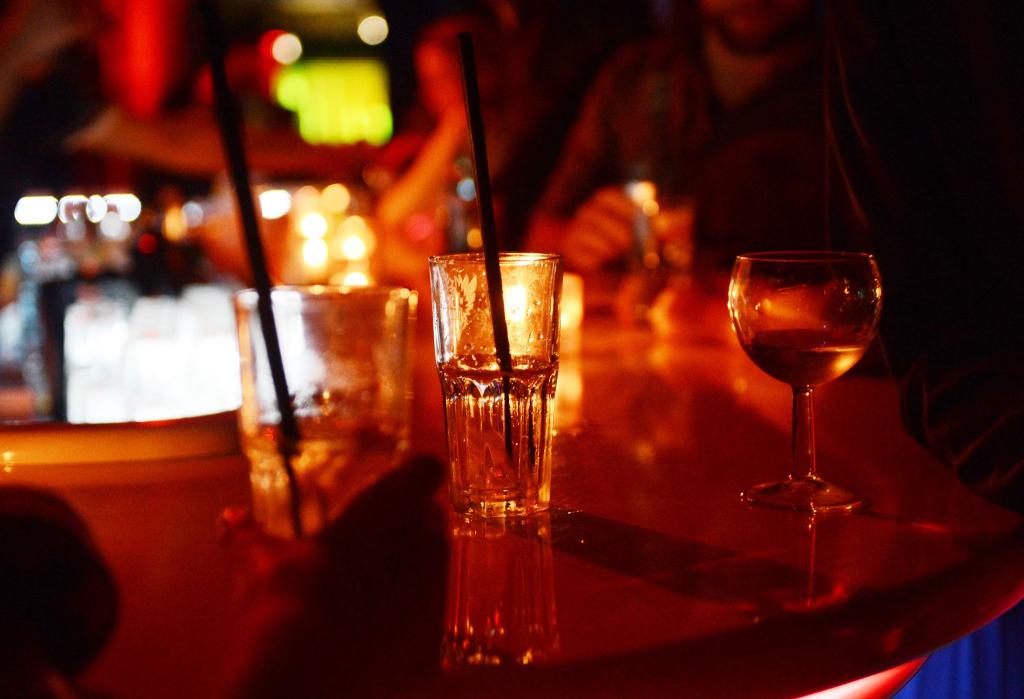
The pervasive influence of social media on young adults is increasingly coming under scrutiny, with emerging research suggesting a link between exposure to alcohol-related content posted by influencers and a heightened desire to consume alcohol. While the relationship between social media and underage drinking has been a concern for some time, new studies are beginning to quantify the impact of influencer marketing on attitudes and behaviors surrounding alcohol consumption. This raises important questions about the responsibility of platforms, influencers, and the potential need for greater regulation of alcohol advertising in the digital space.
The core issue revolves around the normalization of alcohol use through carefully curated online personas. Influencers, often perceived as relatable and aspirational figures, frequently showcase alcohol consumption as part of a desirable lifestyle. This can subtly shape perceptions, particularly among younger audiences who are more susceptible to social influence. The appeal of these influencers lies in their perceived authenticity, making their endorsements – even implicit ones – particularly potent. The question isn’t simply about direct advertising, but the broader cultural impact of seeing alcohol integrated into the daily lives presented online. Understanding the nuances of this influence is crucial for developing effective strategies to mitigate potential harm.
Recent research, originating from Germany, highlights the potential scale of this effect. A study, as reported by various news outlets, indicated that young adults who viewed content featuring influencers consuming alcohol were 73 percent more likely to report an increased desire to drink. This finding underscores the power of observational learning and the potential for social media to act as a catalyst for alcohol-related cravings. While the exact methodology and scope of this particular study require further investigation, it adds to a growing body of evidence suggesting a correlation between social media exposure and alcohol consumption patterns. The study involved approximately 2,000 participants aged 18 to 24, examining their responses to various social media posts, including those featuring alcohol.
The Rise of Digital Alcohol Marketing and its Impact
The shift towards digital marketing has dramatically altered the landscape of alcohol advertising. Traditionally, alcohol companies relied on television, radio, and print media to reach consumers. However, with the rise of social media, they have increasingly turned to influencer marketing as a more targeted and cost-effective strategy. This approach allows brands to bypass traditional advertising regulations and reach specific demographics with tailored messaging. The appeal of influencer marketing lies in its perceived authenticity and ability to generate engagement, making it a powerful tool for shaping consumer behavior. However, this also presents challenges in terms of transparency, and accountability.
The Cambridge Influencers scene, while diverse, reflects this broader trend. Influencers in Cambridge, a city known for its academic institutions and vibrant cultural scene, cover a wide range of content, including lifestyle, wellness, and technology. MyInfluencer.co provides a directory of Cambridge-based influencers, showcasing the diversity of content creators in the region. While not exclusively focused on alcohol, the platform demonstrates the reach and influence of individuals within specific communities. The presence of influencers promoting a particular lifestyle, even indirectly, can contribute to the normalization of alcohol consumption among their followers.
The concern isn’t limited to overt endorsements. Subtle cues, such as an influencer casually enjoying a drink in a social setting, can be just as impactful. These seemingly innocuous depictions can create a sense of social acceptance and desirability around alcohol, particularly for young people who are still forming their attitudes and beliefs. The constant exposure to these images can gradually erode inhibitions and increase the likelihood of experimentation. The algorithmic nature of social media platforms can amplify these effects, as users are often presented with content that aligns with their existing interests and preferences, creating echo chambers that reinforce certain behaviors.
Regulatory Challenges and Potential Solutions
Addressing the potential harms of influencer marketing requires a multi-faceted approach involving regulatory oversight, platform accountability, and media literacy education. Currently, regulations governing alcohol advertising vary significantly across countries and platforms. In many jurisdictions, traditional advertising is subject to strict rules regarding content, placement, and target audience. However, these regulations often do not extend to influencer marketing, creating a loophole that allows brands to circumvent traditional restrictions. The lack of clear guidelines and enforcement mechanisms makes it tricky to hold influencers and brands accountable for misleading or harmful content.
Several countries are beginning to grapple with this issue. For example, the UK’s Advertising Standards Authority (ASA) has issued guidance on influencer marketing, requiring influencers to clearly disclose sponsored content and adhere to advertising standards. The ASA website provides detailed information on these regulations. However, enforcement remains a challenge, particularly given the sheer volume of content being created and shared online. The global nature of social media makes it difficult to regulate cross-border advertising.
Platforms themselves also have a role to play. Social media companies could implement stricter policies regarding alcohol-related content, including age verification measures, content moderation, and restrictions on targeted advertising. They could also provide influencers with training on responsible marketing practices and require them to disclose any financial relationships with alcohol brands. However, platforms have historically been reluctant to grab strong action, citing concerns about free speech and potential revenue losses. Striking a balance between protecting users and preserving platform autonomy remains a key challenge.
The Role of Media Literacy
Beyond regulation and platform accountability, media literacy education is crucial for empowering young people to critically evaluate the content they encounter online. By teaching students how to identify persuasive techniques, recognize sponsored content, and understand the potential biases of influencers, You can equip them with the skills they need to create informed decisions about alcohol consumption. Media literacy programs should be integrated into school curricula and made available to parents and educators. Public health campaigns can raise awareness about the risks of alcohol abuse and the influence of social media on attitudes and behaviors.
The Canadian landscape also presents opportunities for intervention. Collabstr lists over 531 influencers in Canada, including those based in New Brunswick, highlighting the potential reach of influencer marketing in the region. While specific data on alcohol-related influencer content in New Brunswick is limited, the broader trend suggests a need for increased awareness and regulation. Reddit discussions, as noted in a thread on r/newbrunswickcanada, also indicate a public interest in identifying local influencers, suggesting a potential avenue for community-based interventions.
The issue extends beyond simply preventing underage drinking. Even for adults, the constant exposure to idealized portrayals of alcohol consumption can contribute to unhealthy drinking habits and exacerbate existing problems. The normalization of binge drinking and the glamorization of alcohol-fueled lifestyles can create a culture of excess and undermine public health efforts. Addressing this requires a broader societal conversation about our relationship with alcohol and the role of social media in shaping our perceptions.
Looking Ahead: Monitoring and Further Research
The relationship between social media influencers and alcohol consumption is a complex and evolving issue. Ongoing research is needed to better understand the mechanisms through which influencers impact attitudes and behaviors, and to evaluate the effectiveness of different intervention strategies. This research should focus on identifying the specific types of content that are most influential, the demographics that are most vulnerable, and the best ways to counter the harmful effects of alcohol advertising. It is important to monitor the evolving landscape of social media and adapt regulatory frameworks accordingly.
The next step in addressing this issue will likely involve increased scrutiny from regulatory bodies and a growing demand for transparency from social media platforms. The potential for stricter regulations on influencer marketing, particularly in the alcohol industry, is increasing. Consumers are also becoming more aware of the persuasive tactics used by influencers, and are demanding greater authenticity and accountability. This shift in public opinion could further incentivize platforms and brands to adopt more responsible marketing practices. Continued monitoring of these developments will be crucial for informing policy decisions and protecting public health.
The conversation surrounding influencer marketing and alcohol consumption is just beginning. By fostering open dialogue, promoting media literacy, and implementing effective regulations, we can mitigate the potential harms and create a healthier digital environment for all. We encourage readers to share their thoughts and experiences in the comments below.
Keep reading
- Astronomers Detect Sugar Molecule Erythrulose in Milky Way Molecular Cloud
- China’s AI-Powered MAZU System Enhances Pakistan’s Weather Forecasting
- Social Jet Lag, Explained: Why Weekends Wreck Your Sleep (daybreakwire.com)
- Missouri Attorney General Faces Conflict of Interest Amid Prosecutor’s Secret Affairs (archynewsy.com)