
Advocacy groups are increasingly turning to digital mobilization to secure public services that are accessible, dignified, and geographically close to all citizens. The push for “services publics accessibles, dignes et proches de tous” reflects a growing movement to counteract the digital divide and the centralization of administrative functions, which critics argue marginalizes vulnerable populations. As public sector digitization accelerates globally, the debate centers on balancing technological efficiency with the fundamental right to human-centric service delivery.
According to the Organization for Economic Cooperation and Development (OECD), digital government initiatives aim to enhance transparency and efficiency, yet they often inadvertently exclude citizens who lack high-speed internet access or digital literacy skills. This tension has prompted grassroots organizers to launch petitions and social media campaigns, urging governments to maintain physical service points, such as post offices, medical clinics, and tax offices, particularly in rural or economically disadvantaged areas.
The Impact of Digitization on Public Access
The transition toward “e-government” models has fundamentally changed how citizens interact with the state. While online portals offer 24/7 availability for routine tasks, they also create barriers for approximately 15% to 20% of the population in developed nations who face digital exclusion, as reported by the International Telecommunication Union (ITU) in their 2023 Facts and Figures report. When physical offices close, the burden of travel often falls on the most vulnerable, including the elderly and those with limited mobility.

Advocates argue that “dignified” service requires a human element that algorithms cannot replicate. Decisions regarding social benefits, complex legal filings, or health consultations often require nuanced understanding and empathy. The loss of face-to-face interaction is frequently cited by civil society organizations as a primary driver of the current push for more accessible public infrastructure. These groups emphasize that public service is not merely a transactional process but a cornerstone of social cohesion.
Grassroots Mobilization and Digital Advocacy
Social media platforms have become the primary tools for organizing these demands. Petitions shared via Facebook, Messenger, and other networks allow local concerns to gain national visibility quickly. By aggregating individual experiences of service failure—such as long wait times, inaccessible websites, or the closure of local branches—these campaigns build a collective narrative that demands policy shifts from local and national authorities.
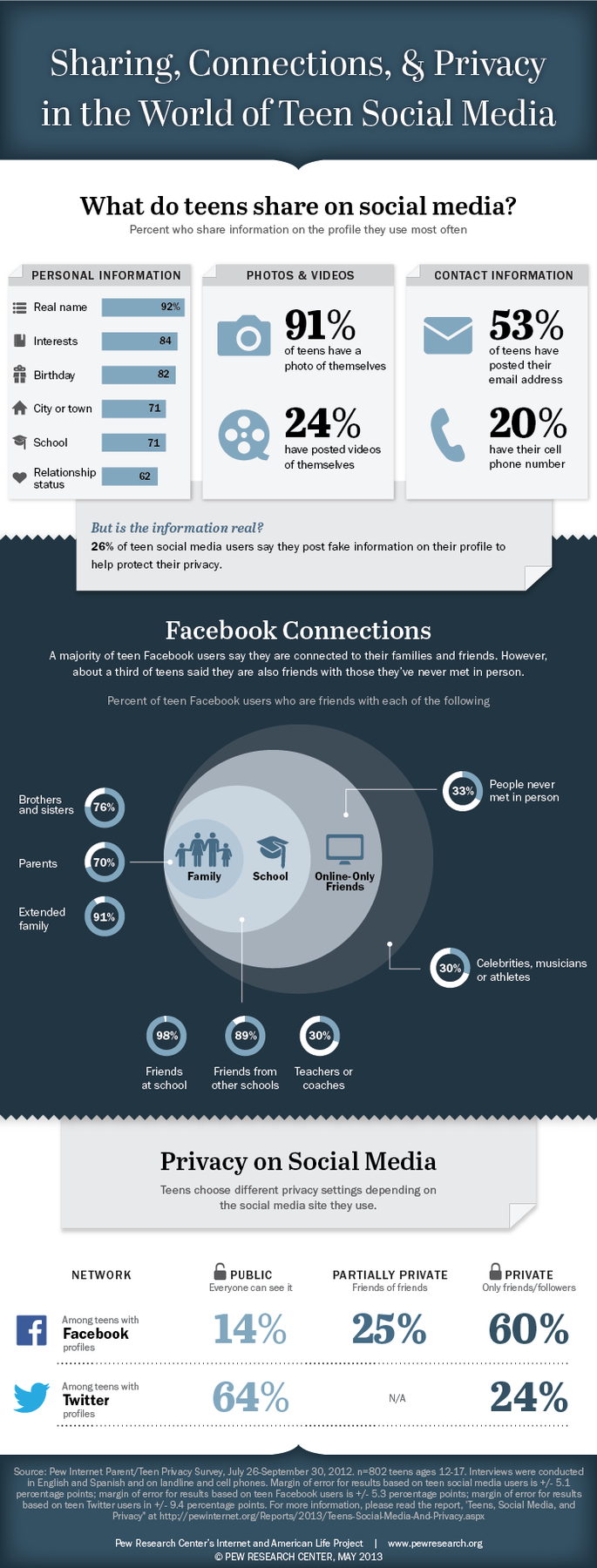
The effectiveness of these petitions often depends on their ability to translate individual grievances into formal policy proposals. Research from the Pew Research Center indicates that while digital activism succeeds in raising awareness, sustained policy change requires engagement with formal administrative channels and legislative bodies. Organizers are currently focused on presenting these petitions to regional councils and government ministries to mandate the preservation of “proximity services.”
Balancing Efficiency and Equity
Policymakers face a complex trade-off between fiscal responsibility and social equity. Centralizing services into fewer, highly digitized hubs can significantly reduce operational costs for government agencies. However, this strategy often ignores the hidden costs borne by citizens, such as increased travel time and the psychological stress of navigating complex digital-only systems.
Comparative studies by the World Bank suggest that the most successful digital transformation projects are those that adopt a “hybrid approach.” This model maintains a strong physical presence for essential services while offering digital tools as an optional convenience rather than a mandatory requirement. This strategy ensures that the digital divide does not become a permanent barrier to civic participation.
Future Outlook for Public Service Delivery
The next major checkpoint for these advocacy efforts involves the upcoming budgetary reviews in various regional governments, where funding for physical service centers is typically debated. Citizens looking to track the status of their local service infrastructure can consult their national government’s official transparency portals or the websites of their regional administrative councils. These platforms often list upcoming public hearings and opportunities for citizen feedback on service restructuring plans.

As these digital campaigns continue to gain momentum, the pressure on officials to justify the closure of local offices is expected to increase. Sustained dialogue between government agencies and the public remains essential to ensuring that technological progress does not come at the expense of accessibility. Readers are encouraged to monitor their local administrative news and participate in upcoming town hall sessions to ensure their voices are heard in the ongoing debate over the future of public services.
Worth a look
- Overwatch New Tank Hero D.Mon Gameplay Trailer: Plasma Saber & Power Barrier Revealed
- Circle’s Cross-Chain Protocol: Enabling Seamless USDC Transfers
- Google Updates Gemini for Wear OS With New Redesigned Overlay Interface (archyworldys.com)
- Houston vs. Austin: Media Market Data Analytics Comparison (archynewsy.com)