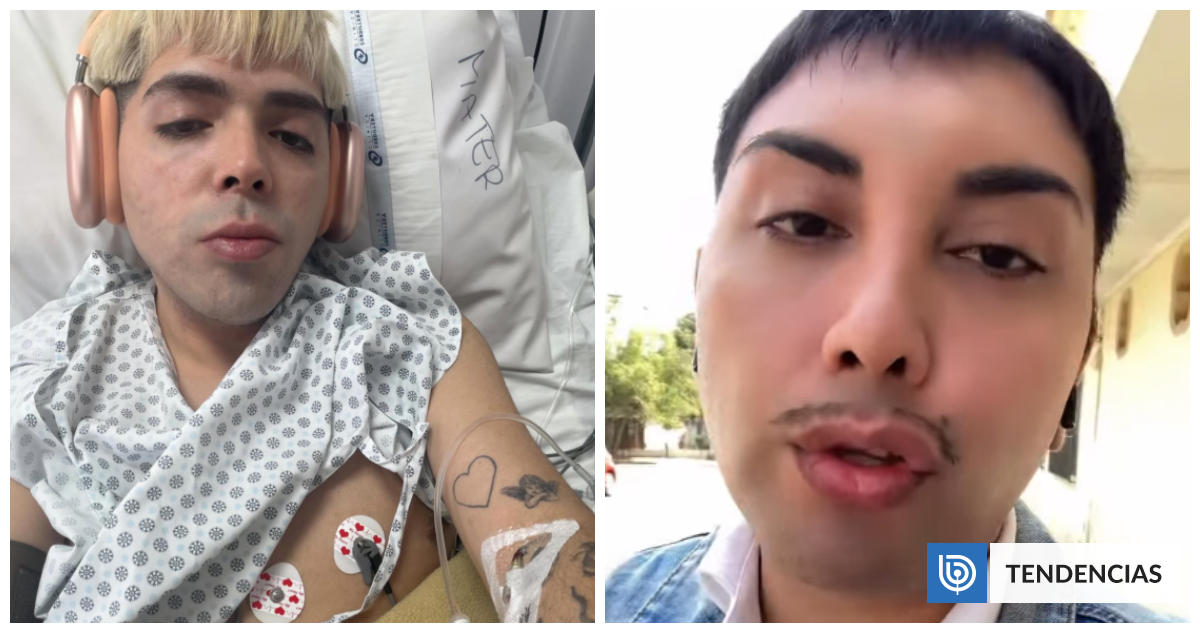
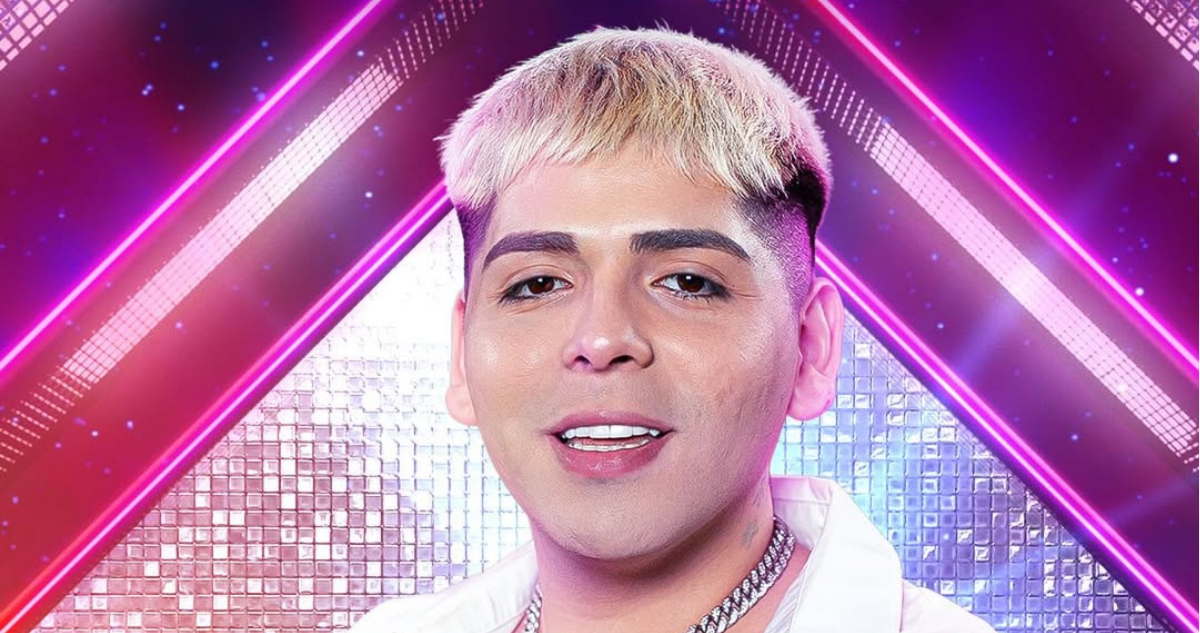
Social media personality Diego Pánico has publicly criticized former television participant Erick Manosalva, known as “Lelo,” following comments made by Manosalva regarding Pánico’s recent health crisis. The dispute centers on Manosalva’s public remarks concerning Pánico’s diagnosis of deep vein thrombosis, which Pánico characterized as an insensitive use of his personal medical situation.
The incident highlights the ongoing tensions between digital content creators and former reality television figures, often played out in the public eye. According to public statements shared via social media, Pánico expressed frustration that his medical condition was being discussed in a disparaging or speculative manner by a third party. The situation has prompted a broader discussion on the boundaries of public discourse regarding private health information.
Public Statements and the Medical Context
The conflict began after Erick Manosalva made remarks about Diego Pánico’s health status. Pánico, who has documented his recovery process on digital platforms, took to his own channels to address the comments directly. He stated, “Qué feo que usen mi enfermedad” (How ugly that they use my illness), emphasizing that his diagnosis was a serious medical event that should not be subject to public mockery or exploitation for engagement.
Deep vein thrombosis (DVT) is a serious medical condition that occurs when a blood clot forms in one or more of the deep veins in the body, usually in the legs. According to the Mayo Clinic, DVT can cause leg pain or swelling and can lead to complications if the clot breaks loose and travels to the lungs, a condition known as a pulmonary embolism. Medical professionals consistently advise that such diagnoses require immediate clinical management and monitoring.
Public Discourse and Boundaries
The exchange between the two figures illustrates the complexities of navigating personal health crises while maintaining a public-facing digital profile. For individuals with significant followings, the line between private medical information and public content often blurs. In this instance, Pánico asserted that his health journey was not intended as fodder for public debate.
Observers of media culture have noted that the use of personal health struggles in celebrity feuds remains a contentious issue. When public figures engage in such rhetoric, it often triggers backlash from audiences who prioritize the privacy and dignity of the individual experiencing the health event. The American Psychological Association has frequently noted how social media interactions can intensify interpersonal conflicts, often leading to rapid escalations of public sentiment.
Understanding the Community Response
The reaction from followers of both individuals has been polarized, reflecting the often-divisive nature of social media commentary. Many users have defended Pánico’s right to keep his medical recovery private, while others have debated the original intent behind Manosalva’s statements. This incident serves as a case study for the risks associated with commenting on the health of others without direct knowledge of their medical circumstances.
As of this reporting, there have been no further official statements from either party regarding potential reconciliations or legal actions. For those interested in the broader implications of health privacy in the digital age, organizations such as the World Health Organization provide resources on the importance of digital health literacy and the ethical treatment of medical information in online spaces.
Next Steps for Public Updates
While the immediate public exchange has subsided, the situation remains a point of interest for followers of digital personality news. Any further developments, including potential public apologies or shifts in the relationship between these two figures, are expected to be shared directly via their respective social media channels. Readers are encouraged to monitor verified social media accounts for any further updates from the involved parties. We welcome your thoughts on how digital boundaries should be maintained regarding personal health—please share your perspective in the comments section below.
Related reading