
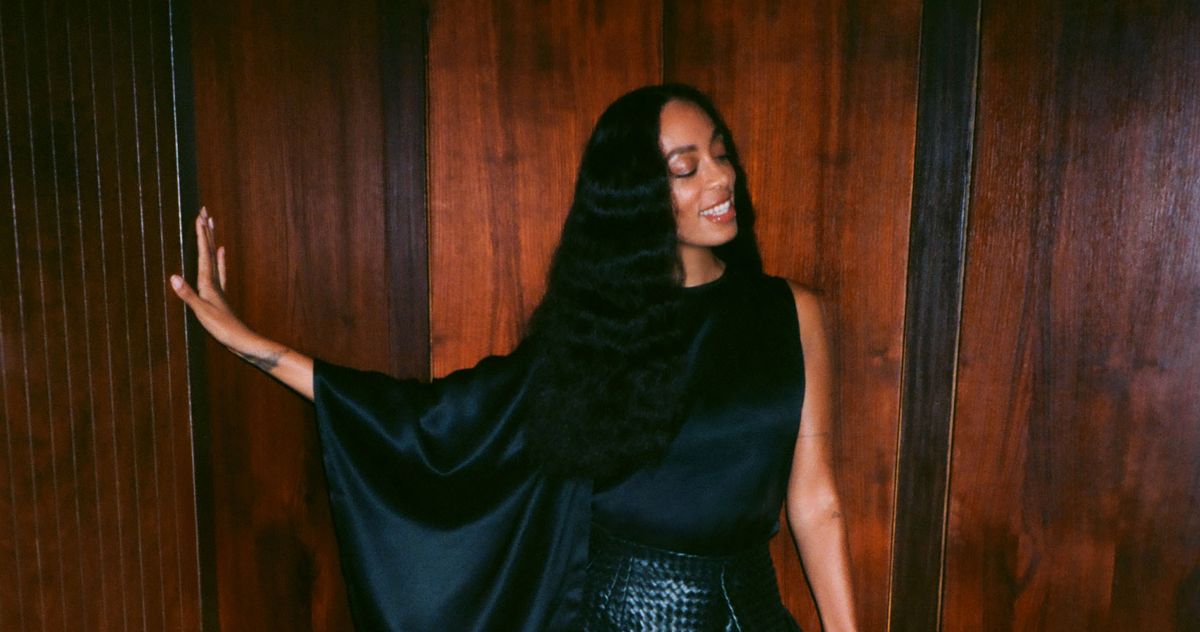
Solange Knowles’ critically acclaimed third studio album, A Seat at the Table, solidified its place in modern music history following its wide release on September 30, 2016. Nearly a decade later, the project remains a definitive study on the intersection of personal identity, cultural heritage, and the necessity of finding a supportive community in the public eye. According to Billboard, the album debuted at number one on the Billboard 200 chart, marking the artist’s first chart-topping record and signaling a significant shift in how audiences engaged with her independent creative vision.
The Evolution of a Creative Vision
The development of A Seat at the Table represented a departure from Solange’s earlier pop-leaning efforts, moving toward a soundscape rooted in R&B, neo-soul, and funk. Released through her own label, Saint Records, the album was documented as a deeply collaborative effort that featured contributions from Raphael Saadiq, Q-Tip, and Master P. As noted in a report by The Guardian, the songwriting process was heavily influenced by the artist’s desire to process her experiences with systemic racism and the complexities of being a Black woman in the creative industry. By centering the voices of her family, including her parents, Tina Knowles-Lawson and Mathew Knowles, Solange provided a narrative framework that extended beyond standard celebrity autobiography.
Building a Community Through Art
A central theme of the album is the concept of a “seat at the table”—a metaphor for inclusion and the reclamation of space. This thematic focus resonated with critics and listeners alike, leading to widespread cultural discourse regarding the importance of safe spaces for marginalized voices. The album’s success allowed Solange to cultivate a community that spans music, visual arts, and fashion. Her subsequent work, including the 2019 follow-up When I Get Home, continued to leverage these collaborative relationships. According to NPR, the project was praised for its “dignity” and its ability to act as a bridge between intimate personal reflection and broad sociopolitical commentary.
Industry Impact and Legacy
The commercial and critical reception of the album served as a catalyst for Solange’s expanded influence in the arts. In 2017, she received the Billboard Women in Music Impact Award, recognizing her contributions to the industry and her advocacy for creative autonomy. The album’s legacy is further evidenced by its enduring presence on streaming platforms and academic discussions regarding 21st-century protest music. The Recording Academy recognized the project’s impact when the single “Cranes in the Sky” won the Grammy Award for Best R&B Performance in 2017, marking a high point in the artist’s discography.

Current and Future Projects
While Solange has transitioned toward multidisciplinary art installations and performance pieces in recent years, the foundation laid by A Seat at the Table remains central to her public identity. Fans and industry observers continue to look for updates regarding her next major musical project, though no official release date or title has been confirmed by her representatives. The artist maintains an active presence in the art world, frequently collaborating with institutions like the Tate Modern and the Getty Museum to explore themes of movement and architecture. Readers interested in the latest updates regarding her exhibitions or future audio projects can monitor her official social media channels or the Saint Records website for verified announcements.
What are your memories of listening to A Seat at the Table? Share your thoughts in the comments section below to join the ongoing conversation about this landmark record.