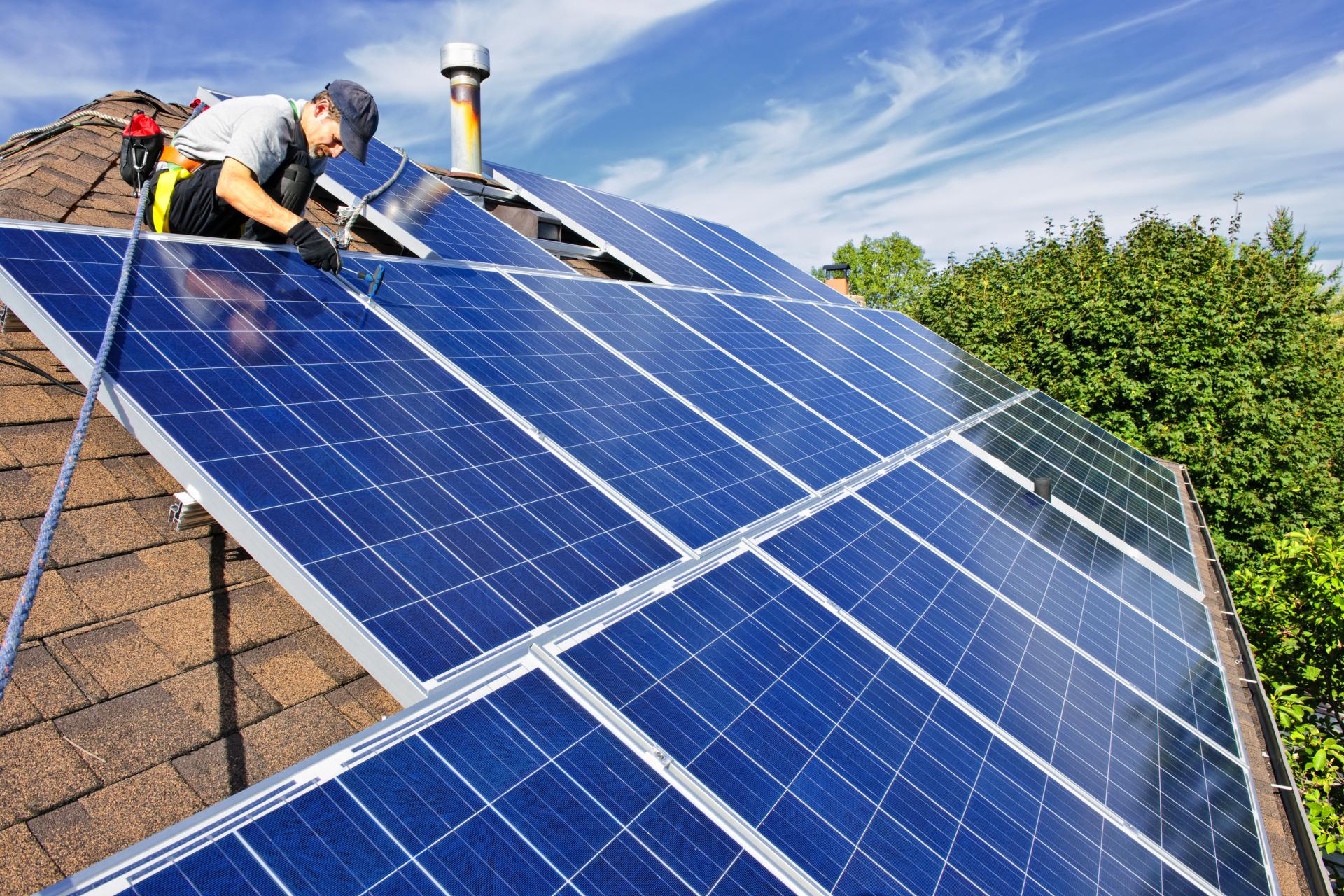
Many Slovak households that invested in residential photovoltaic systems in recent years are currently facing significant financial losses, as shifting market conditions and regulatory changes have complicated the expected return on investment. Despite these setbacks, a new wave of interest is building among consumers seeking rapid financial gains through emerging energy-related financial products and renewed interest in renewable energy assets, according to recent market analysis from the Slovak economic sector.
The economic reality of solar energy installations in Slovakia has proven more volatile than many early adopters anticipated. According to data monitored by the Slovak Association of Photovoltaic Industry and Renewable Energy (SAPI), the initial promise of short-term profitability was frequently undermined by fluctuating electricity prices and complex grid connection requirements. While some households achieved energy independence, the anticipated “quick profit” models marketed by various contractors often failed to account for long-term maintenance costs and the degradation of hardware efficiency, which can impact net financial returns over a 10 to 15-year horizon.
Market Realities and Investment Risks
The financial landscape for solar energy in Slovakia is governed by regulations set by the Regulatory Office for Network Industries (ÚRSO). According to official statements from the regulator, electricity tariffs and feed-in premiums are subject to periodic adjustments that can significantly alter the business case for residential solar installations. Homeowners who invested during periods of high electricity prices often found their financial models disrupted when wholesale energy prices stabilized or declined, extending the time required to break even on their initial capital expenditure.
Financial analysts point to a disconnect between the marketing claims used to sell residential solar solutions and the actual performance metrics observed in the field. Many consumers were incentivized by state-sponsored subsidy programs, such as the “Green to Households” (Zelená domácnostiam) initiative managed by the Slovak Innovation and Energy Agency (SIEA). While these subsidies lowered the barrier to entry, the total cost of ownership—including inverter replacements and administrative fees—remained a burden for many small-scale producers. The SIEA provides updated guidelines on eligible installations and subsidy disbursement schedules via their official portal at siea.sk.
The Shift Toward New Energy Products
Despite the cooling sentiment toward residential solar as a “get-rich-quick” scheme, there is a noted surge in interest toward broader energy-sector investments. Financial institutions in the region have observed that retail investors are increasingly moving capital into energy-focused mutual funds and green bonds. This pivot represents a transition from direct asset ownership—which requires active management and technical maintenance—to passive investment in large-scale infrastructure projects that benefit from economies of scale.
This shift is not without its own risks. Financial authorities, including the National Bank of Slovakia (NBS), have consistently warned investors about the potential for high-risk, high-reward schemes that lack transparency. The NBS maintains a list of entities authorized to provide investment services, which can be verified through their public registry at nbs.sk. Investors are encouraged to scrutinize the underlying assets of any energy-related financial product before committing funds, particularly those promising guaranteed returns in the volatile renewable energy market.
Regulatory Oversight and Future Outlook
Looking ahead, the stability of the energy market in Slovakia will depend heavily on the integration of smart grid technologies and updated legislation regarding energy storage. The Ministry of Economy of the Slovak Republic continues to work on framework adjustments to better accommodate decentralized energy production. Official policy documents and upcoming legislative changes affecting the energy sector are regularly published on the ministry’s website at mhsr.sk.
For those currently managing underperforming solar assets, the focus has shifted toward optimization and energy efficiency rather than immediate profit. Experts suggest that households should prioritize self-consumption of generated electricity to mitigate the impact of grid-export limitations. As the market matures, the emphasis is moving away from speculative gains and toward long-term utility, reflecting a broader European trend of stabilizing renewable energy incentives to ensure the sustainability of the national power grid.
The next major update regarding energy sector subsidies and regulatory adjustments is expected following the upcoming quarterly review by the Ministry of Economy. Residents and investors are advised to monitor official government portals for announcements regarding new policy frameworks that may impact existing and future energy investments. We invite our readers to share their experiences with residential energy investments in the comments section below.