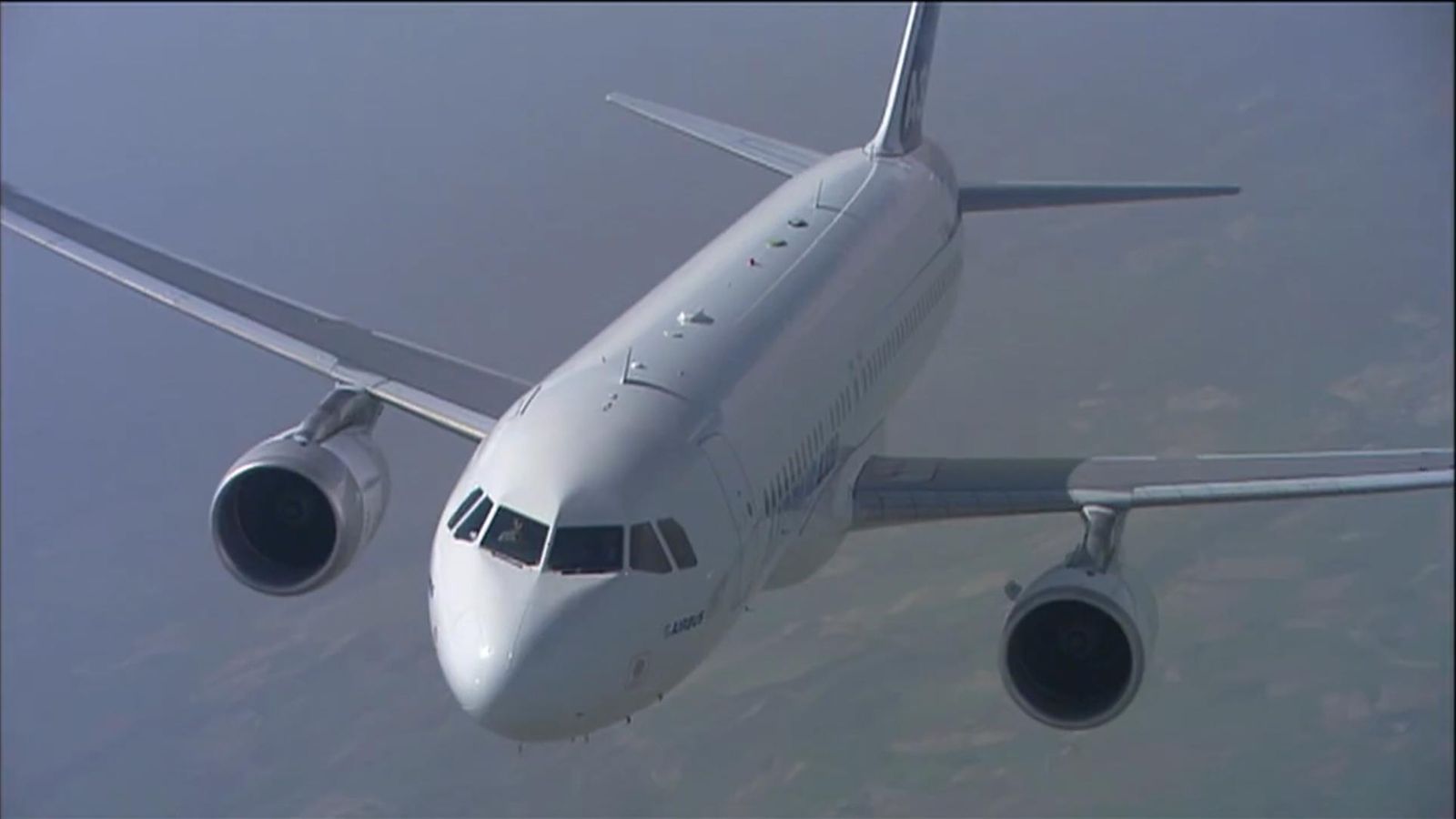
Airbus A320 Software Issue Grounds Flights: What You Need to Know
A critical software issue affecting Airbus A320 aircraft has led to disruptions for travelers worldwide. Several airlines are currently grounding planes to implement a necessary fix,raising questions about safety and potential delays.Here’s a comprehensive breakdown of the situation, what’s causing it, and what you can expect.
What’s Happening?
Currently,a flaw has been identified in the flight control system of numerous Airbus A320 family aircraft. This issue stems from the ELAC (elevator and Aileron Computer), a vital component responsible for translating pilot commands into movements of the aircraft’s elevators. These elevators control the plane’s pitch, or nose angle, and are crucial for maintaining stable flight.
the Core of the Problem
The issue centers around a potential loss of redundancy in the flight control system.Specifically, the software update in question could, under certain circumstances, lead to a single point of failure. while the likelihood of this occurring is considered low, aviation authorities prioritize safety above all else.
What is the Fix?
Airbus has issued a bulletin to airlines outlining the necessary corrective action. The primary solution involves reverting to a previous, stable software version. Fortunately, for the majority of affected aircraft, this update is relatively straightforward.
* Most Aircraft: The software rollback is expected to take between two to three hours per plane.
* Some Aircraft: A smaller number of jets may require hardware replacement to accommodate the older software. This process will naturally take longer.
Is Your Flight Affected?
If you are scheduled to fly on an Airbus A320, it’s prudent to check with your airline for potential disruptions. Airlines are working diligently to minimize the impact on passengers, but delays and cancellations are possible.
Expert Viewpoint: Assessing the Risk
While the situation is understandably concerning, experts emphasize that the risk of a serious incident is low. aviation safety protocols are designed to identify and address potential threats proactively.
Here’s what you should keep in mind:
* Aviation remains an incredibly safe mode of transportation.
* Immediate action is taken whenever a potential safety issue is identified.
* Redundancy is a cornerstone of aircraft design, and this issue impacts a specific software function.
A Historical Context
This situation inevitably draws comparisons to the grounding of the Boeing 737 MAX. though,it’s critically important to note key differences. The 737 MAX grounding stemmed from a fundamentally flawed flight control system that directly contributed to fatal crashes. The current Airbus issue, while serious, is a software glitch with a known fix and a lower probability of causing a catastrophic event.
Looking Ahead
Airlines are prioritizing the swift implementation of the software update. you can expect increased scrutiny of aircraft maintenance procedures and a continued focus on safety across the aviation industry. As the updates are rolled out, flight schedules should return to normal.
Stay Informed
For the latest updates, it’s best to consult your airline directly or monitor official aviation news sources. Remember, safety is the top priority, and the industry is working to resolve this issue efficiently and effectively.