Somalia Faces Escalating Drought Emergency: A Looming Humanitarian Crisis
Somalia is grappling with a rapidly worsening drought, prompting the Federal Government to formally declare a national emergency on November 10th and issue an urgent appeal for international assistance. The situation, impacting northern, central, and southern regions, demands immediate attention to avert a large-scale humanitarian disaster. This isn’t simply a weather event; it’s a complex crisis unfolding within an already fragile context, threatening the lives and livelihoods of millions.
The Severity of the Situation: A Region on the Brink
The impact is notably acute in Puntland, where an estimated one million people are now in need of support. Within that number, a staggering 130,000 individuals are facing immediate, life-threatening conditions. Recent assessments conducted by the UN in the Bari and Nugaal regions paint a grim picture: communities are battling severe shortages of both water and food, with residents voicing fears of a catastrophic outcome in the coming months.
“We have not received rain as last year; this is the worst drought in years,” explains Abdiqani Osman Omar, the mayor of Shaxda village in Bari region. His words underscore the desperation felt on the ground. The village is overwhelmed, having absorbed hundreds of displaced families over the past three months - primarily women and children – as men venture into neighboring Ethiopia in a desperate search for pasture and water for their livestock. Critically, even the host communities lack the resources to adequately support the influx of those displaced.
A Landscape Transformed: Dried Wells and Abandoned Homes
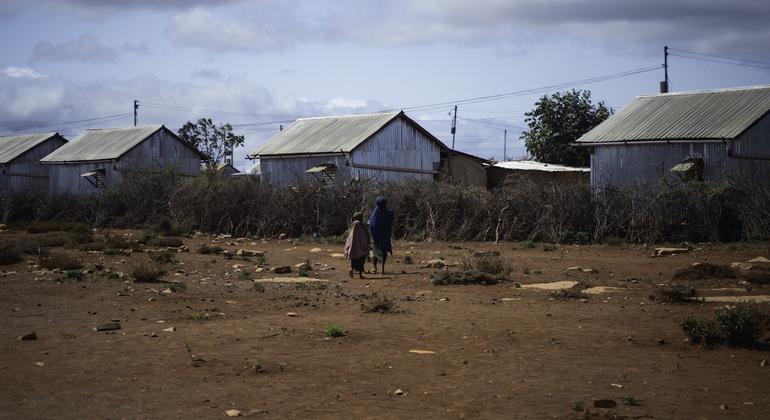
The drought’s impact is visible across the landscape. Water sources are drying up, vegetation is withering, and pastoral settlements – once vibrant hubs of community life – are being abandoned. In Dhaxan town, a brief respite during the gu rainy season (april-June) proved fleeting. Residents now rely on costly water deliveries after the local borehole became contaminated. Jama Abshir Hersi, a community leader in Dhaxan, highlights a concerning trend: “We used to receive food, nutrition assistance, and medical supplies for our health unit.All that assistance has dwindled.” This reduction in aid is exacerbating an already dire situation.
Funding Gaps Hamper Response Efforts
The ability to respond effectively is severely constrained by critical funding shortfalls. As of November 23rd, Somalia’s 2025 Humanitarian Response Plan is only 23.7% funded. This lack of resources has forced drastic cuts in essential assistance programs. The number of people receiving emergency food aid has plummeted from 1.1 million in August to just 350,000 this month – a reduction that will undoubtedly have devastating consequences. The impact extends to vital health services, with 89 supplementary feeding sites and 198 health and stabilization centers in Puntland alone facing critical supply shortages.
Widespread Hunger and Malnutrition
The drought is unfolding against a backdrop of pre-existing food insecurity.Currently, at least 4.4 million people are projected to experience acute food insecurity through December. alarmingly,1.85 million children under five are expected to suffer from acute malnutrition by mid-2026.These figures aren’t just statistics; they represent real children facing life-threatening conditions.
A Bleak Outlook: What the Forecast Holds
Unfortunately, the short-term forecast offers little hope. The UN Food and Agriculture Organization (FAO) warns that dry and hot conditions are expected to persist across most of Somalia, particularly in the central and northern regions. As the FAO report indicates, “The prevailing high temperatures and poor rain are likely to exacerbate water stress and limit pasture regeneration in most areas.” this means the situation is likely to deteriorate further, placing even greater strain on already vulnerable communities.
Addressing the Crisis: A Call for Urgent Action
The situation in Somalia demands a coordinated and sustained response. Increased international funding is paramount to ensure that aid organizations can deliver life-saving assistance. Beyond immediate relief, long-term solutions are needed to build resilience to future droughts, including investments in water management, enduring agriculture, and livelihood diversification.
This crisis is a stark reminder of the devastating impact of climate change and the urgent need for global cooperation to support vulnerable communities on the front lines. The world cannot afford to ignore the plight of the Somali people.
Keep reading