Sony, Microsoft, and Nintendo are navigating the modern video game industry through starkly divergent hardware and software strategies, leaving the three longtime rivals further apart in business model and market approach than at any point in gaming history. According to industry analyses and corporate financial disclosures, each company has carved out a distinct competitive lane, abandoning the traditional, direct console-war parity of past decades.
Sony Interactive Entertainment continues to anchor its business on high-budget, narrative-driven blockbuster cinematic games and traditional dedicated hardware with the PlayStation 5. Microsoft has systematically pivoted Xbox from a pure console box ecosystem into a multi-platform service provider anchored by Xbox Game Pass, cloud streaming, and cross-device software availability. Nintendo, meanwhile, relies on proprietary, family-friendly intellectual property and unique hybrid hardware concepts that deliberately sidestep raw processing power races.
This widening strategic gap reshapes how global consumers purchase hardware, access software libraries, and experience interactive entertainment. Rather than competing directly for the exact same consumer segment in every market tier, the Big Three now target fundamentally different pillars of the global technology and entertainment economy.
Sony Focuses on Cinematic Prestige and Hardware Iteration
Sony’s primary strategic engine remains the PlayStation hardware ecosystem paired with globally recognized first-party studio franchises. According to corporate financial reports issued by Sony Group Corporation, the company prioritizes high-end graphical fidelity, immersive peripheral integration such as the PlayStation VR2 and DualSense controllers, and cinematic single-player experiences developed by studios like Naughty Dog, Insomniac Games, and Santa Monica Studio.
Rather than adopting a day-and-date subscription launch model for its biggest tentpole releases, Sony maintains a traditional window of exclusivity for PlayStation hardware before occasionally expanding select titles to PC months or years later. This model relies heavily on consumer desire for premium living room hardware performance. The company released the PlayStation 5 Pro in late 2024 to capture high-end enthusiasts seeking enhanced ray tracing and higher frame rates without waiting for a generational turnover.
Industry observers note that this approach carries high financial stakes. Developing AAA cinematic blockbusters often requires budgets exceeding two hundred million dollars and development cycles lasting five years or more. Consequently, Sony faces mounting pressure to protect operating margins by expanding its reach into live-service titles and PC ports, even as core single-player adventures remain the brand’s defining identity.
Microsoft Redefines Xbox as a Ubiquitous Software Service
Microsoft has executed one of the most radical transformations in corporate gaming history by shifting the core identity of Xbox away from a dedicated console requirement. Through the expansion of Xbox Game Pass, cloud gaming infrastructure, and multi-platform publishing initiatives, Microsoft aims to reach players on Windows PCs, mobile phones, smart televisions, and competing consoles.
Financial disclosures from Microsoft’s Gaming division underscore the financial weight of this strategy, accelerated by the multi-billion-dollar acquisition of Activision Blizzard King finalized in October 2023. By bringing massive franchises like Call of Duty, Diablo, and World of Warcraft into its ecosystem—and frequently launching titles directly into subscription services—Microsoft prioritizes active user engagement and recurring subscription revenue over traditional console unit sales.
This strategy involves significant trade-offs. While software and service revenues have reached record highs, hardware sales for Xbox Series X and S consoles have experienced declines relative to competitors in several key international markets. Leadership at Microsoft Gaming, including CEO Phil Spencer, has repeatedly emphasized that success is no longer measured solely by units of hardware placed under living room televisions, but by total hours played across all screens.
Nintendo Prospers on Proprietary Hardware and IP Independence
Nintendo continues to operate on a distinct economic and creative trajectory, largely insulated from the graphical arms race dictating the strategies of Sony and Microsoft. Relying on unique hardware form factors—most notably the hybrid home-and-portable design of the Nintendo Switch—the company focuses on localized gameplay loops, couch multiplayer, and globally beloved intellectual property including Mario, The Legend of Zelda, and Pokémon.
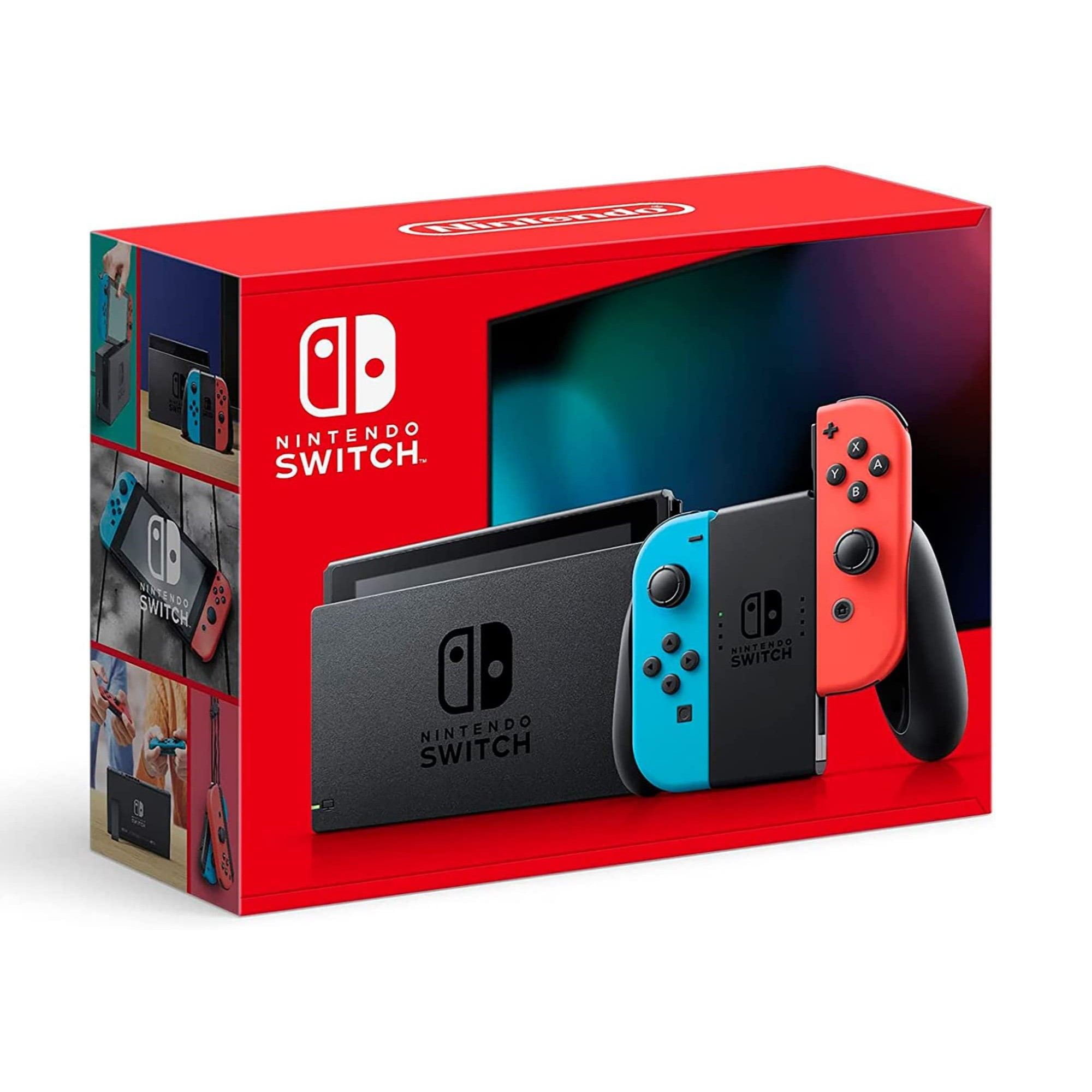
Financial results released by Nintendo demonstrate the enduring commercial viability of this approach, with the Nintendo Switch ranking among the best-selling video game systems in history since its March 2017 launch. Nintendo’s business model relies heavily on software attachment rates for first-party titles, which traditionally retain their retail value much longer than competing software across PlayStation and Xbox ecosystems.
As industry analysts monitor preparations for Nintendo’s eventual hardware successor, the company maintains its philosophy of utilizing accessible, iteration-tested technology rather than chasing bleeding-edge processing power. This allows Nintendo to maintain healthy hardware manufacturing margins throughout a console’s lifecycle while keeping development budgets manageable compared to contemporary cinematic blockbusters.
Strategic Divergence and Market Implications
The divergence among Sony, Microsoft, and Nintendo changes the calculus for third-party publishers, indie developers, and everyday players alike. Software creators must now optimize titles for vastly different technical specifications and distribution models, ranging from high-performance console patches to cloud-streamed mobile feeds and scalable handheld architectures.
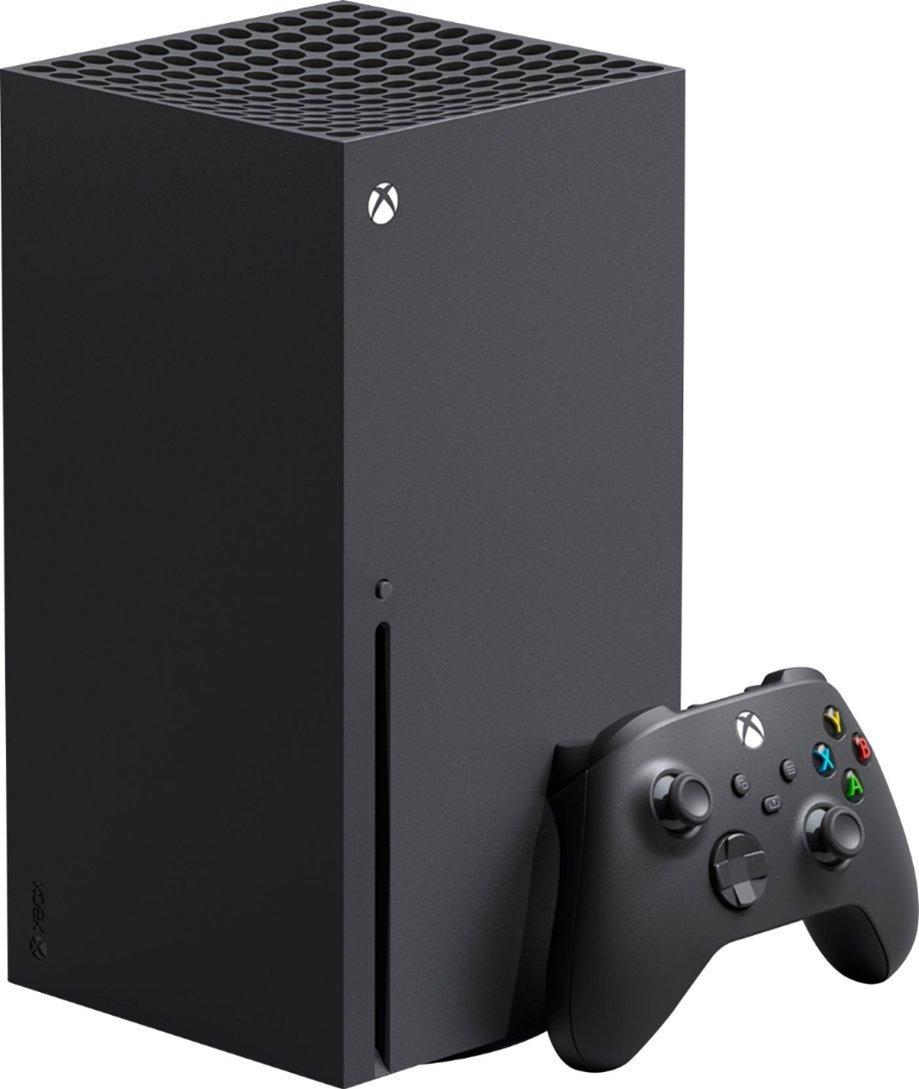
For consumers, the traditional dilemma of choosing a single plastic box to access all of gaming has dissolved. Players increasingly select ecosystems based on specific preferences: high-end cinematic immersion on PlayStation, maximum value and cross-platform flexibility through Xbox Game Pass, or portable family entertainment and exclusive franchises on Nintendo hardware.
As each company pursues its distinct blueprint, the global gaming market reflects a fragmented yet dynamic landscape where three distinct business philosophies coexist, compete, and redefine what it means to be a video game platform holder.
Worth a look