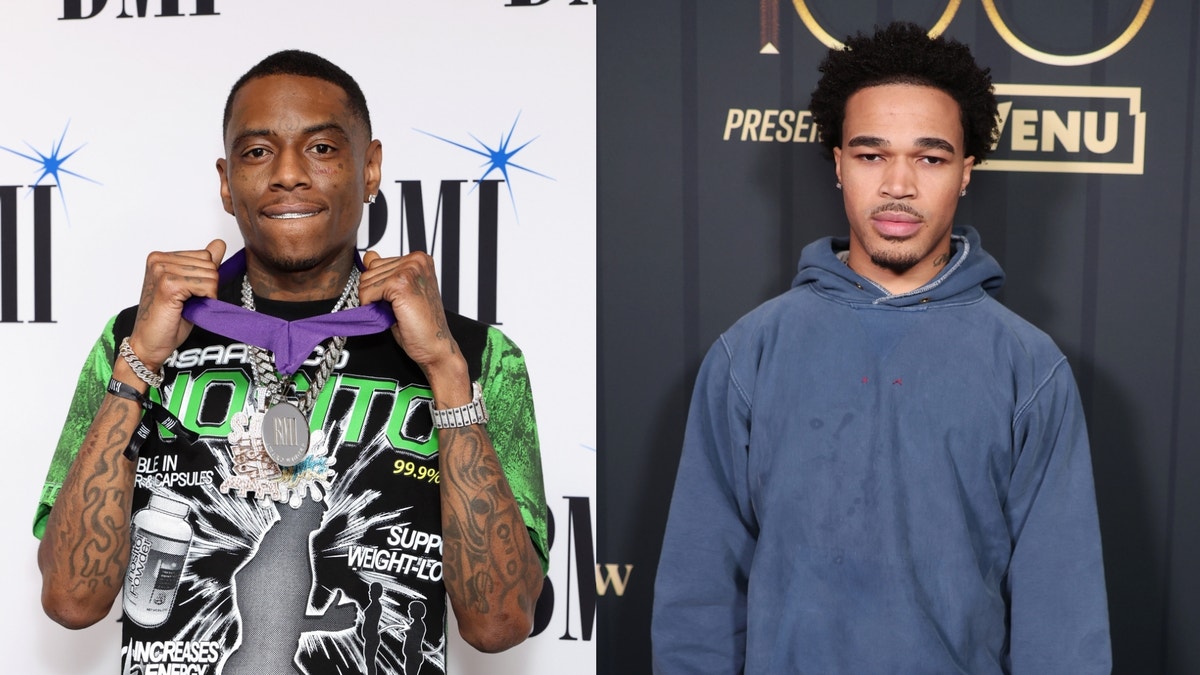
The question of who first bridged the gap between music and livestreaming has resurfaced, sparking a playful debate between rapper Soulja Boy and rising artist PlaqueBoyMax. The exchange, which unfolded on social media platform X (formerly Twitter), centers on the assertion by PlaqueBoyMax that he was the “first streamer ever nominated for a Grammy.” Soulja Boy quickly countered, pointing to his own Grammy nomination in 2008 and his pioneering use of early livestreaming platforms. This seemingly lighthearted disagreement highlights a broader conversation about the evolution of digital music and the often-overlooked contributions of early adopters like Soulja Boy.
The initial exchange began on February 1, 2026, when PlaqueBoyMax posted a claim about being the first streamer nominated for a Grammy Award. Soulja Boy responded with a succinct “Cap,” asserting that he had already achieved that milestone in 2008. He further amplified his claim by resharing posts from the AI chatbot Grok, which highlighted his early adoption of livestreaming through platforms like Justin.tv. This exchange underscores the evolving definition of “streaming” and the historical context of artists utilizing digital platforms to connect with audiences.
The core of the debate revolves around the interpretation of “streaming.” While PlaqueBoyMax’s recent Grammy nomination for his perform on Fred again.. And Skepta’s “Victory Lap” – a nomination in the Best Dance/Electronic Recording category – brought the discussion to the forefront, Soulja Boy’s early experiments with online broadcasting predate the current landscape of platforms like Twitch and Kick. His 2008 Grammy nomination for “Crank That (Soulja Boy)” – competing against Kanye West’s “Good Life” which ultimately won – represents a significant moment in hip-hop history and a precursor to the artist-fan interactions now commonplace through livestreaming. Footage from the 2025 BMI R&B/Hip Hop Awards shows both artists in attendance, further highlighting the intersection of established and emerging talent.
Soulja Boy’s Pioneering Digital Presence
Soulja Boy’s influence extends beyond a single Grammy nomination. He was an early innovator in utilizing the internet to promote his music, famously leveraging social media platforms like MySpace and YouTube to build a fanbase. Before the widespread adoption of platforms like Spotify and Apple Music, Soulja Boy recognized the potential of direct-to-fan engagement. His use of Justin.tv in 2007, as pointed out by Grok, demonstrates a forward-thinking approach to connecting with audiences in real-time. This early adoption of livestreaming, while different from the modern iterations, laid the groundwork for the current streaming ecosystem.
The artist’s success with “Crank That (Soulja Boy)” in 2007 was largely fueled by its viral spread online. The song’s accompanying dance became a phenomenon on YouTube, demonstrating the power of user-generated content and the potential for artists to bypass traditional media gatekeepers. This early success established Soulja Boy as a digital native, comfortable navigating and exploiting the opportunities presented by the burgeoning internet landscape. The song’s impact on popular culture is undeniable, and its success paved the way for other artists to embrace digital marketing strategies.
PlaqueBoyMax and the Modern Streaming Era
PlaqueBoyMax represents a new generation of artists who have grown up immersed in the world of streaming. His nomination for a Grammy Award through his collaboration with Fred again.. And Skepta signifies the growing recognition of electronic music and the influence of streaming culture within the music industry. While he may not have been the first artist to receive a Grammy nomination with ties to streaming, his success underscores the importance of these platforms in contemporary music production and distribution.
Addressing Soulja Boy’s comments, PlaqueBoyMax acknowledged the rapper’s pioneering role, stating in an interview with Variety, “Well, actually, I just went on Twitter and seen Soulja Boy did it. I didn’t know that… Soulja Boy did everything first, like, bro, let me have some, n**ga.” This gracious acknowledgment highlights a respect for the artists who paved the way for the current generation of streamers and musicians. The exchange on X demonstrates a level of camaraderie and mutual recognition within the music community.
The 2025 BMI R&B/Hip-Hop Awards and Industry Recognition
The debate between Soulja Boy and PlaqueBoyMax unfolded against the backdrop of the 2025 BMI R&B/Hip-Hop Awards, held on August 29, 2025, at the Fairmont Century Plaza in Los Angeles, California. The awards ceremony celebrated the achievements of songwriters, producers, and publishers in the R&B and hip-hop genres. T-Pain was honored with the prestigious BMI President’s Award, recognizing his significant contributions to the music industry. GloRilla received the BMI Impact Award and was named Songwriter of the Year in a three-way tie with Tay Keith and Mike Dean. The song “Not Like Us” was awarded Song of the Year, and Sounwave was named Producer of the Year. Sony Music Publishing received Publisher of the Year.
Soulja Boy’s attendance at the BMI R&B/Hip-Hop Awards, as documented in images from the event, further emphasizes his continued relevance within the music industry. The awards ceremony serves as a platform to acknowledge the creative forces behind popular music and to celebrate the evolution of the genre. The recognition of artists like GloRilla, Tay Keith, and Mike Dean demonstrates the diversity and innovation within contemporary R&B and hip-hop. Details of the 2025 BMI R&B/Hip-Hop Awards are available on the BMI website.
Defining the “Streamer” in Music
The exchange between Soulja Boy and PlaqueBoyMax also raises a fundamental question: what constitutes a “streamer” in the context of music? Traditionally, the term “streamer” has been associated with individuals who broadcast live video content on platforms like Twitch and Kick. However, Soulja Boy’s early use of Justin.tv and YouTube Live demonstrates that the concept of livestreaming existed long before these platforms became mainstream. His performances and interactions with fans online can be considered early forms of music streaming, even if they didn’t fit the current definition.
Grok’s assessment that Soulja Boy performed at YouTube Live in 2008 and currently streams on Twitch and Kick further complicates the definition. This suggests that an artist can be considered a “streamer” based on their engagement with various online platforms, regardless of the specific format. The evolving nature of technology and the blurring lines between different forms of digital content necessitate a broader understanding of what it means to be a “streamer” in the 21st century.
The debate ultimately highlights the importance of recognizing the contributions of early digital innovators like Soulja Boy. His willingness to experiment with new technologies and connect with fans online paved the way for the current streaming landscape. While PlaqueBoyMax’s Grammy nomination represents a significant achievement for a new generation of artists, it’s crucial to acknowledge the pioneers who laid the foundation for their success.
Looking ahead, the music industry will continue to evolve with the emergence of new technologies and platforms. The debate between Soulja Boy and PlaqueBoyMax serves as a reminder that innovation is often built upon the foundations laid by those who came before. As streaming becomes increasingly central to the music experience, it’s essential to recognize and celebrate the contributions of all artists who have embraced digital platforms to connect with audiences and shape the future of music.
The 2026 Grammy Awards will be held on February 8th, 2026, at Crypto.com Arena in Los Angeles. Further details about the event, including nominees and winners, will be available on the official Grammy Awards website. The official Grammy website provides comprehensive information about the awards and the music industry.
What are your thoughts on the debate? Do you think Soulja Boy deserves more recognition for his early adoption of livestreaming? Share your opinions in the comments below and join the conversation.