
International supply chain operations currently face significant complexities as global manufacturers increasingly rely on specialized components sourced from Chinese industrial hubs. For businesses attempting to integrate highly specific parts—such as precision connectors—into their production lines, the process requires navigating a sophisticated landscape of quality control, logistics, and regulatory compliance. My recent return to China underscores that sourcing is no longer merely about finding a vendor; it is about establishing a deeply integrated technical partnership within a rapidly evolving manufacturing ecosystem.
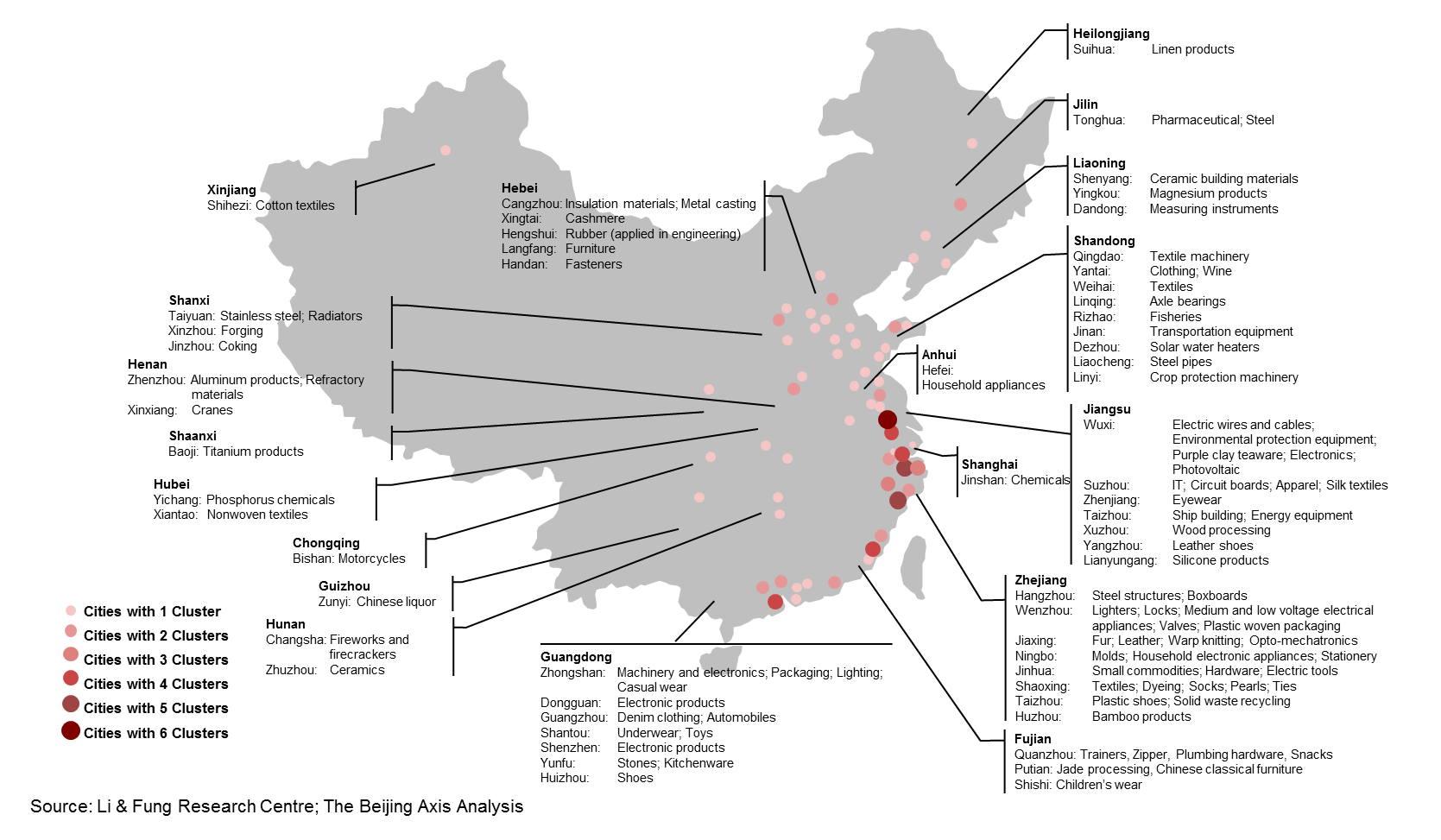
The global demand for high-precision electronics components continues to drive firms toward established production centers in provinces like Guangdong and Jiangsu. According to data from the World Trade Organization, China remains the world’s largest exporter of intermediate manufacturing goods, a position that necessitates stringent supply chain management for international buyers. When a product requires a specific connector, the challenge often lies in verifying technical specifications against international standards, such as those set by the International Organization for Standardization (ISO), to ensure compatibility and performance under diverse operational conditions.
Managing Technical Specifications in Global Sourcing
For procurement managers, the primary hurdle in sourcing specialized components is the alignment of technical documentation with factory-floor output. A connector that appears standard on a digital catalog may require specific material certifications or tolerance adjustments to function within a complex assembly. The National Institute of Standards and Technology emphasizes that documentation accuracy—specifically regarding material composition and electrical conductivity—is essential for preventing production delays and product failures.

Effective sourcing strategies now prioritize on-site technical audits. Rather than relying solely on remote communication, firms are increasingly dispatching engineers to verify that the manufacturing process for a particular component adheres to the requested design parameters. This practice mitigates the risk of “specification drift,” where minor variations in production can lead to significant assembly issues later in the supply chain.
Logistical Realities and Lead Times
Beyond the technical requirements, logistics remain a critical factor in the reliability of Chinese component supply chains. The transition from raw material procurement to finished goods delivery involves multiple layers of oversight, including export controls and international shipping regulations. The United Nations Conference on Trade and Development (UNCTAD) highlights that port efficiency and maritime transit times are currently influenced by broader geopolitical shifts and shifting trade policies. For a manufacturer, a two-day delay in a single connector shipment can cascade into weeks of downtime for a final assembly line.

To address these risks, many companies are adopting “just-in-case” inventory models rather than traditional “just-in-time” systems for critical, hard-to-source parts. This buffer allows for potential disruptions at major shipping hubs, such as the Port of Shanghai or the Port of Shenzhen. As noted in reports by the International Monetary Fund, the resilience of these supply chains is increasingly tied to the ability of firms to diversify their logistics providers and maintain real-time visibility into the movement of their goods.
Regulatory Compliance and Quality Assurance
Navigating the regulatory landscape is a constant necessity for any firm sourcing components from China. All imported electrical components must meet specific safety and environmental standards, such as the European Union’s RoHS (Restriction of Hazardous Substances) Directive, which limits the use of certain dangerous materials in electrical equipment. Failure to verify these compliance markers at the point of origin can lead to border seizures or the need for costly retrofitting.
The most successful firms are those that build transparency into their contracts. This includes clear provisions for third-party inspections and the right to audit manufacturing facilities. By establishing these frameworks, companies can ensure that the components arriving at their facilities meet the necessary quality benchmarks, thereby protecting both their brand reputation and their bottom line. As these global networks grow more integrated, the role of the onsite representative becomes increasingly vital for bridging the gap between foreign design intent and domestic manufacturing reality.
Future Outlook for Manufacturing Integration
Looking ahead, the integration of digital tracking technologies—such as blockchain-based ledgers for provenance tracking—is expected to change how companies interact with suppliers in China. These tools provide a transparent record of a component’s journey, from the sourcing of raw metals to the final quality testing phase. For businesses, the next checkpoint for evaluating supply chain health will be the upcoming quarterly updates from major logistics and manufacturing monitoring bodies, which are expected to provide further insights into regional production capacities and trade flow stability.
As the landscape continues to evolve, the ability to adapt to new regulatory demands and technological standards will distinguish resilient firms from those vulnerable to supply chain shocks. I encourage our readers to share their own experiences with cross-border sourcing in the comments section below, as we continue to track these essential developments in global trade.
Worth a look