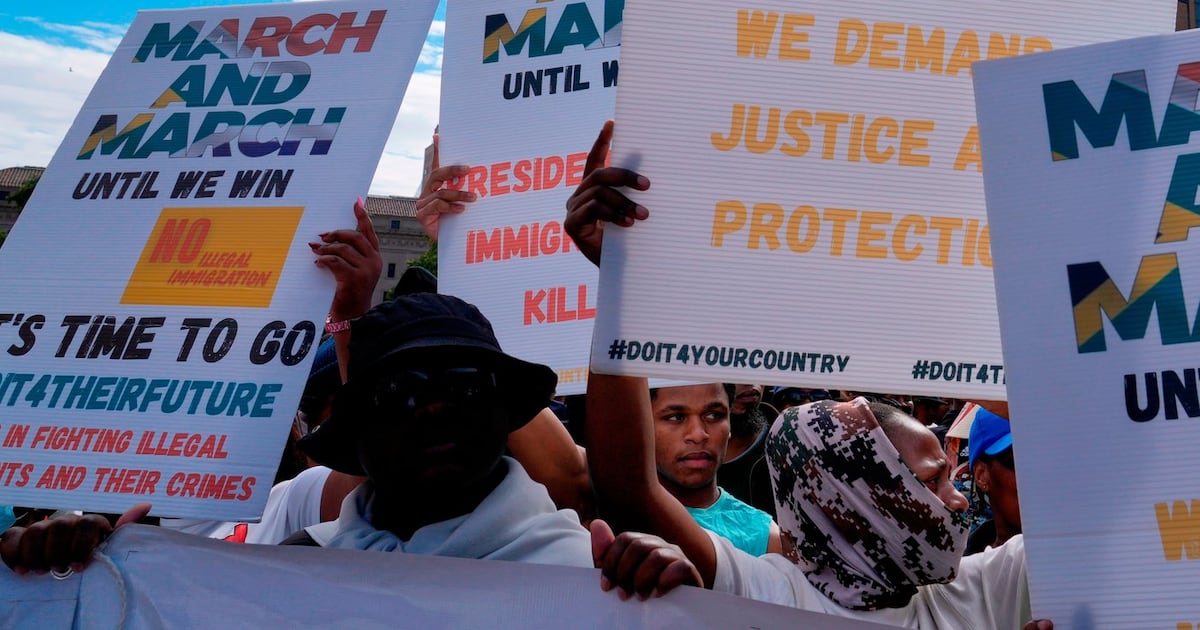
South African government officials are intensifying efforts to address concerns regarding undocumented migration, a move that comes amid ongoing national discourse over border security and social cohesion. President Cyril Ramaphosa and his administration have signaled a shift toward more rigorous enforcement of immigration laws, aiming to balance domestic legislative mandates with international human rights obligations. These policy developments follow recurring public debates over the impact of migration on local labor markets and public service delivery, as documented in records from the South African Department of Home Affairs.
The government’s approach involves a complex intersection of legislative reform and administrative enforcement. According to the Parliament of South Africa, the Immigration Act remains the primary framework governing the entry, residence, and departure of foreign nationals. Recent discussions have focused on the implementation of the Border Management Authority, an agency tasked with securing the country’s land and sea entry points. Official data from the Border Management Authority indicates that interdiction efforts have increased as part of a broader strategy to manage transit flows and ensure compliance with visa regulations.
Legislative Framework and Enforcement Priorities
The current administration maintains that enforcement of the Immigration Act is essential for national stability. The Immigration Act of 2002, as amended, outlines the legal procedures for processing asylum seekers and economic migrants. Government representatives have emphasized that while the country remains committed to the African Union’s protocols on the free movement of people, the state must also uphold its own sovereignty by ensuring that all individuals within its borders are documented according to Department of Home Affairs guidelines.
Critics and civil society organizations have raised concerns regarding the humanitarian implications of these enforcement measures. Human rights groups often point to the vulnerability of migrant populations during periods of heightened state action. The South African Human Rights Commission has frequently monitored the situation, noting that the intersection of migration policy and social tensions requires a balanced approach to prevent the marginalization of vulnerable groups. The commission’s reports highlight that legal processes must be transparent and consistent with the protections afforded by the national constitution.
Regional Dynamics and Diplomatic Relations
The management of migration in South Africa is not an isolated domestic issue; it is deeply connected to broader regional dynamics within the Southern African Development Community (SADC). Diplomatic friction has occasionally emerged when neighboring nations express concern over the treatment of their citizens during repatriation processes. As noted in statements from the Department of International Relations and Cooperation, the government maintains that all repatriation operations are conducted in accordance with bilateral agreements and international law.
These diplomatic engagements are essential for maintaining regional stability. When disputes arise regarding the status of foreign nationals, South Africa often engages in bilateral dialogues to clarify the legal standing of individuals and the conditions under which they are returned to their countries of origin. The government continues to assert that the maintenance of law and order at the border is a fundamental component of its national security strategy, as outlined in the latest National Development Plan objectives.
Looking Ahead: What Happens Next
Public attention remains focused on upcoming parliamentary oversight committee meetings, where the Department of Home Affairs is expected to provide further updates on the efficacy of its border control measures. These sessions serve as a critical checkpoint for evaluating whether current policies are meeting their intended targets for administrative efficiency and border security. Citizens and stakeholders are encouraged to monitor the Parliamentary Schedule for dates regarding upcoming briefings and policy reviews.

As the administration continues to refine its immigration strategy, the balance between security imperatives and the protection of human rights will remain a central point of national debate. Readers are invited to share their perspectives on these developments in the comments section below, as we continue to track the official updates from government agencies regarding these ongoing policy shifts.
Worth a look
- Überschaubares Niveau im Stade de Genève – Blick
- Fortezza d’arte si apre a Pechino: oltre cento opere raccontano la memoria e l’Italia contemporanea
- South Africa and Namibia sign pact for inter-state prisoner transfers (time.news)
- Connecticut State Police Assigned to Bradley Airport for Immigration Enforcement (news-usa.today)