
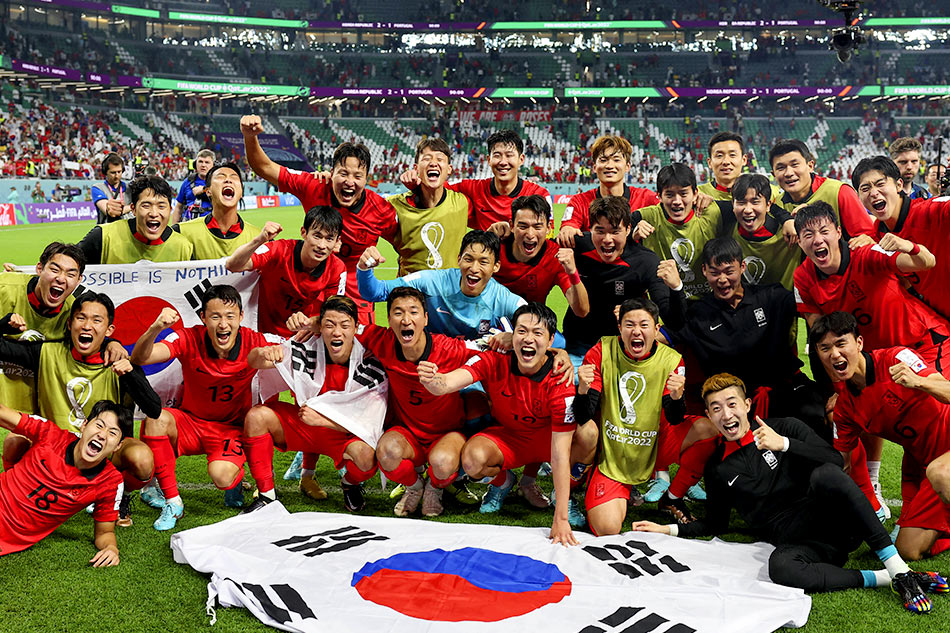
South Korea currently holds the top position among Asian nations in the latest global power rankings for international football, according to recent analysis by the British media outlet FourFourTwo. The assessment, which evaluates the competitive standing of 48 national teams ahead of the next cycle of major international tournaments, places the South Korean squad ahead of regional rivals Japan, marking a notable shift in how European analysts perceive the current strength of Asian football powerhouses.
This evaluation arrives as national teams prepare for the expanded 2026 FIFA World Cup, which will feature 48 teams for the first time in history. The shift to a larger tournament format, as confirmed by FIFA’s official tournament structure, has prompted global sports outlets to reassess the relative strength of nations across all confederations.
Evaluating Global Football Power Rankings
The ranking methodology used by FourFourTwo focuses on current form, squad depth, and performance in recent continental competitions. By positioning South Korea at the forefront of the Asian Football Confederation (AFC) representatives, the analysis highlights the impact of key players performing at the highest levels of European club football. While Japan has long been considered a tactical benchmark in Asia due to its disciplined pressing and technical proficiency, this specific ranking prioritizes the individual match-deciding capability often seen in the South Korean roster.
According to the official FIFA/Coca-Cola World Ranking, the gap between Japan and South Korea remains narrow, with both nations consistently occupying the top tiers within the Asian region. The distinction made by the British outlet appears to be a subjective assessment of “peak performance potential” rather than a mathematical reflection of the FIFA point system, which relies on a weighted average of match results over time.
The Competitive Landscape of Asian Football
The rivalry between South Korea and Japan is a defining element of Asian football, consistently influencing the development of both programs. In recent years, both nations have focused on exporting talent to major European leagues, particularly the English Premier League, the German Bundesliga, and the French Ligue 1. This trend has significantly elevated the technical floor of both national teams.
For South Korea, the reliance on high-profile attacking threats has been a consistent strategy. In contrast, Japan’s success has been characterized by a collective, system-based approach that emphasizes fluidity and tactical flexibility. Analysts often debate which model is more sustainable for long-term international success, especially as the Asian Football Confederation (AFC) qualification path for the 2026 World Cup becomes more competitive with the inclusion of additional slots.
What Happens Next for AFC Contenders
All national teams are now focused on the ongoing qualification rounds for the 2026 tournament, which is being co-hosted by Canada, Mexico, and the United States. The expansion to 48 teams provides more opportunities for nations to secure a spot, but it also increases the pressure on traditional Asian powerhouses to avoid upsets against emerging teams in the region.
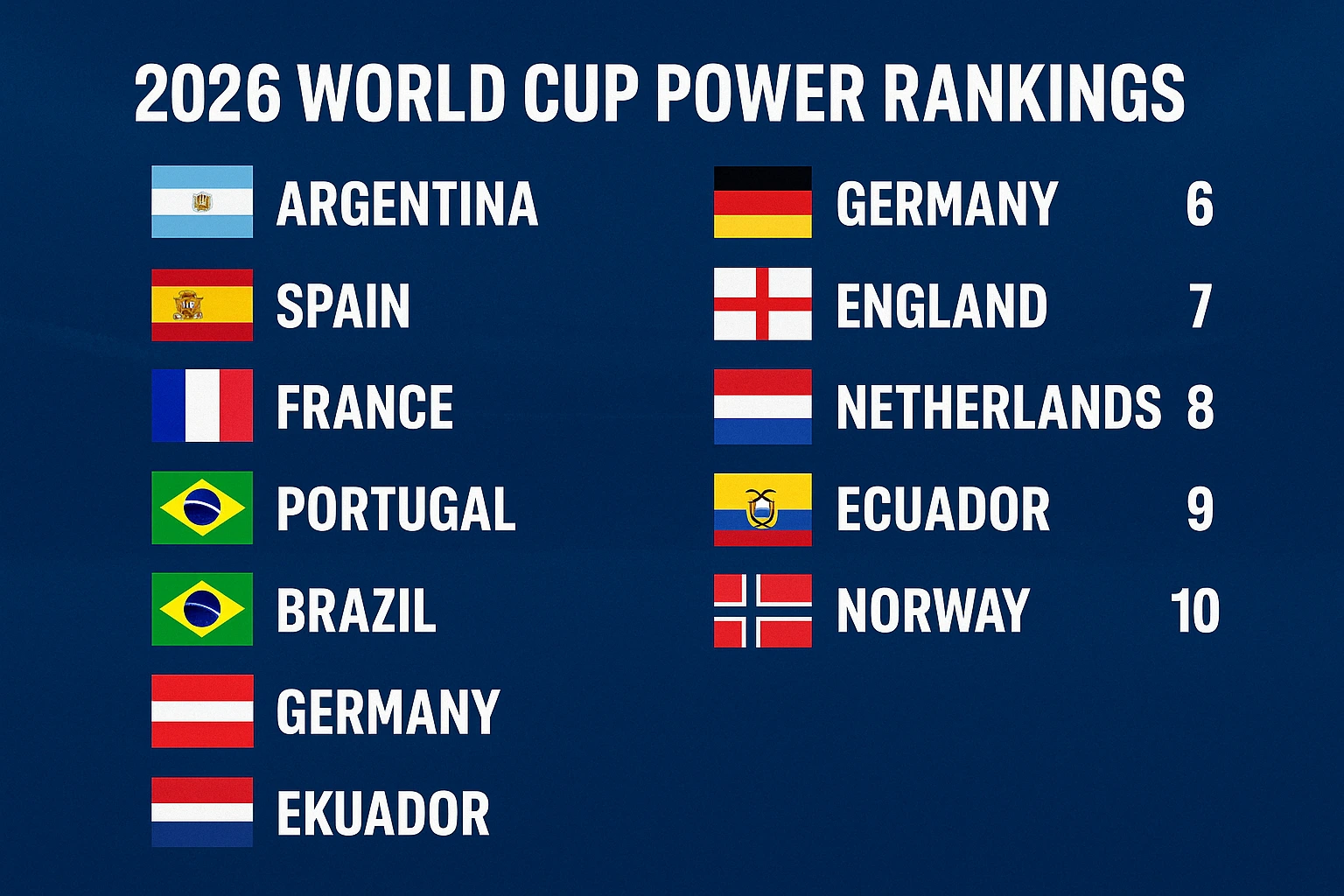
The next official update to the FIFA world rankings will provide a more objective look at how these teams are faring as the qualification process intensifies. Fans and analysts continue to monitor squad selections and injury reports, as these factors often determine the outcome of critical matches during international breaks. As the road to 2026 continues, the debate over which nation truly leads the Asian continent remains a central theme in global football discourse.
We encourage our readers to share their thoughts on these rankings. Do you believe South Korea’s current squad depth outweighs the tactical consistency seen in the Japanese team? Join the conversation in the comments section below and let us know which Asian team you expect to perform best on the world stage in 2026.
Keep reading