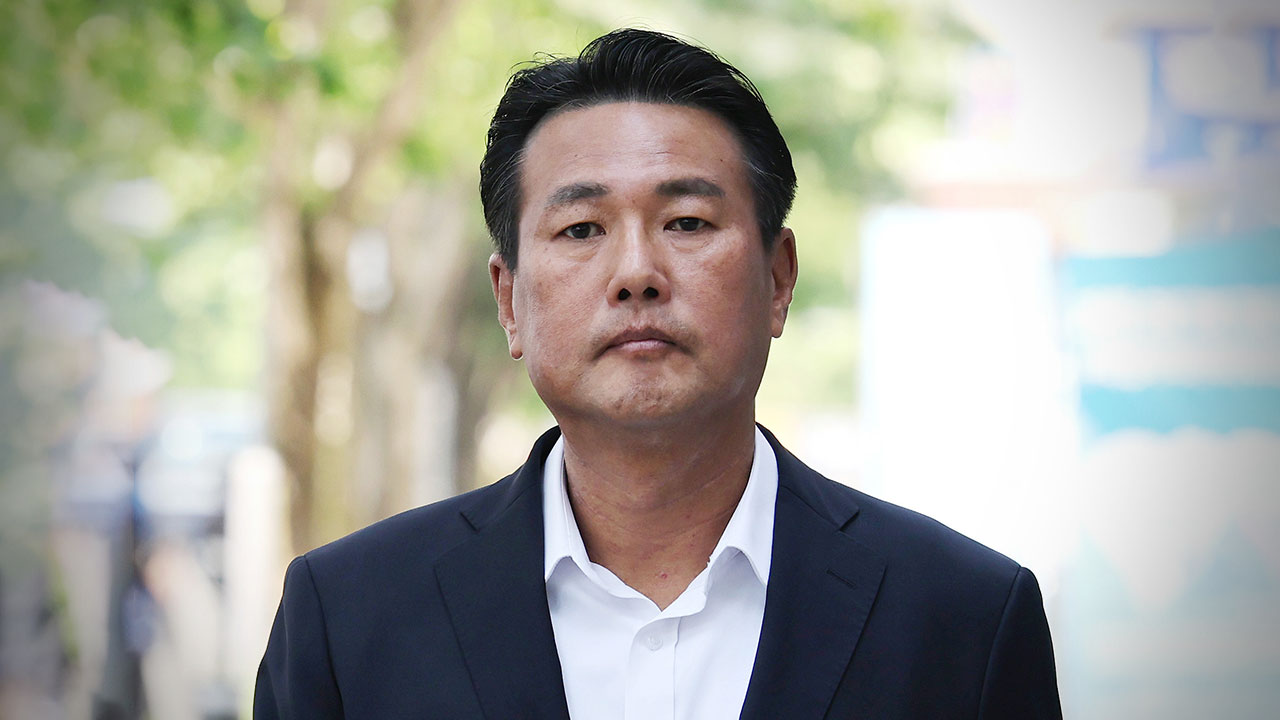
South Korea’s second comprehensive special counsel team has requested an arrest warrant for Kim Tae-hyo, the former first deputy director of the National Security Office, on charges related to the justification of emergency martial law to allied nations. The request follows allegations that Kim disseminated messages to foreign partners to legitimize the martial law decree, according to reports from Yonhap News, MBC, JTBC, Kyunghyang Shinmun, and Newsis.
The legal move targets Kim for his role in managing the international fallout of the martial law declaration. Investigators are focusing on whether Kim’s efforts to frame the decree as a necessary measure to protect the state constituted an abuse of power or a violation of law, as reported by Newsis and Kyunghyang Shinmun.
This development marks a significant escalation in the ongoing probe into the martial law period, which sparked nationwide protests and a constitutional crisis in Seoul. The special counsel is examining the chain of command and the specific communications sent to the United States and other key allies during the hours the decree was in effect.
Why is Kim Tae-hyo facing an arrest warrant?
The special counsel’s request centers on Kim’s alleged actions to “justify” the martial law decree to foreign governments. According to JTBC, the investigation includes claims that Kim communicated messages to allies attempting to rationalize the decision to suspend most legislative activities and restrict political movements.

Under the South Korean constitution, emergency martial law allows the president to control administrative and judicial powers, but it must be approved by the National Assembly if requested. The decree was swiftly condemned by lawmakers and eventually overturned by a parliamentary vote. The special counsel is now investigating whether the efforts to sell this move to the international community were part of a coordinated effort to illegally maintain power.
JTBC further reported an exclusive claim involving internal reactions to the decree, citing sources who alleged that some officials reacted with shock, with one specific report mentioning a sentiment that the president had “gone mad.” While these quotes reflect the internal turmoil of the administration, the legal focus remains on the official actions taken by Kim.
What was Kim Tae-hyo’s role in the National Security Office?
As the former first deputy director of the National Security Office, Kim Tae-hyo occupied a critical position in South Korea’s foreign policy and national security apparatus. This position gave him the authority and the channels to communicate the South Korean government’s stance on the martial law decree to the global community.

The special counsel is analyzing whether Kim exceeded his legal authority by attempting to secure foreign tacit approval or understanding for a decree that was being challenged as unconstitutional within South Korea. The investigation seeks to determine if these communications were based on false pretenses or designed to mislead allied intelligence services about the stability and legality of the domestic situation.
How does this impact the broader martial law investigation?
The request for Kim’s arrest indicates that the special counsel is moving beyond the immediate military commanders who executed the martial law decree and is now targeting the civilian architects and communicators. By focusing on the “justification” phase, investigators are attempting to build a case for a conspiracy to undermine the democratic order.
This case is part of a wider set of probes into the events. The “second comprehensive special counsel” is specifically tasked with uncovering the full extent of the planning and execution of the martial law order. If the court grants the warrant, Kim will be taken into custody, which investigators believe is necessary to prevent the destruction of evidence and to ensure his cooperation during interrogation.

The legal proceedings are being closely watched by the international community, particularly in Washington, as the details of what was communicated to the U.S. government during the crisis emerge. The outcome of this warrant request will likely signal the trajectory of further charges against other high-ranking officials in the National Security Office.
The next confirmed step in this legal process is the warrant hearing, where a judge will determine if there is sufficient probable cause and a risk of flight or evidence tampering to justify Kim Tae-hyo’s detention. Official court schedules for the hearing are expected to be released following the formal filing of the request.
Readers are encouraged to share this report and leave comments regarding the implications of this investigation for South Korean diplomacy.