
In a significant development for the global technology sector, Samsung Electronics Co. Has reached a tentative agreement with its largest labor union, potentially bringing an end to months of industrial tension that had cast a shadow over the tech giant’s operations. This preliminary deal marks a pivotal shift for the South Korean conglomerate, which has historically maintained a non-unionized culture, now navigating a new era of collective bargaining and labor relations.
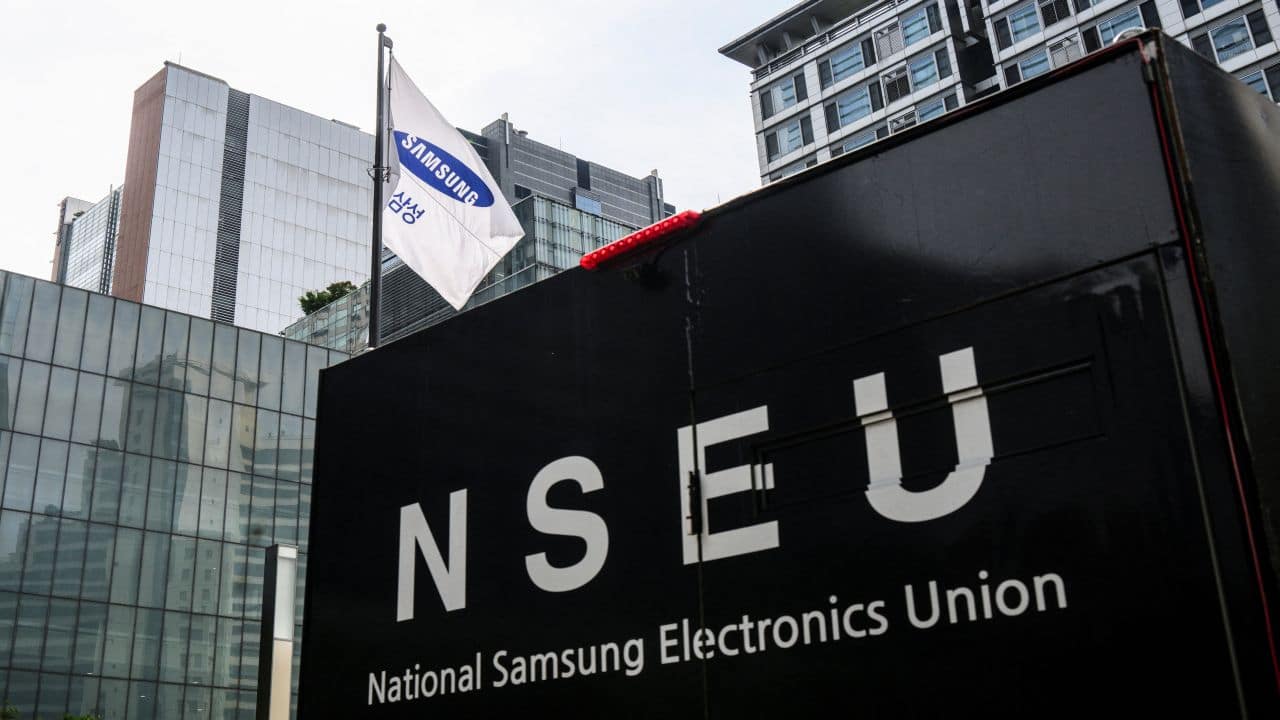
The agreement follows a series of unprecedented strikes and protests led by the National Samsung Electronics Union (NSEU), which represents thousands of employees across the company’s semiconductor and consumer electronics divisions. Investors reacted positively to the news of the tentative wage deal, with shares of the company seeing a notable rally on the Korea Exchange as markets priced in the prospect of operational stability.
Navigating a New Era of Labor Relations
For decades, Samsung Electronics operated without a formal union presence, a stance that was famously relaxed in 2020 when company leadership pledged to respect workers’ rights to organize. The current dispute centered primarily on wage increases, performance bonuses, and improved transparency in the company’s evaluation systems. As the company faces stiff competition in the high-bandwidth memory (HBM) market—a critical component for artificial intelligence hardware—the resolution of these internal labor disputes is seen as essential for maintaining its competitive edge.
The preliminary agreement includes provisions for a 5.1% average wage increase and additional leave benefits, addressing key grievances raised by the union leadership. While the deal still requires a formal vote by union members to be finalized, the consensus reached between management and labor representatives signals a de-escalation of the work stoppages that had intermittently impacted production schedules throughout the summer.
Impact on Semiconductor Production and Global Supply Chains
The semiconductor industry is currently operating at a high intensity, driven by the global demand for AI-capable chips. Any disruption at Samsung, one of the world’s largest manufacturers of memory chips, carries significant weight for the broader tech ecosystem. Analysts have closely monitored these negotiations, noting that while the recent strikes did not cause immediate, large-scale supply chain collapses, prolonged friction could have hindered the company’s ability to ramp up production for its next-generation products.
By securing this tentative agreement, Samsung aims to stabilize its workforce and focus on its primary strategic objectives. The company continues to compete aggressively with rivals like SK Hynix and TSMC in the foundry and memory sectors. Maintaining a harmonious relationship with its highly skilled workforce is not just a matter of corporate culture, but a strategic necessity for long-term innovation and market leadership.
Key Takeaways for Investors and Industry Observers
For those tracking the evolution of the tech industry, this situation offers several critical insights into how major corporations are adapting to changing labor expectations. The following points summarize the current status of the Samsung-union negotiations:
- Wage Adjustments: The tentative deal includes a 5.1% average pay hike, reflecting inflationary pressures and the value of specialized engineering talent in the current market.
- Union Recognition: The evolution of the NSEU underscores a broader trend of workforce empowerment within South Korea’s major conglomerates, or chaebols.
- Market Stability: The rally in Samsung’s stock price highlights that investors prioritize predictable labor environments, particularly as the company invests billions into new manufacturing facilities in South Korea and the United States.
- Ratification Process: The deal is not yet legally binding; it must undergo a ratification vote by the union membership to officially conclude the current dispute cycle.
What Comes Next?
The immediate next step in this process is the ratification vote by the union members. According to statements released by the National Samsung Electronics Union, members will be invited to cast their ballots on the terms proposed in the preliminary agreement. Should the membership approve the proposal, it will likely mark the end of the most significant labor unrest in the company’s recent history.
Management and labor representatives are expected to continue formalizing the details of the agreement in the coming weeks. As an editor, I will continue to track these developments, particularly how the implementation of these new labor terms affects Samsung’s production output and its strategic roadmap for the remainder of the fiscal year. We encourage our readers to stay tuned for official updates from the company’s investor relations portal and recognized labor union announcements.
What are your thoughts on how labor-management relations are evolving in the tech industry? Share your perspective in the comments section below.
Related reading