
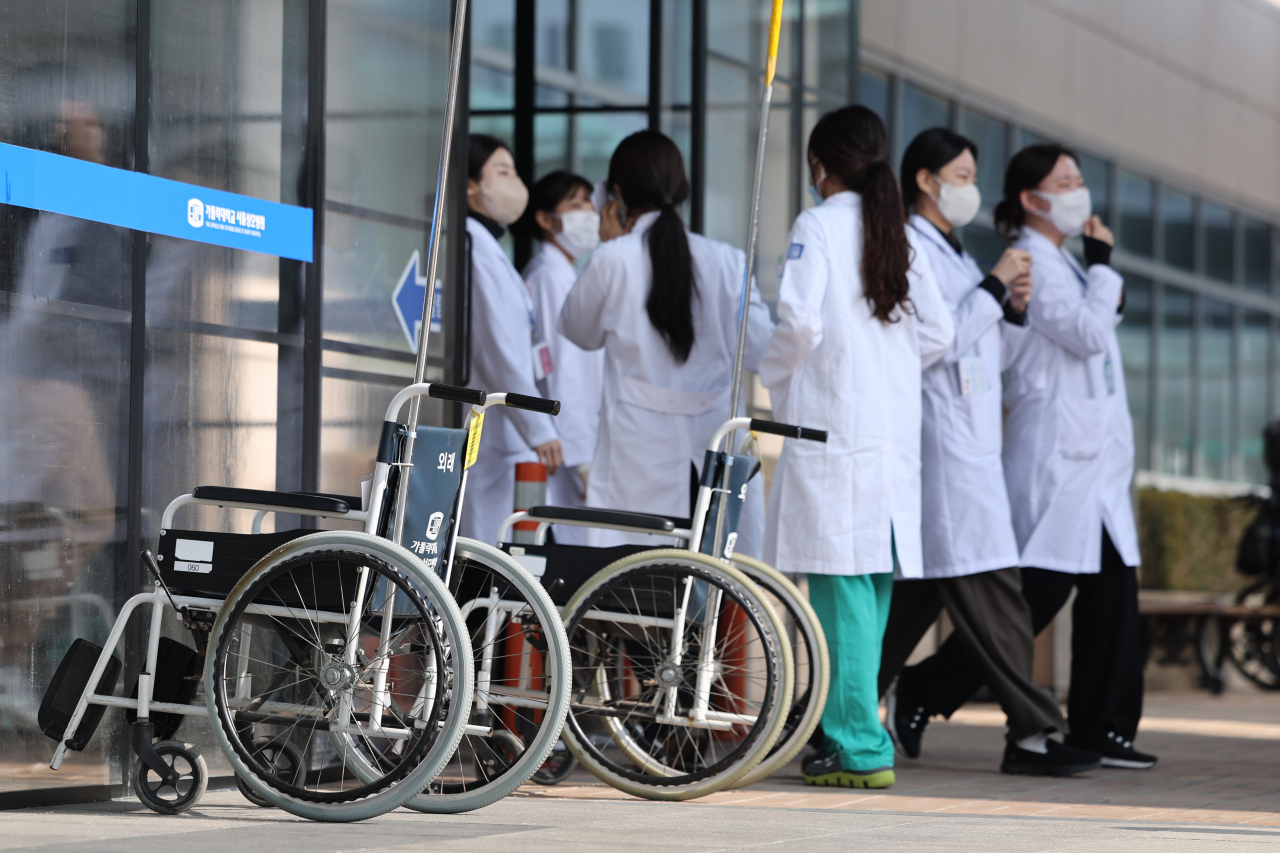
South Korea’s rural healthcare crisis is deepening, with growing shortages of doctors in provincial hospitals and clinics raising urgent questions about how to deploy new medical graduates effectively. While the government has announced plans to steadily increase medical school and residency quotas, experts warn that simply training more physicians will not solve the problem unless systemic barriers to rural practice are addressed.
The issue has gained renewed attention as South Korea moves forward with a phased expansion of medical school admissions, aiming to add an average of 668 new doctors per year starting in 2027. This policy, designed to alleviate long-standing shortages in essential and public health sectors, reflects growing concern over geographic imbalances in healthcare access. However, without meaningful incentives and structural reforms, newly trained doctors may continue to concentrate in urban centers, leaving rural communities underserved.
According to verified government sources, the expansion plan is part of a broader strategy to strengthen regional and public healthcare by increasing the number of physicians willing to work in non-metropolitan areas. The Ministry of Health and Welfare has emphasized that the goal is not merely to increase the total doctor count, but to improve distribution so that residents outside major cities like Seoul and Busan can access timely medical care.
Yet, challenges remain. A recent analysis by the National Assembly Legislative Research Service highlights that past efforts to increase medical school enrollment have not consistently led to better rural staffing. Factors such as lower pay, limited career advancement opportunities, and professional isolation continue to deter young doctors from accepting positions in provincial hospitals, even when vacancies exist.
To understand the scope of the issue, We see important to examine how doctor distribution currently varies across South Korea. Data from the Korean Medical Association shows that while the national average stands at approximately 2.5 physicians per 1,000 people, this figure drops significantly in rural provinces such as North Jeolla and South Chungcheong, where ratios fall below 1.8 per 1,000. In contrast, Seoul exceeds 4.0 doctors per 1,000 residents, underscoring a stark urban-rural divide.
These disparities have real-world consequences. Patients in rural areas often face longer travel times to reach specialists, delayed diagnoses, and reduced access to emergency care. In some cases, local clinics are forced to limit services or close entirely due to staffing shortages, placing additional strain on neighboring facilities and increasing the burden on patients who must travel farther for treatment.
In response, policymakers are exploring a range of measures beyond numerical expansion. These include strengthening the “regional doctor quota” system, which requires certain medical school graduates to serve in designated underserved areas for a set period, and enhancing financial incentives such as housing allowances, loan forgiveness, and bonus payments for rural service.
there is growing discussion about reforming training programs to include mandatory rural rotations during residency, similar to models used in countries like Canada and Australia. Proponents argue that early exposure to community-based care can increase the likelihood of long-term practice in rural settings, while critics caution that compulsory measures may lead to resentment or early attrition if not paired with adequate support.
Verified updates from the Ministry of Health and Welfare indicate that the phased increase in medical school admissions will begin in 2025, with incremental annual increases leading to the target of 668 additional doctors per year by 2027. The plan applies to both undergraduate medical education and postgraduate residency training, aiming to expand the pipeline at multiple levels.
Stakeholders across the healthcare spectrum are weighing in. Medical associations acknowledge the necessitate for more doctors but stress that retention is as important as recruitment. Hospital administrators in rural areas report ongoing difficulties in attracting specialists such as obstetricians, pediatricians, and surgeons, noting that even when positions are filled, turnover remains high.
Meanwhile, medical students and young doctors express mixed views. Some welcome the expanded opportunities to enter the profession, while others worry that increased competition for desirable urban residencies could intensify pressure during training. A few have called for greater transparency in how placement decisions are made under the regional service obligations.
Looking ahead, the next key milestone is the official implementation of the expanded admissions quota for the 2025 academic year, which will be determined by individual universities based on government guidelines. The Ministry of Health and Welfare is expected to release a progress report in mid-2026 detailing early enrollment figures and initial impacts on applicant pools.
For readers seeking official information, the Ministry of Health and Welfare publishes regular updates on medical education policy through its website and press releases. The National Assembly Legislative Research Service also provides independent analyses of healthcare workforce trends, including reports on regional disparities and policy effectiveness.
As South Korea moves forward with its plan to train more doctors, the central question remains: how to ensure that new physicians are not only available, but willing and able to serve where they are needed most. The answer will likely depend not just on numbers, but on reshaping incentives, improving working conditions, and creating sustainable pathways for long-term rural practice.
If you have insights or experiences related to healthcare access in rural areas — whether as a patient, provider, or policymaker — we invite you to share your thoughts in the comments below. Your perspective helps deepen the conversation and informs better reporting on issues that affect communities worldwide.