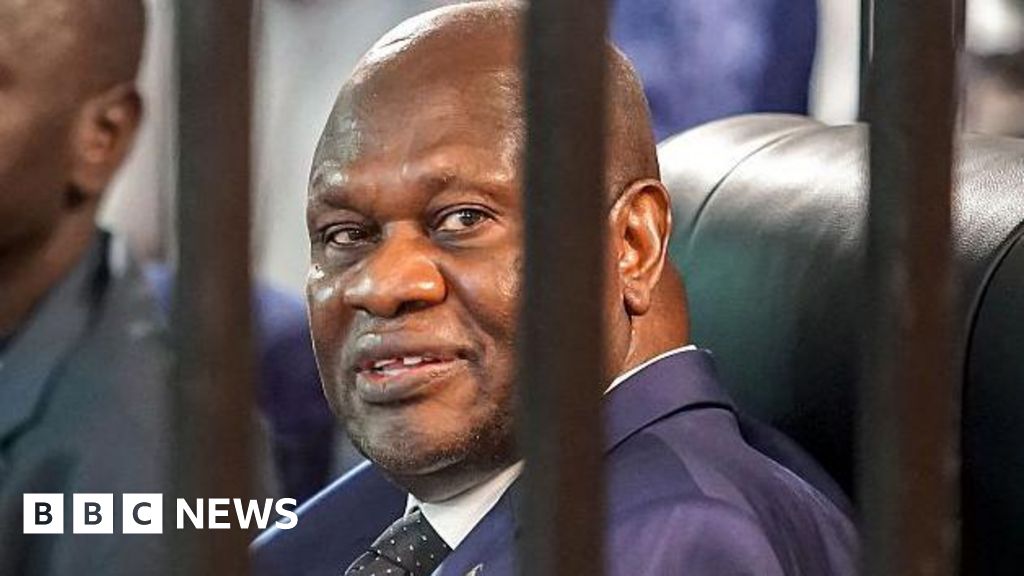
South Sudan’s Machar Faces Landmark Trial Amidst Fears of Renewed Conflict
South Sudan’s First Vice President, Riek Machar, is facing extraordinarily serious charges: murder, treason, and crimes against humanity. The case, unfolding in a special court, has ignited political tensions and raised the specter of a return to civil war in the fragile nation. This article provides a comprehensive overview of the situation, the charges, and the implications for south Sudan’s future.
The Allegations & Initial Response
The charges stem from a March attack attributed to a militia allegedly linked to Machar. This attack resulted in the deaths of 250 soldiers and a general, a significant escalation of violence. Machar, however, vehemently denies any involvement, dismissing the accusations as a politically motivated “witch-hunt.”
He has been under house arrest since the incident, while his legal team mounted a robust defense challenging the court’s authority and his potential immunity. These initial objections were dismissed, paving the way for the trial to continue on Wednesday.
Legal Battles & Court Rulings
Machar’s defense argued the case should be heard by a hybrid court established under the 2018 Peace Agreement, involving the African Union. This agreement aimed to end the five-year civil war between Machar’s forces and those loyal to president Salva Kiir.
However, Judge James Alala ruled the special court does have jurisdiction over national offenses, as the hybrid court hasn’t been established. He cited the transitional Constitution of 2011, as amended, as the legal basis for this decision. Furthermore,the judge asserted that constitutional immunity applies only to the president,not the First Vice President.
The court also removed two of Machar’s lawyers due to expired licenses, a move criticized by the defense as further evidence of a biased process.
Strong Condemnation from Machar’s Party
The ruling has been met with fierce condemnation from Machar’s Sudan People’s Liberation Movement-In Opposition (SPLM-IO) party. they’ve labeled the trial “unconstitutional,” a “rigged court case,” and a “sham trial” conducted by a “kangaroo court” lacking legitimacy. Allegations of “tribal” motives behind the prosecution have also been leveled.
Machar’s lead lawyer,Geri Raimondo Legge Lubati,argued that his client has been subjected to a “politicised media campaign” by government officials,violating the presumption of innocence. This, he contends, amounts to a pre-judgment of the case.
Why This Matters: The Risk of Renewed Conflict
The timing and nature of these charges are deeply concerning. South sudan, having gained independence from Sudan in 2011 after decades of conflict, remains incredibly fragile.The current situation carries a significant risk of destabilizing the country and potentially reigniting civil war.
Here’s a breakdown of the key concerns:
* Erosion of the peace Agreement: The 2018 agreement, while imperfect, has been crucial in maintaining a fragile peace. This trial threatens to unravel that progress.
* Political Polarization: The charges exacerbate existing political divisions and mistrust between Machar’s supporters and the government.
* Potential for Violence: A perceived injustice coudl trigger unrest and violence, particularly among Machar’s base.
International Response & Calls for Calm
Recognizing the gravity of the situation,the United nations,the African Union,and neighboring countries have all issued calls for calm. The international community is closely monitoring the proceedings and urging all parties to prioritize dialog and peaceful resolution.
Looking Ahead
The trial of Riek Machar represents a critical juncture for South Sudan. The outcome will have profound implications for the country’s stability, its democratic trajectory, and the well-being of its people.
You can stay informed about developments in this story through these resources:
* BBC News: South Sudan’s Riek Machar faces trial over deadly attack
This is a developing story, and we will continue to provide updates as they become available.
Disclaimer: *This article provides details