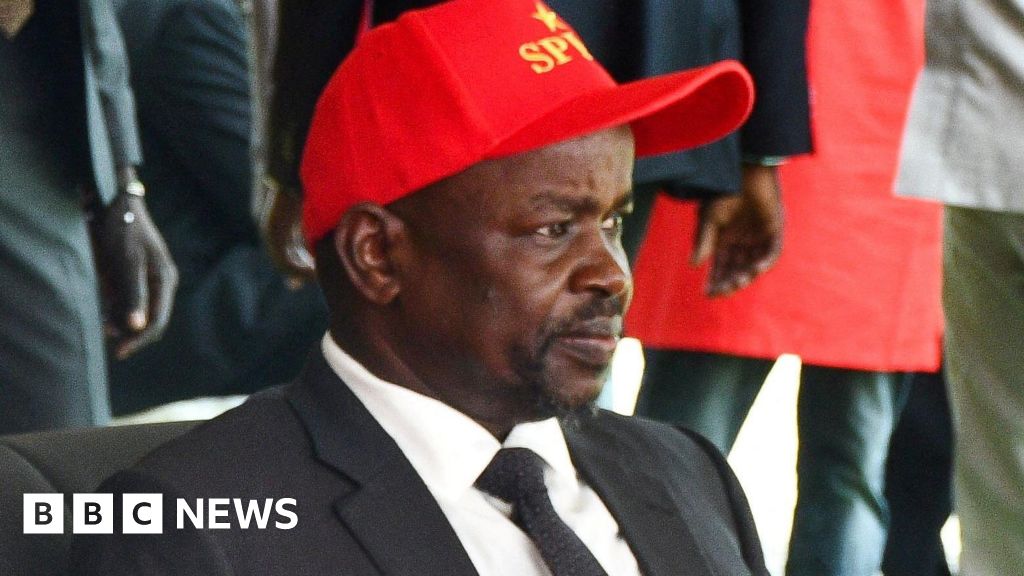
South Sudan Vice president Bol Mel Dismissed Amidst Power Struggle Concerns
South Sudan’s President Salva Kiir has abruptly dismissed Vice President Bol Mel, a move signaling potential instability within the ruling Sudan People’s Liberation Movement (SPLM). The dismissal, announced this week, follows months of speculation regarding internal power dynamics and raises questions about the future of the fragile peace agreement in the world’s newest nation.
Mel, appointed to the position in February, replacing veteran politician James Wani Igga, expressed his gratitude to Kiir in a letter, affirming his confidence in the president’s leadership. However, his relatively short tenure was marked by a rapid rise in power, fueling concerns about a potential succession challenge to the 74-year-old Kiir.
A Rapid Rise and Lingering Allegations
Bol Mel’s ascent was swift. Beyond the vice presidency,he was also appointed as the first deputy chairman of the SPLM and promoted to the rank of general in the National Security Service (NSS). Analysts believe these moves positioned him as a prominent figure, potentially vying for leadership.
Though, his advancement occurred despite existing U.S.sanctions levied against him in 2017 – sanctions that were renewed earlier this year – due to allegations of corruption. The U.S. Treasury Department identified Mel as Kiir’s “principal financial advisor,” a claim the president’s office refuted. Mel himself never publicly addressed the accusations.
Internal Divisions and Public Reaction
The dismissal comes as no surprise to some observers.A senior government official, speaking anonymously to the BBC for safety reasons, described Mel as a “divisive figure.” This sentiment appears to be shared by some citizens.
Reports indicate that Mel’s security detail was withdrawn from his residence and office in Juba hours before the announcement. A taxi driver in the capital expressed widespread relief, stating that celebrations even erupted in Mel’s home town of Aweil.
A Nation Grappling with Instability
South Sudan, rich in oil, gained independence from Sudan in 2011. Regrettably, the nation quickly descended into civil war in 2013 following a power struggle between kiir and his former vice president, Riek Machar.
The 2018 power-sharing agreement aimed to end the conflict, but challenges persist. Tensions remain high, sporadic violence continues, and planned elections have been postponed twice in the last three years.
* Recent Escalations: Fighting between government forces and armed groups has recently intensified.
* Machar’s situation: Riek Machar, previously sacked as vice president and arrested earlier this year, now faces charges of murder, treason, and crimes against humanity. His spokesperson claims these charges are a “political witch-hunt.”
* ongoing concerns: The charges against Machar followed an attack allegedly linked to his supporters,resulting in notable casualties.
What this Means for You and South Sudan’s Future
This latest advancement underscores the fragility of peace in South Sudan. You, as someone following international affairs, should understand that the dismissal of a high-ranking official like Bol Mel isn’t an isolated event. It’s a symptom of deeper power struggles that threaten to derail the country’s progress.
The lack of announced replacements for Mel’s positions adds to the uncertainty. The situation demands careful monitoring as South sudan navigates a complex political landscape and strives to achieve lasting stability. The path forward requires strong leadership, inclusive governance, and a commitment to addressing the root causes of conflict.
Sources:
* https://www.bbc.com/news/world-africa-67289999
Related reading