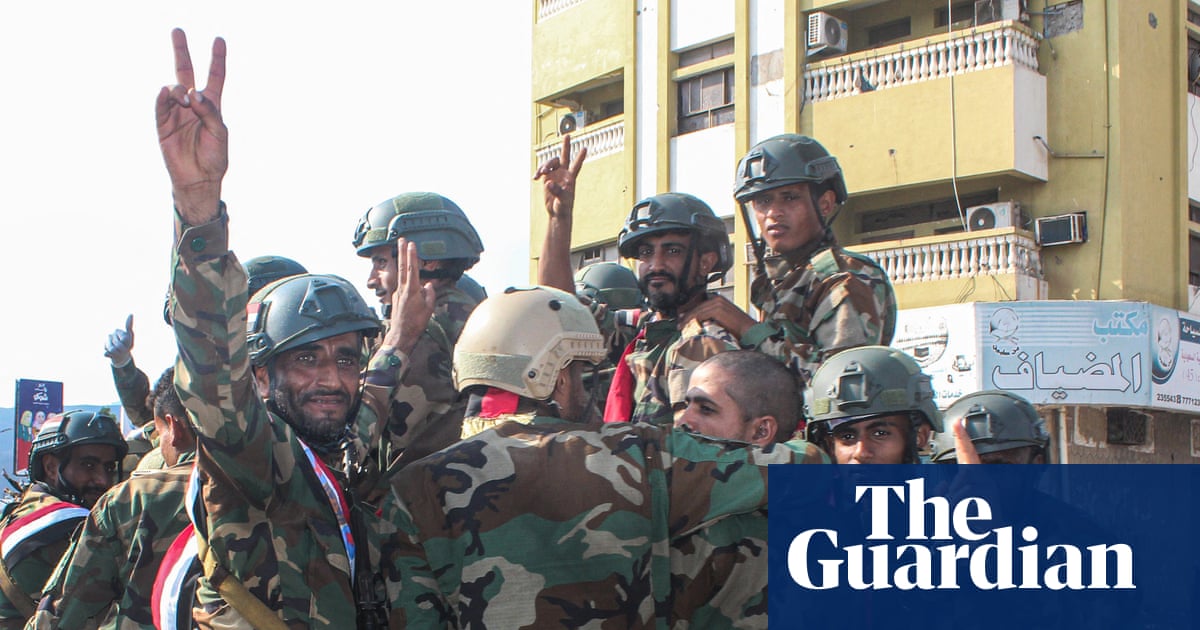
Yemen at a crossroads: Southern Separatists Seize Control,Threatening national Unity and Regional Stability
Recent developments in Yemen signal a dramatic shift in the country’s ongoing conflict,potentially reshaping the political landscape and escalating regional tensions.For years, a fragile alliance has existed between the internationally recognized government and the Southern Transitional Council (STC), but that partnership is now fracturing as the STC consolidates power. You’re likely following the complex situation in Yemen, and understanding these changes is crucial to grasping the future of the region.
A Power Grab in Hadramaut
The STC, backed by notable military strength, recently seized control of PetroMasila, Yemen’s largest oil company, located in the Hadramaut governorate. This move represents a bold assertion of authority and places the STC in a commanding position to dictate the country’s future.Consequently, the presidential leadership council is now deeply divided, with President Rashad al-Alimi relocating to Riyadh seeking diplomatic support.
Al-Alimi has publicly called for the STC to return to barracks, firmly rejecting any unilateral actions that could undermine the state’s legitimacy. Though,the STC appears to have received tacit approval,or at least a lack of forceful opposition,to proceed with its actions.
Why This matters: A Two-State Solution Looms
Western diplomats have historically opposed dividing Yemen, favoring a Saudi-led roadmap aimed at establishing a federal government inclusive of both the Houthis and southern forces.Now, that vision is increasingly threatened.
Consider these key points:
* A Two-State Solution Gains Traction: The current situation strongly suggests a move towards a two-state solution,despite previous international resistance.
* houthi Control Remains a Factor: A key consideration is the ongoing control of the Houthi movement in northern yemen,and the potential for further instability.
* Protecting Key Governorates: The STC may offer protectorate status to governorates like Taiz and Marib – currently not under Houthi control – to prevent them from falling to the Houthis.
Regional Implications and International Response
The implications of this power shift extend far beyond yemen’s borders. Western diplomats are actively engaging with the STC, probing their intentions, particularly regarding relations with Russia and the impact on the fight against the Iranian-backed Houthis.
Currently, no Western nation has publicly commented on the situation, and the U.S.has remained silent. This silence is notable, and suggests a complex calculation of interests and potential consequences.
Moreover, analysts suggest this move could strain relations between Saudi Arabia and the United Arab Emirates (UAE).
Expert Analysis: A Turning Point
Maysaa Shujaa al-Deen, a senior analyst at the Sana’a Center for strategic Studies, describes this moment as “the biggest turning point for Yemen since the fall of sana’a to the Houthis in 2015.” She highlights the potential for:
* Shifting Alliances: A complete upheaval of regional and local alliances.
* Emirati-Saudi Conflict: A potential conflict between the Emirates and Saudi Arabia.
* Southern Self-Governance: The STC gaining leverage to demand self-government for the South.
* Saudi Border Security Concerns: Increased concerns for Saudi Arabia regarding the security of its borders,given past Houthi attacks.
The UAE Factor and Saudi Efforts to Salvage the Situation
Speculation is mounting that the UAE may have signaled its approval for the STC’s actions. This is potentially linked to frustration over Saudi Arabia’s intervention in Sudan, a crisis that has generated negative publicity for the UAE due to allegations of supporting the Rapid Support Forces.
Currently, a Saudi delegation remains in Hadramaut, facing intense pressure from Riyadh to de-escalate the situation and salvage a viable outcome.
What to Expect Next
the coming days and weeks will be critical. You can anticipate increased diplomatic activity, potential clashes between the STC and forces loyal to al-Alimi, and a reassessment of regional strategies.
Ultimately, the future of Yemen hangs in the balance, and the choices made now will have profound consequences for the country and the wider region. Staying informed and understanding the nuances of this evolving situation
Worth a look