Rising tides and Historic Action: Indonesia’s Fight for Survival in the Face of Climate Change
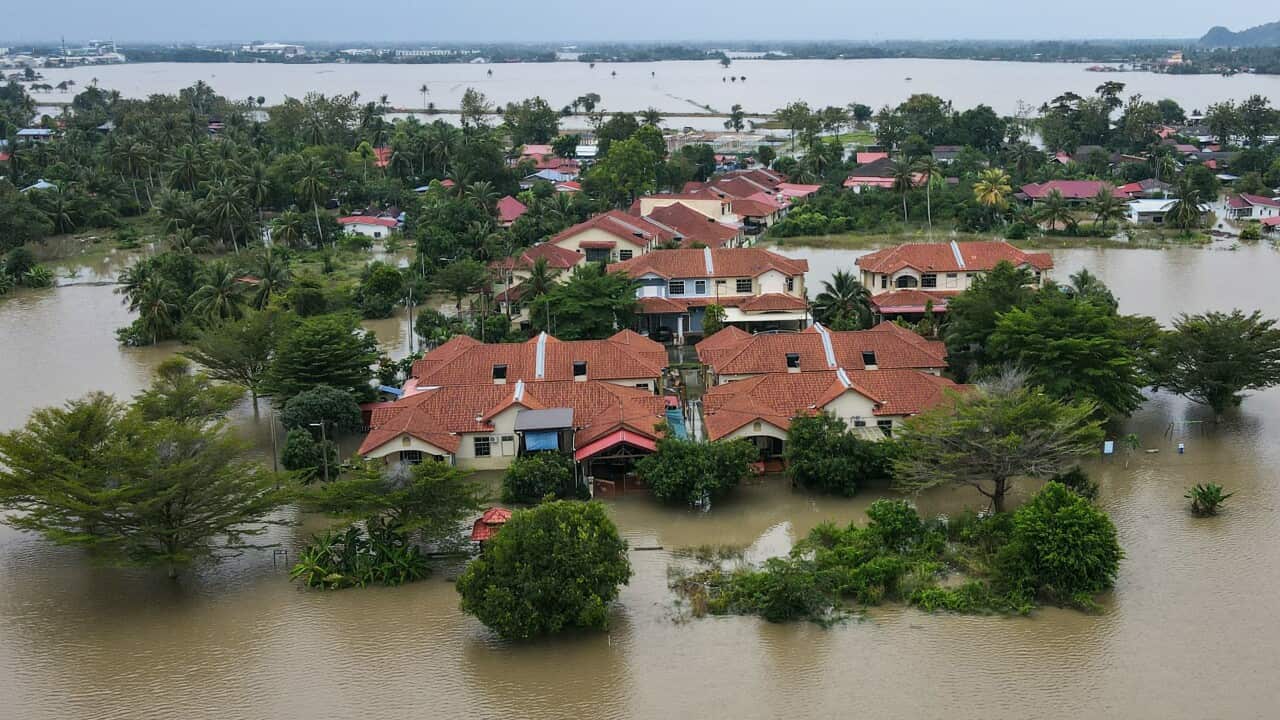
recent devastating floods across Indonesia, Malaysia, and Thailand underscore a harsh reality: the escalating impact of climate change is no longer a distant threat, but a present-day crisis. These events, tragically claiming lives and livelihoods, are prompting unprecedented action, including a landmark climate case brought forth by a community facing the literal disappearance of their island home.
The Human Cost of Extreme weather
The scale of the recent flooding is notably alarming. In Indonesia, communities have experienced catastrophic inundation, with businesses destroyed and lives upended. One shop owner recounted returning to find his business submerged to waist-deep levels, forcing a desperate retreat to save his life.
Similarly, Malaysia has suffered fatalities due to heavy rainfall, leaving parts of Perlis state underwater. These events are not isolated incidents. They represent a worrying trend of increasingly severe weather patterns across the region.
Understanding the Intensification of Monsoon Seasons
The annual monsoon season, typically spanning june to september, routinely brings heavy rains and the risk of landslides and flash floods. Though, this year’s conditions have been dramatically worsened by a coinciding tropical storm. Consequently, the death tolls in Indonesia and Thailand are among the highest recorded in recent years during flooding events.
You might be wondering what’s driving this intensification.Climate change is fundamentally altering storm patterns,extending their duration and increasing their intensity. This translates directly into heavier rainfall,more frequent flash floods,and stronger wind gusts.
The Science Behind the Storms
A warmer atmosphere holds more moisture, leading to more intense precipitation events. Furthermore, warmer ocean temperatures provide fuel for storm systems, effectively turbocharging their strength. These aren’t theoretical predictions; they are observable consequences of a changing climate.
As Renard Siew, a climate change advisor, aptly points out, “Climate scientists have already warned that extreme weather events…will continue to worsen as temperatures increase.” And, sadly, that’s precisely what we are witnessing.
A Nation Sinks: Indonesia’s Historic climate Case
Amidst this backdrop of escalating crisis, a community in Indonesia is taking a bold step.Facing the imminent loss of their island due to rising sea levels, they are pursuing a historic climate case in court. This legal challenge seeks to hold those most responsible for greenhouse gas emissions accountable for the devastating consequences impacting vulnerable communities.
Here’s what makes this case so critically important:
* Precedent-Setting: It’s one of the first legal actions of its kind,aiming to establish a direct link between climate change and the displacement of an entire community.
* Global Implications: The outcome could set a legal precedent for similar cases worldwide, empowering other vulnerable populations to seek redress.
* Urgency: It underscores the immediate and existential threat faced by low-lying island nations and coastal communities.
This case isn’t just about legal arguments; it’s about survival. It’s a desperate plea for action, a demand for justice, and a testament to the resilience of a community facing unimaginable loss.
What You Can Do
The challenges are significant, but not insurmountable. You can contribute to solutions by:
* Staying Informed: Continue to educate yourself about climate change and its impacts.
* Supporting Sustainable Practices: Make conscious choices to reduce your carbon footprint.
* Advocating for Change: encourage your elected officials to prioritize climate action.
The story unfolding in Indonesia, and echoed in communities across Southeast Asia, is a stark warning. It’s a call to action that demands our immediate attention and collective response. The future of these communities, and indeed our planet, depends on it.
Related reading