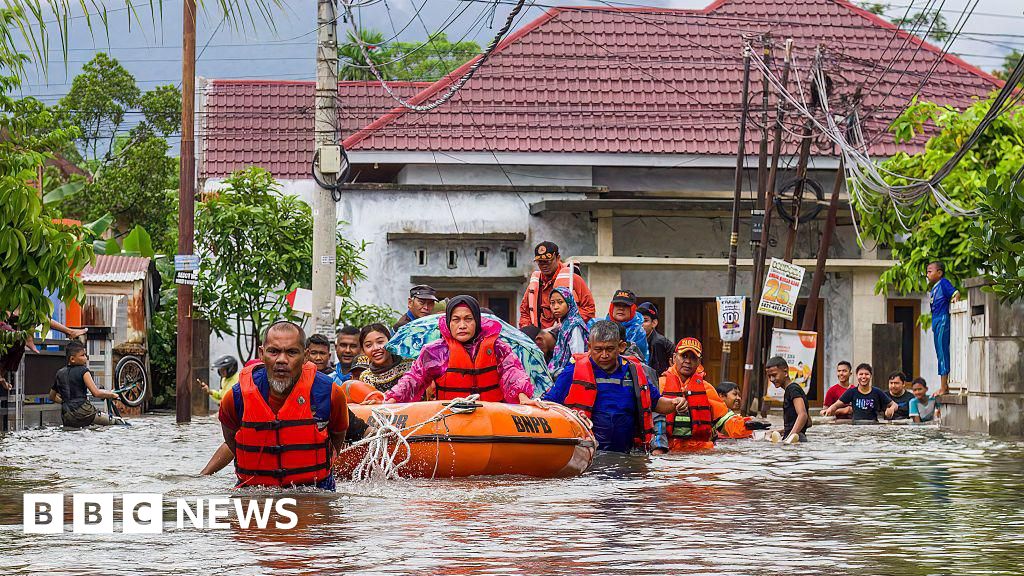
Severe Flooding impacts Sri Lanka and Malaysia, triggering Emergency Response
Devastating floods are currently impacting Sri Lanka and Malaysia, causing widespread destruction and displacement. The extreme weather has prompted a state of emergency in Sri Lanka and a significant humanitarian response in both nations. Let’s take a closer look at the unfolding situation and what’s driving these events.
Sri Lanka Faces a National Crisis
A state of emergency has been declared in Sri Lanka as the country grapples with one of its worst weather disasters in recent years. The government has also issued an urgent appeal for international assistance to cope with the scale of the crisis.
Here’s a snapshot of the impact:
* over 15,000 homes have been completely destroyed.
* Approximately 78,000 people have been forced to seek refuge in temporary shelters.
* Roughly one-third of the country is currently without electricity and access to clean running water.
* Images circulating show residents wading through flooded streets, desperately trying to salvage belongings and protect their families and pets.
Malaysia Battles Widespread Disruption
While the death toll in malaysia is lower than in Sri Lanka, the damage is equally significant. Flooding has caused widespread havoc, particularly in the northern Perlis state.
Key details include:
* Two fatalities have been confirmed.
* Tens of thousands of people have been displaced and are relying on emergency shelters.
* Large areas remain submerged, disrupting daily life and essential services.
What’s Causing This Extreme Weather?
Meteorologists believe the current extreme weather patterns in Southeast Asia are likely linked to a combination of factors. The interaction between Typhoon Koto in the Philippines and the unusual formation of Cyclone Senyar in the Malacca Strait are thought to be major contributors.
It’s significant to remember that the region’s annual monsoon season, typically running from June to September, naturally brings heavy rainfall. However, the intensity and duration of these events are changing.
The Role of Climate Change
I’ve found that climate change is undeniably altering storm patterns globally. We’re seeing shifts in the intensity and duration of monsoon seasons, leading to heavier rainfall, increased instances of flash flooding, and stronger winds. These changes exacerbate the impact of natural weather events, making them more frequent and more severe.
You can expect to see continued research into the specific links between climate change and regional weather patterns. Understanding these connections is crucial for developing effective mitigation and adaptation strategies.
Looking Ahead
The situation remains fluid, and ongoing monitoring is essential. Both Sri Lanka and Malaysia are working to provide immediate relief to affected communities. As the waters recede,the focus will shift to long-term recovery and rebuilding efforts.
If you’re looking for ways to help, consider supporting reputable humanitarian organizations working on the ground. Your contribution, no matter how small, can make a real difference in the lives of those affected by these devastating floods.