Brazil is preparing for the potentially devastating impacts of an intensified El Niño phenomenon, which officials warn could exacerbate the country’s already strained recovery efforts in regions still healing from catastrophic floods two years ago. According to the Brazilian National Center for Monitoring and Early Warning of Natural Disasters (CEMADEN), the current El Niño event—one of the strongest in decades—is expected to bring extreme rainfall, landslides, and river flooding to southern Brazil, particularly in Rio Grande do Sul, Santa Catarina, and Paraná, where 2024’s floods displaced over 1.5 million people and caused at least $10 billion in damages, per the Brazilian Institute of Geography and Statistics (IBGE).
Government agencies and meteorologists are sounding the alarm after satellite data from the National Oceanic and Atmospheric Administration (NOAA) confirmed El Niño conditions in the equatorial Pacific, with sea surface temperatures reaching +1.5°C above average—a threshold that typically correlates with severe weather events in South America. “We’re facing a high-risk scenario,” stated Carlos Gomes, CEMADEN’s director, in a press briefing last week. “The combination of saturated soil from last year’s floods and the predicted rainfall could trigger secondary disasters like mudslides and infrastructure collapses.”
While El Niño’s effects vary by region, southern Brazil remains particularly vulnerable due to its topography and the lingering damage from 2024’s floods. In Rio Grande do Sul alone, over 170 municipalities declared a state of emergency after the floods, and recovery efforts—including debris removal and temporary housing—are still underway. The state’s agriculture sector, a cornerstone of Brazil’s economy, also faces renewed threats: El Niño typically disrupts soybean and corn yields, which could push global prices higher just as Brazil aims to maintain its status as the world’s top agricultural exporter.
Why Southern Brazil Is at Higher Risk Than Other Regions
El Niño’s impact on Brazil is not uniform. While northern and northeastern states may experience droughts, the south—already battered by last year’s floods—faces compounded risks due to three key factors:
- Saturated soil and weakened infrastructure: The 2024 floods left vast areas with compromised drainage systems and eroded riverbanks. “Many of the same areas that flooded in 2024 are still at risk,” warned IBGE’s climate division in a recent report. Municipalities like Porto Alegre and Caxias do Sul, which saw record water levels, are bracing for similar scenarios.
- Urban vulnerability: Rapid urbanization in southern Brazil has led to informal settlements in flood-prone zones. The United Nations Development Programme (UNDP) estimates that over 60% of flood-related deaths in the region occur in these communities, where evacuation routes and early warning systems are often inadequate.
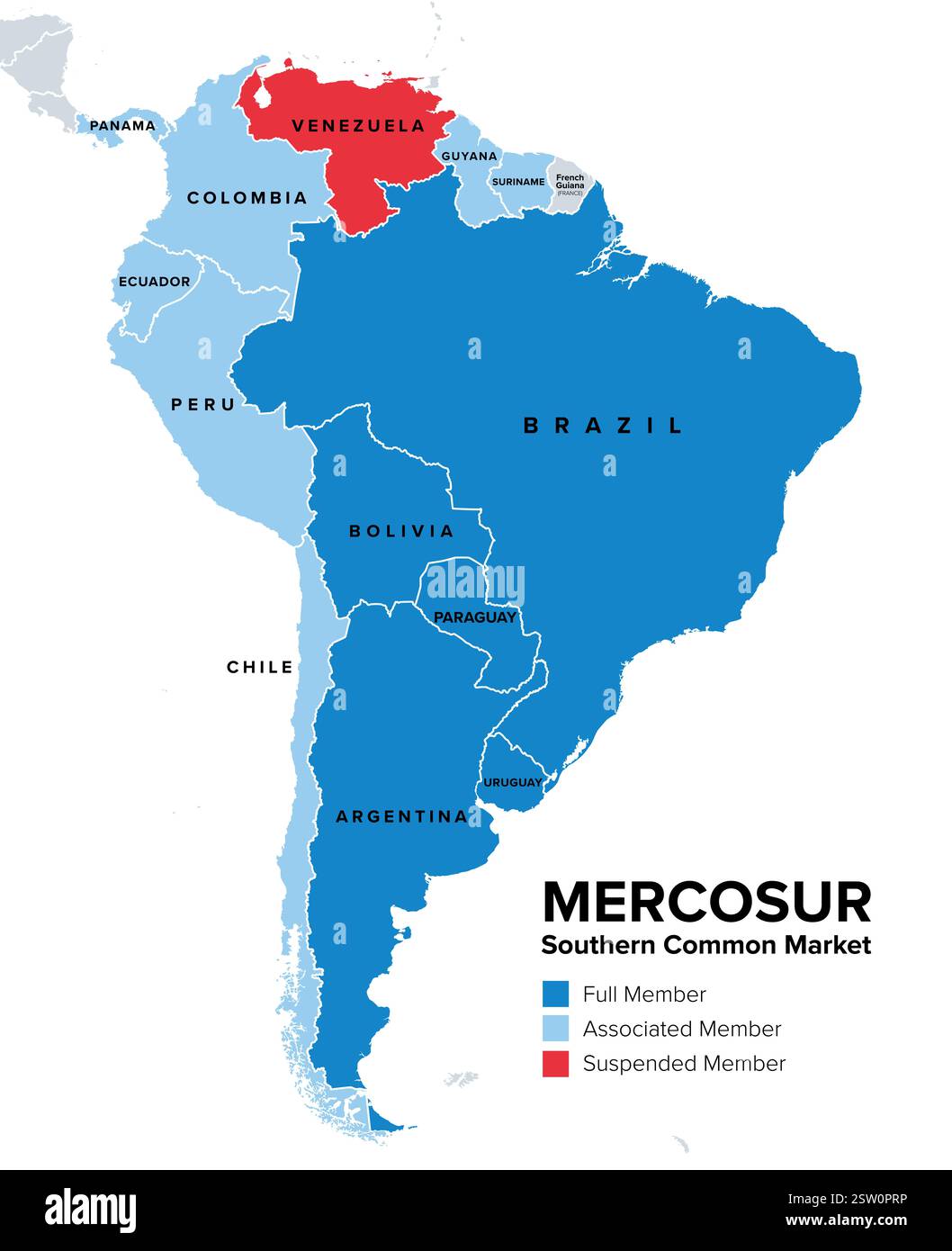
- Agricultural exposure: The Mercosur region—encompassing Brazil, Argentina, and Paraguay—produces nearly 40% of the world’s soybeans. El Niño’s erratic rainfall patterns could reduce yields by 10–15%, according to the Brazilian Agricultural Research Corporation (Embrapa), potentially disrupting global supply chains.
To mitigate risks, Brazil’s Civil Defense Agency (DECEM) has activated a national emergency response plan, deploying additional monitoring teams and coordinating with state governments. “We’re not just reacting—we’re trying to anticipate,” said DECEM’s coordinator, Ana Clara Silva, during a press conference. The agency has also partnered with international organizations like the World Meteorological Organization (WMO) to refine forecasting models.
How Authorities Are Responding: Preparedness vs. Reality
The Brazilian government has taken steps to bolster resilience, but challenges remain. Key measures include:
- Early warning systems: CEMADEN has expanded its network of hydro-meteorological stations in high-risk areas, with real-time data accessible to local authorities via a public dashboard (CEMADEN’s monitoring portal). However, critics note that many rural communities lack reliable internet access to receive alerts.
- Infrastructure repairs: The federal government has allocated R$5 billion (approximately $1 billion) for flood mitigation projects, including dredging rivers and reinforcing levees. Yet, construction delays and corruption scandals in past contracts have raised concerns about timely execution.
- International aid: The U.S. Agency for International Development (USAID) and the European Union have pledged support, including funding for emergency shelters and food security programs. “Brazil’s response capacity is stretched thin,” said a USAID spokesperson, emphasizing the need for coordinated global assistance.
On the ground, however, many residents express skepticism. “They told us to prepare for the floods last year, and look what happened,” said Maria Rodrigues, a resident of Cachoeirinha, a municipality near Porto Alegre, in an interview with Agência Brasil. “Now they say El Niño is coming, but where’s the proof it won’t be worse?”
What Happens Next: Key Dates and Uncertainties
The next critical period begins in November 2024, when meteorologists expect El Niño’s peak intensity to coincide with Brazil’s rainy season. Authorities have set the following benchmarks:
- November 15, 2024: CEMADEN will release its first detailed forecast for the southern region, including predicted rainfall maps and flood risk zones.
- December 1, 2024: The Brazilian Senate is scheduled to review emergency funding requests from affected states, with debates expected to focus on corruption risks in public works contracts.
- January 2025: The WMO will publish its global El Niño update, which may influence Brazil’s agricultural policies and export strategies.
Uncertainties remain, particularly around the duration of El Niño’s effects. While most models predict a decline by mid-2025, some scientists warn that the phenomenon could persist longer than expected, as seen in the 2015–2016 event, which lasted 18 months and caused widespread droughts in Southeast Asia and Africa.
Who Is Most at Risk? Vulnerable Groups in the Crosshairs
El Niño’s impacts will disproportionately affect specific populations:
- Indigenous communities: The Guarani and Kaingang peoples in southern Brazil rely on seasonal rivers for fishing and agriculture. Droughts or floods can disrupt their food sources. The National Indigenous Foundation (FUNAI) has warned that at least 12 indigenous territories in Rio Grande do Sul are at high risk.
- Migrant workers: Seasonal agricultural laborers, many of whom are from northeastern Brazil or neighboring countries like Bolivia and Paraguay, often live in precarious conditions. The International Organization for Migration (IOM) reports that these workers are frequently the last to receive evacuation notices.
- Elderly and disabled: A 2023 study by the Oswaldo Cruz Foundation (Fiocruz) found that 40% of flood-related fatalities in southern Brazil involved individuals over 60 or with mobility impairments, due to difficulties in evacuating.
Humanitarian organizations are scaling up preparedness efforts. The Brazilian Red Cross has trained over 5,000 volunteers in emergency response protocols, while Oxfam is distributing water purification tablets and solar-powered charging stations to remote communities. “The difference between survival and tragedy often comes down to having a plan—and the resources to act on it,” said Oxfam’s Brazil director, João Pedro Stedile.
Global Connections: How El Niño in Brazil Affects the World
Brazil’s agricultural output is a critical variable in global markets. With El Niño threatening crops, analysts are already eyeing potential ripple effects:
- Food prices: Brazil is the world’s top exporter of coffee, sugar, and soybeans. A 10% reduction in soybean yields—predicted by Embrapa—could drive prices up by 15–20%, according to the International Food Policy Research Institute (IFPRI).
- Energy markets: Hydroelectric dams, which supply 60% of Brazil’s electricity, may face reduced output if rivers shrink due to drought. The National Electric Energy Agency (ANEEL) has already issued warnings about potential blackouts in southern states.
- Climate diplomacy: Brazil’s ability to meet its Paris Agreement targets—particularly in deforestation reduction—could be tested if El Niño leads to increased land clearing for agriculture. The country’s National Climate Council has flagged this as a “high-risk scenario.”
Meanwhile, neighboring countries are monitoring the situation closely. Argentina, which shares Brazil’s Mercosur market, has activated its own drought contingency plans, while Paraguay’s Ministry of Agriculture has urged farmers to diversify crops to offset potential losses.
What Readers Need to Know
- El Niño is expected to bring extreme rainfall to southern Brazil, with peak risks between November 2024 and January 2025.
- Regions like Rio Grande do Sul, still recovering from 2024’s floods, face compounded dangers due to saturated soil and weakened infrastructure.
- Brazil’s government has allocated emergency funds but faces delays in infrastructure repairs and corruption concerns.
- Vulnerable groups—indigenous communities, migrant workers, and the elderly—are at highest risk of displacement or harm.
- Global markets, particularly food and energy sectors, could see price volatility due to reduced Brazilian agricultural output.
The next official update on El Niño’s trajectory will come from CEMADEN on November 15, 2024, with detailed regional forecasts. In the meantime, residents in high-risk areas are advised to:
- Sign up for local emergency alerts via CEMADEN’s alert system.
- Prepare emergency kits with water, non-perishable food, and first-aid supplies.
- Identify evacuation routes and safe zones in their communities.
This story is developing. For real-time updates, follow CEMADEN’s official reports and Agência Brasil. Share your experiences or concerns in the comments below—your insights may help others prepare.
Related reading