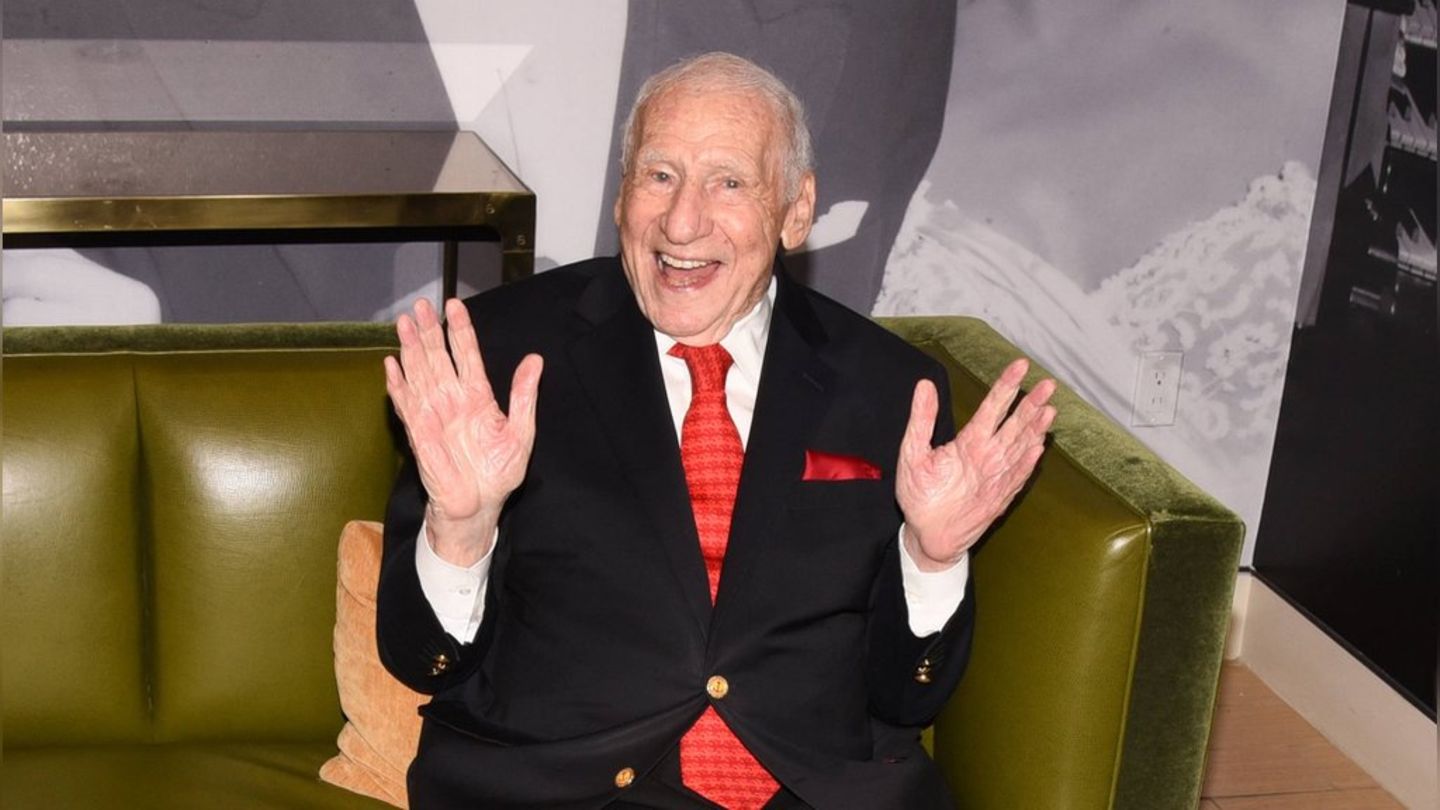
Mel Brooks, the legendary filmmaker, comedian, and EGOT winner, celebrates his 98th birthday on June 28, 2024, marking nearly a century of influence on global comedy. Known for his fearless approach to satire, Brooks remains a pivotal figure in entertainment, having bridged the gap between classic Borscht Belt humor and modern cinematic parody. According to the Encyclopedia Britannica, Brooks’ career spans over seven decades, during which he redefined how audiences engage with sensitive social topics through the lens of absurdity.
A Legacy Built on Satire and Subversion
Born Melvin Kaminsky in Brooklyn, New York, in 1926, Brooks rose to prominence as a writer for Sid Caesar’s Your Show of Shows before pivoting to film. His directorial debut, The Producers (1967), won the Academy Award for Best Original Screenplay, establishing a template for his future work: taking taboo subjects—such as Nazism in The Producers or racial prejudice in Blazing Saddles—and dismantling them with irreverent, high-energy humor. The Academy of Motion Picture Arts and Sciences confirms that Brooks has remained a titan of the industry, consistently using laughter as a tool to expose the ridiculousness of hate.
His impact on the genre of parody is perhaps most visible in his 1987 science fiction spoof, Spaceballs. By lampooning the massive cultural phenomenon of the Star Wars franchise, Brooks proved that no property was too sacred for his comedic touch. Characters like Lord Helmet, a direct subversion of Darth Vader, highlighted the commercialism and tropes that defined the blockbuster era of the 1980s. This film, along with Young Frankenstein and High Anxiety, solidified his status as a master of the genre, influencing generations of comedians who followed in his footsteps.
Why Mel Brooks’ Humor Remains Relevant
The endurance of Brooks’ work lies in its refusal to age, a quality often attributed to his focus on character-driven gags rather than purely topical references. While the cultural context around his films has shifted since the 1970s, the underlying structures of his jokes—based on classic vaudeville timing and physical comedy—remain effective. According to an assessment by the British Film Institute, Brooks’ ability to balance sophisticated wit with low-brow slapstick is a rare skill that has allowed his filmography to retain its appeal across multiple generations of viewers.

Furthermore, Brooks’ transition to Broadway with the musical adaptation of The Producers in 2001 set a new standard for commercial success in theater. The production won a record-breaking 12 Tony Awards, as documented by the Tony Awards official archive. This achievement demonstrated that his comedic vision was not limited to the silver screen, allowing him to reach audiences who might have missed his mid-century cinematic output.
The Cultural Impact of “Spaceballs” and Beyond
In recent years, the conversation surrounding a potential sequel to Spaceballs has resurfaced, keeping the film in the public consciousness. While Brooks has often joked about the possibility of a follow-up titled Spaceballs 2: The Search for More Money, the cultural footprint of the original remains immense. Fans often point to his willingness to break the fourth wall as a precursor to modern meta-humor found in contemporary films like Deadpool.
His influence is also felt in his commitment to producing the works of others, including his long-standing support for David Lynch’s The Elephant Man, which Brooks produced under his Brooksfilms banner. This move, which seemed incongruous with his comedic brand at the time, showcased his deep respect for serious narrative filmmaking and his versatility as a producer.
Looking Toward the Future
As Mel Brooks enters his 99th year, his legacy is firmly cemented as one of the most significant contributors to American humor. His continued presence in public life, including his 2023 memoir All About Me!, serves as a reminder of his sharp wit and his enduring role as a storyteller. For those interested in his ongoing projects or archival footage, the Library of Congress preserves several of his classic works as part of the National Film Registry, ensuring that his contributions to American culture remain accessible for future study.
As of June 2024, there are no new film projects officially announced, though Brooks continues to engage with his audience through social media and public appearances. Whether he is being honored at the Kennedy Center or simply sharing anecdotes from his storied past, his voice remains a vital part of the global entertainment landscape. Readers are encouraged to share their favorite Mel Brooks memories in the comments below.
Keep reading