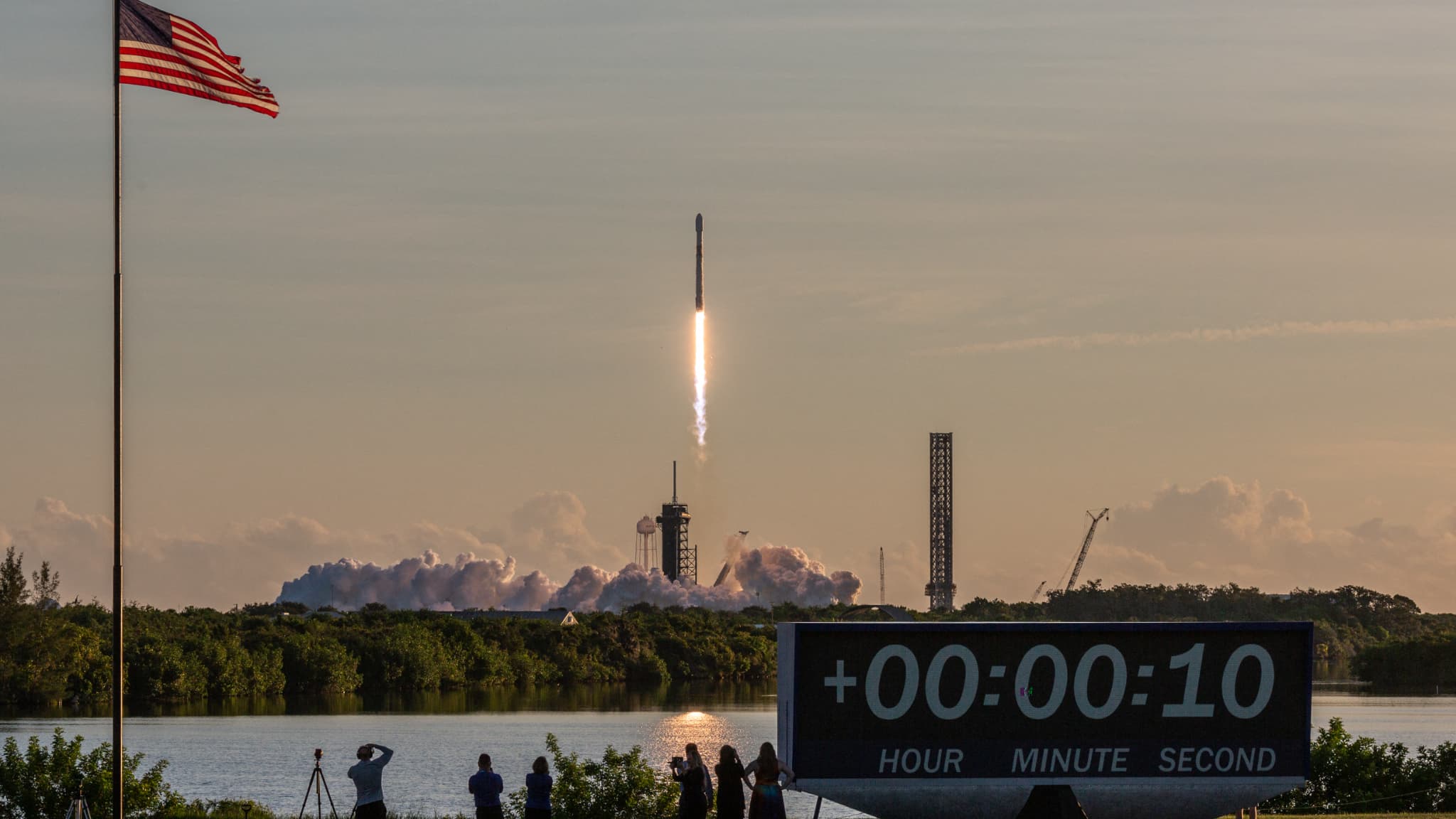
SpaceX, the aerospace manufacturer led by Elon Musk, remains a private entity, despite persistent market speculation regarding a potential initial public offering (IPO). While investor interest in purchasing shares of the company continues to climb, no official filing with the U.S. Securities and Exchange Commission (SEC) has confirmed a transition to public markets, according to current corporate records and official regulatory filings available through the SEC EDGAR database.
The persistent rumors surrounding a SpaceX IPO often stem from the company’s massive valuation, which reached approximately $210 billion following a tender offer completed in mid-2024, as reported by Reuters. Unlike a traditional IPO, where a company issues new shares to raise capital on a public exchange, a tender offer allows existing shareholders—often employees and early investors—to sell their holdings to institutional buyers at a set price. This mechanism provides liquidity without the stringent public disclosure requirements mandated by the Securities Act of 1933.
Understanding the Mechanics of Private Equity
For individual investors, the distinction between a private company and a public one is critical. SpaceX operates as a private corporation, meaning its equity is not traded on national exchanges like the New York Stock Exchange or the Nasdaq. Access to such assets is typically restricted to accredited investors or through specialized private equity funds. According to guidance from the U.S. Securities and Exchange Commission, an accredited investor must meet specific net worth or income thresholds to participate in private placements, a safeguard designed to protect retail investors from the risks associated with less liquid assets.

Market analysts note that the “dream” often associated with SpaceX—the development of the Starship launch vehicle and the expansion of the Starlink satellite internet constellation—carries significant capital expenditure requirements. As of the latest financial disclosures, SpaceX continues to prioritize long-term infrastructure development over the quarterly profit-reporting cycles that characterize public companies. The company’s ability to secure multi-billion dollar contracts with the U.S. government, including the National Aeronautics and Space Administration (NASA), provides a stable revenue stream that currently mitigates the immediate need for public market capital.
The Reality of Retail Investment Access
Recent reports suggesting that retail investors can easily purchase SpaceX stock through online banking platforms often conflate direct ownership with indirect exposure. While some brokerage firms may offer access to secondary markets or private equity funds that hold SpaceX stock, these instruments often carry high management fees and significant entry barriers. Retail investors seeking exposure to the space sector frequently turn to exchange-traded funds (ETFs) that track aerospace and defense indices. However, it is essential to verify the specific holdings of any fund, as many aerospace ETFs are heavily weighted toward established government contractors like Lockheed Martin or Northrop Grumman, which have different risk profiles than a vertically integrated startup like SpaceX.

Potential investors should remain cautious of platforms promising “pre-IPO” shares. The Financial Industry Regulatory Authority (FINRA) consistently warns that private placements are high-risk, speculative investments. Because these shares are not registered with the SEC, they lack the transparency and standardized financial reporting that investors rely on to make informed decisions. A lack of liquidity means that once capital is committed, it may be years before an investor can exit the position, regardless of the company’s performance or valuation changes.
Financial Risks and Market Volatility
Investing in the aerospace sector involves inherent technical and operational risks. SpaceX’s business model depends on the successful execution of complex missions, such as the deployment of Starlink satellites and the crewed exploration of the Moon and Mars. Any delay in launch schedules or technical failure can have immediate impacts on the company’s valuation in secondary markets. Unlike public companies, which must file 10-K and 10-Q reports detailing these risks, private companies are not required to provide the same level of public transparency.
Financial experts emphasize that the valuation of $210 billion is an estimate based on private transactions, not an audited market price. As noted by the Wall Street Journal, these tender offers provide a snapshot of investor sentiment but are subject to the volatility of private capital markets. When considering an investment in high-growth technology sectors, the primary risk is not just the potential for loss, but the lack of an exit strategy in the absence of a formal, regulated IPO.
Looking Ahead: What Signals to Watch
The primary signal of a transition to public markets would be a formal S-1 registration filing with the SEC. Until such a document is public, all claims regarding an imminent listing are speculative. Investors should monitor official announcements from SpaceX’s corporate communications office and filings on the SEC’s EDGAR system. For those interested in the broader space economy, the U.S. Space Force and NASA provide regular updates on mission progress and contract awards, which serve as more reliable indicators of the company’s operational health than market hearsay.
The complexity of the space industry requires a long-term investment horizon. While the allure of participating in the next phase of space exploration is significant, the fundamentals of financial risk management remain unchanged. Investors are encouraged to consult with a licensed financial advisor before allocating capital to private equity or speculative aerospace ventures. For real-time updates on market regulations and investor alerts, the SEC Newsroom remains the most authoritative source for verifying corporate activities.
We welcome your insights on the evolving landscape of the private space sector. Please share your thoughts in the comments section below.