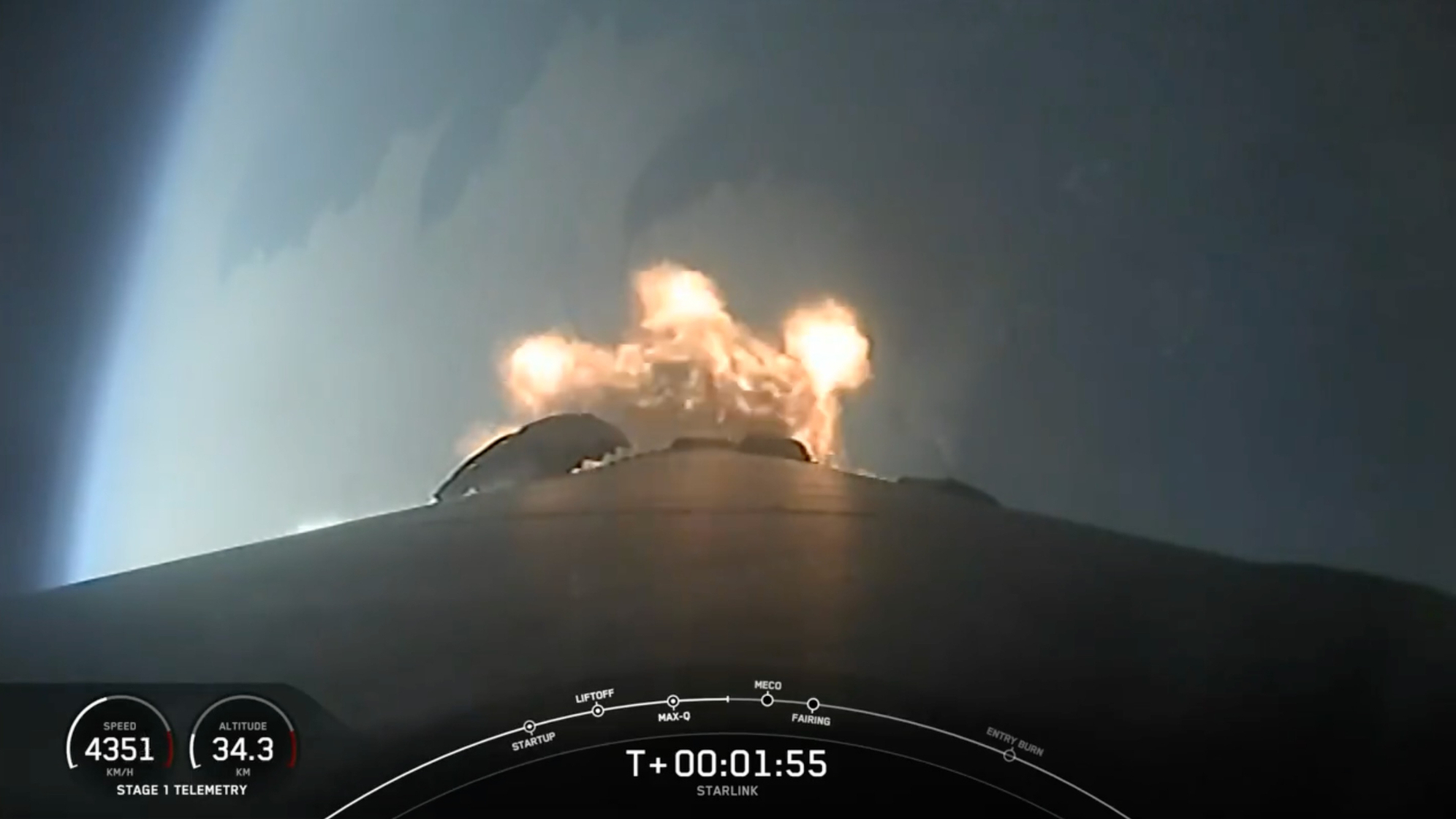
For decades, the Moon has served as a silent witness to the history of our solar system, its cratered surface acting as a celestial archive of cosmic collisions. However, the nature of these impacts is shifting. While the lunar landscape was once shaped exclusively by asteroids and comets, it is now becoming a repository for human-made hardware. In a stark illustration of this trend, a spent SpaceX Falcon 9 Moon impact is predicted to occur in the coming year, marking another instance where Earth’s industrial footprint extends beyond our own atmosphere.
The object in question is a discarded upper stage from a Falcon 9 rocket, a piece of machinery that served its purpose by delivering payloads into space before being left to drift in a wide, looping orbit. Unlike satellites that are decommissioned or redirected, this piece of orbital debris has followed a trajectory that leads directly toward the lunar surface. This event highlights a growing concern among astronomers and space agencies regarding the sustainability of lunar exploration and the long-term management of space debris.
As a physician and science journalist, I often view the health of our planet through the lens of environmental sustainability. The same principles apply to the “health” of our orbital environment. When we treat the vacuum of space as a limitless dumping ground, we create hazards not only for future missions but also for the pristine scientific record of other celestial bodies. The upcoming collision near the Einstein crater is more than just a curiosity for skywatchers; it is a reminder of the physical legacy we leave behind as we venture further into the cosmos.
The Trajectory of Object 2025-010D
The piece of debris, cataloged as 2025-010D, is the spent upper stage of the Falcon 9 rocket used during a mission on January 15, 2025. This specific launch was responsible for sending the Blue Ghost Mission 1, operated by Firefly Aerospace and the Hakuto-R lander toward the Moon. While the landers continued their journey to conduct science and commercial operations, the upper stage—the section of the rocket that carries the payload into its initial orbit—remained in a complex path through the Earth-Moon system.

According to calculations by astronomer Bill Gray of Project Pluto, who specializes in tracking high-orbiting space objects, this hardware has been observed over a thousand times. This extensive data set has allowed for a high degree of precision in predicting its eventual destination. The upper stage is expected to strike the lunar surface on August 5, 2026, at approximately 06:44 UTC. At the moment of impact, the debris will be traveling at a velocity of roughly 5,400 miles per hour, a speed sufficient to create a new, human-made crater on the Moon’s surface.
The mechanics of such an impact are straightforward but consequential. Because the Moon lacks an atmosphere to slow down incoming objects, there is no friction to burn up the debris upon entry. The rocket stage will hit the surface with its full kinetic energy, effectively acting as a man-made meteor. For those interested in the technical specifications of the launch vehicles involved, SpaceX provides detailed information on the Falcon 9’s multi-stage design, which allows for the shedding of empty fuel compartments to increase efficiency during ascent.
Targeting the Einstein Crater
The predicted crash site is located near the Einstein crater, situated close to the Moon’s western limb as viewed from Earth. The Einstein crater is a prominent feature on the sunlit near side of the Moon, often visible to amateur astronomers. While the impact will likely be too slight to be seen from Earth with the naked eye, the event remains scientifically significant. The Moon’s surface is an invaluable record of the early solar system, and the introduction of metallic alloys and synthetic materials from Earth-made rockets can potentially contaminate sites of scientific interest.
The timing of the impact—August 5, 2026—means the Moon will be slightly more than half illuminated. While the impact zone will be near the bright edge of the lunar disk, the lack of a visible flash from Earth is expected. Astronomers note that while the Moon has endured billions of years of cosmic bombardment, the shift toward human-made impactors introduces a different chemical signature to the lunar regolith. This “anthropogenic layering” is a phenomenon that planetary scientists are beginning to monitor as lunar traffic increases.
The Broader Threat of Space Debris
This event is a microcosm of a much larger problem: the proliferation of space debris. In Earth’s orbit, the “Kessler Syndrome”—a theoretical scenario where the density of objects in Low Earth Orbit (LEO) is high enough that a single collision could trigger a cascade of further collisions—remains a primary concern for global space agencies. However, the “trash” problem is now extending to the cislunar environment (the space between Earth and the Moon).
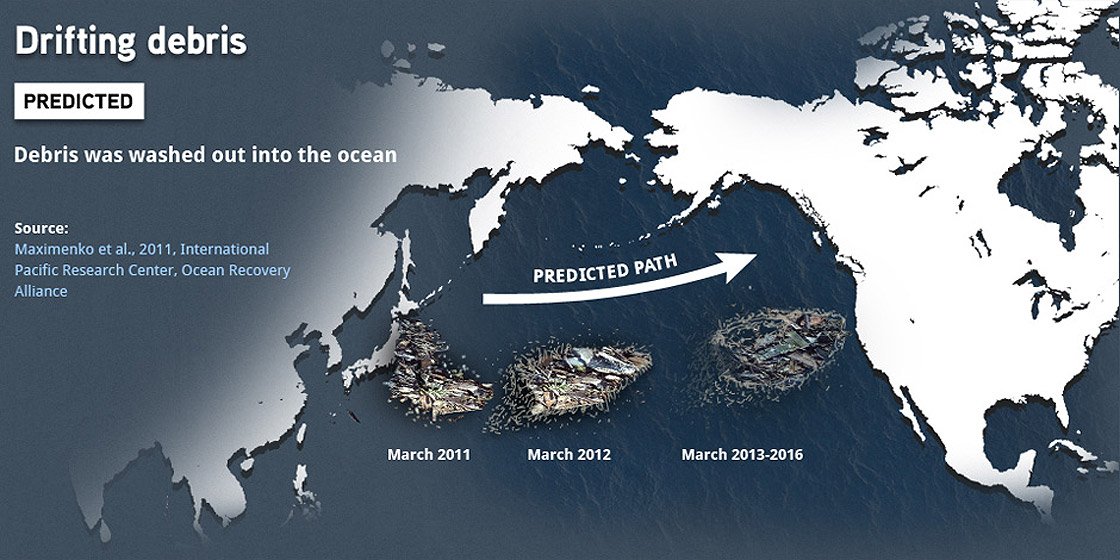
The accumulation of spent rocket stages, discarded fairings, and defunct satellites creates a hazardous environment for future lunar gateways and crewed missions. If a piece of debris were to strike a crewed module or a critical lunar installation, the results could be catastrophic. The NASA Orbital Debris Program Office tracks these risks extensively, emphasizing the need for international guidelines on the disposal of spacecraft and the mitigation of debris to ensure the long-term viability of space exploration.
The challenge lies in the lack of a centralized, enforceable regulatory body for “space cleaning.” While guidelines exist, the cost of actively removing debris—especially objects in high-energy orbits like the Falcon 9 stage—is often prohibitively expensive. Many objects are simply left to their natural orbital decay, which, in the case of 2025-010D, leads directly to the lunar surface.
Why This Matters for Global Science
From a public health and environmental perspective, the contamination of the Moon may seem trivial compared to the crises on Earth. However, the Moon serves as a “control group” for understanding the evolution of planetary bodies. When we introduce Earth-based pollutants—such as hydrazine fuels, lubricants, and heavy metals found in rocket stages—into the lunar environment, we risk compromising the integrity of future samples. If scientists wish to search for ancient water ice or organic compounds in lunar craters, the presence of human-made debris can create “false positives” or chemical interference.
the psychological impact of knowing that our waste now permanently marks another world is a catalyst for a broader conversation about “Space Ethics.” As private companies like Firefly Aerospace and SpaceX accelerate the pace of lunar landings, the responsibility for the entire lifecycle of the hardware—from launch to disposal—must become a primary design requirement rather than an afterthought.
Key Takeaways: The Falcon 9 Lunar Impact
- The Object: A spent Falcon 9 upper stage (Object 2025-010D) from a January 15, 2025, launch.
- The Date: Predicted impact on August 5, 2026, at approximately 06:44 UTC.
- The Location: Near the Einstein crater on the Moon’s near side.
- The Velocity: Estimated impact speed of 5,400 miles per hour.
- The Implication: Highlights the growing issue of anthropogenic debris in the cislunar environment.
Moving Toward Sustainable Exploration
To prevent the Moon from becoming a celestial junkyard, the international community is exploring several mitigation strategies. One approach is the implementation of “graveyard orbits,” where satellites and rocket stages are pushed into a stable orbit far away from active zones. Another is the development of active debris removal (ADR) technologies, such as robotic arms or magnetic tethers designed to capture and de-orbit waste.
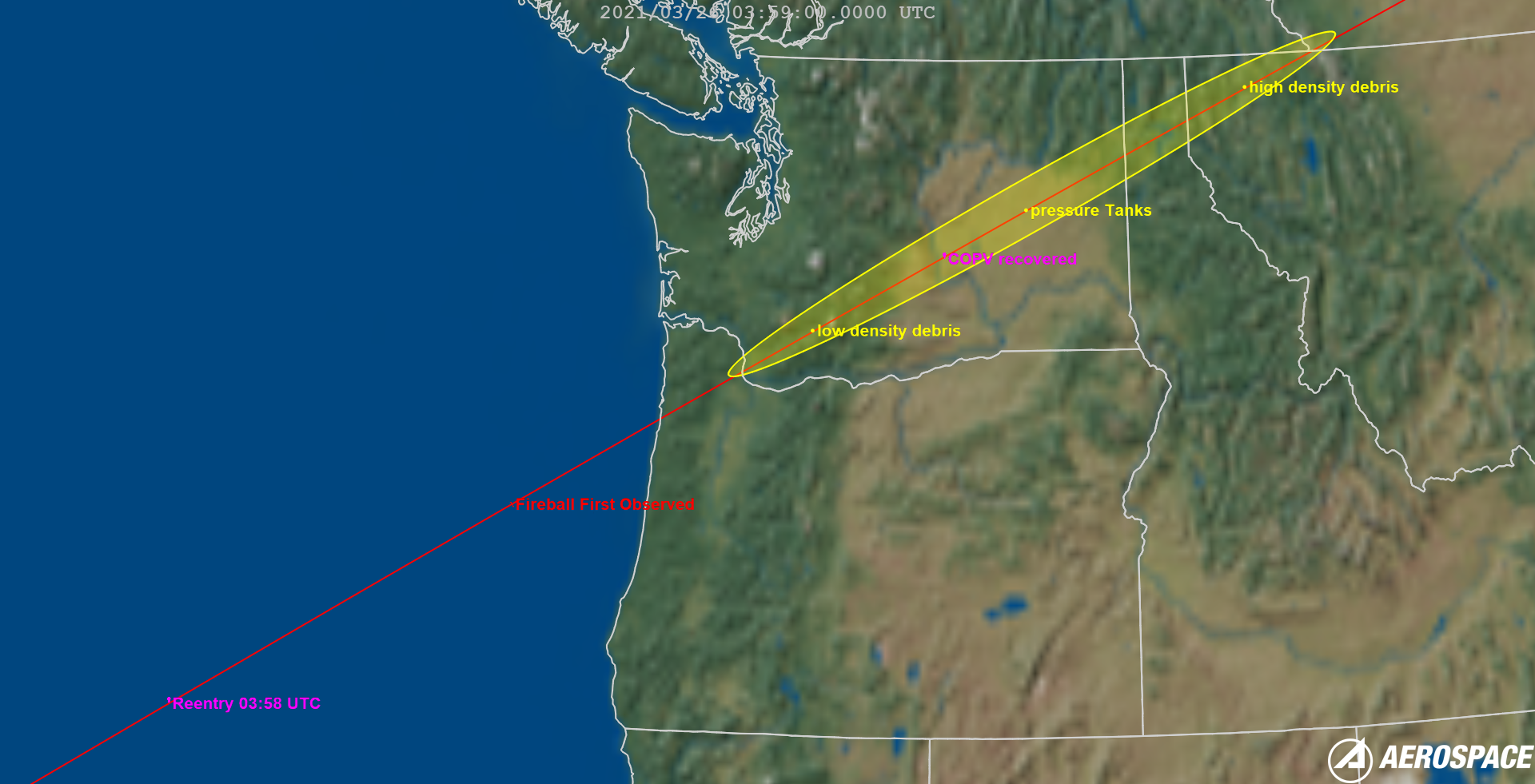
For the general public, this event serves as a reminder that our actions on Earth have echoes throughout the solar system. The transition from “exploring” space to “occupying” space requires a shift in mindset. We must move from a frontier mentality—where resources are infinite and waste is invisible—to a stewardship mentality, where the preservation of the lunar environment is viewed as a global responsibility.
The upcoming SpaceX Falcon 9 Moon impact is a singular event, but it represents a systemic trend. As we prepare for the Artemis missions and the establishment of permanent lunar bases, the management of orbital debris will transition from a technical niche to a critical safety and environmental mandate.
The next confirmed checkpoint for this event will be the updated orbital projections provided by Project Pluto as the object approaches the Moon in early 2026. These updates will refine the exact impact coordinates and timing.
Do you believe space agencies should be legally mandated to recover all hardware sent beyond Earth’s orbit? Share your thoughts in the comments below or share this article to join the conversation on space sustainability.