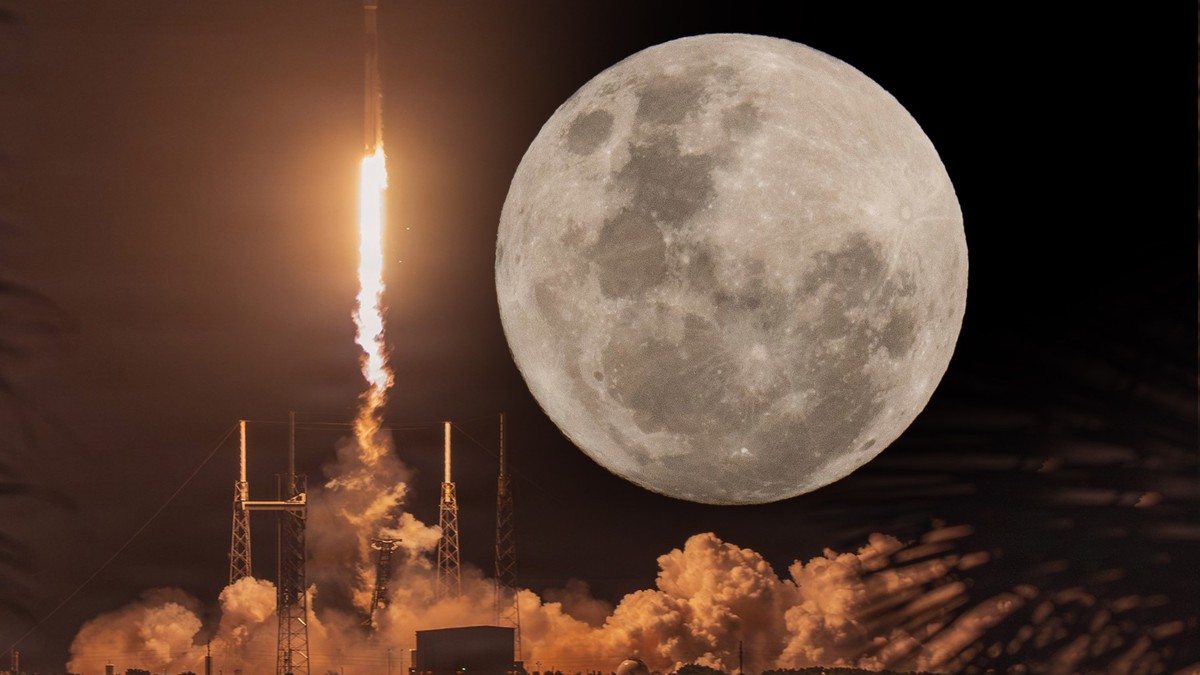
NASA confirmed the impact poses no danger to Earth, while astronomers tracked the collision near the Einstein crater to study lunar surface composition and improve orbital tracking.
A spent rocket part from a 2025 lunar mission collided with the Moon on August 5, 2026, delivering what astronomers describe as a unique, controlled cosmic experiment. The object, which measures the size of a five-story building and weighs more than four tons, made contact with the lunar surface near the Einstein crater at approximately 8:35 a.m., according to calculations from the U.S. National Aeronautics and Space Administration (NASA).
While the exact moment of impact is difficult to spot with standard equipment, a select group of advanced telescopes captured the flash generated as the massive piece of hardware met the lunar soil. The event marks the culmination of an 18-month journey through space, shaped by the gravitational pulls of Earth, the Sun, and the Moon after the hardware launched from Florida in January 2025.
Mission Origins and the 18-Month Journey to the Moon
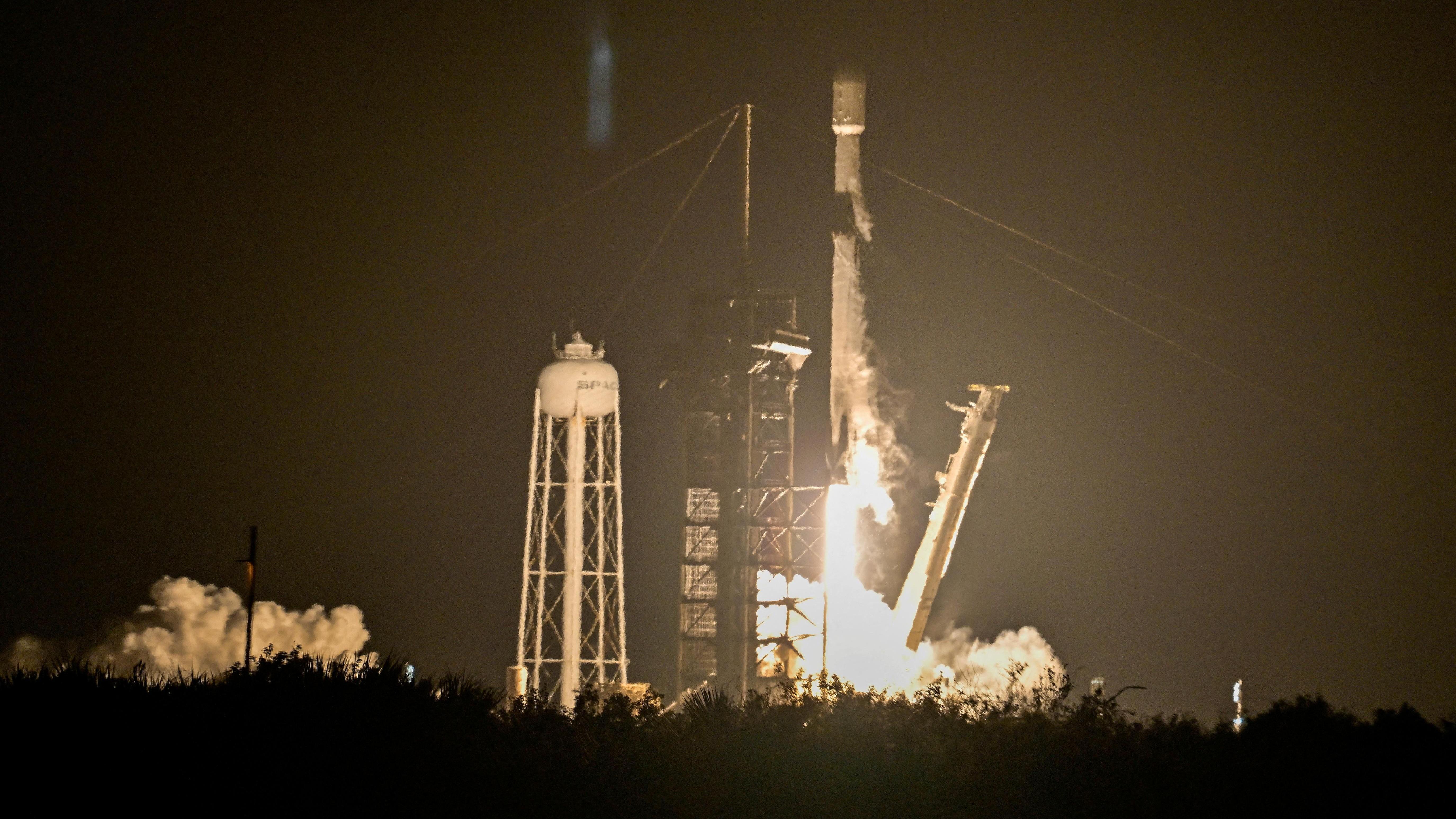
The object is the front part of a Falcon 9 rocket built by SpaceX, the aerospace company owned by billionaire Elon Musk. Originally launched from the Kennedy Space Center in Florida during a joint American-Japanese mission in January 2025, the rocket carried two spacecraft designed to land on the lunar surface.
The launch proceeded as planned, successfully delivering enough forward thrust to push the landing craft out of Earth’s orbit. Once that objective was achieved, the part drifted on an extended trajectory. One of the mission’s accompanying spacecraft traveled along its orbit at a speed of 2.43 kilometers per second before the spent part eventually intersected with the Moon’s path after an 18-month transit.
Scientific Value and Observations from the Impact Zone
Unlike random meteorite strikes, which scientists observe without prior knowledge of the impacting body’s mass or velocity, researchers possessed precise data regarding this collision. The part struck a sunlit portion of the Moon near the Einstein crater, a region visible from Earth.
Astronomers plan to compare high-resolution imagery of the lunar surface taken before and after the event. By analyzing the resulting flash and the newly created crater, researchers aim to gather data on the composition of the lunar crust and gain fresh insights into how the planetary system evolved.
The impact with the Moon is truly a big deal. It is not dangerous from our distance, we can just watch the show. Met Botvel, University of Cambridge astronomer, via BBC
Jimmy Russell, a spokesperson for NASA, confirmed that the agency is monitoring the effects of the collision for scientific research while emphasizing that there is no danger to Earth. Scientists intend to use the observed data to establish new tracking principles for objects moving through deep space.
Orbital Debris Concerns for Future Decades
While the lunar impact offers a controlled setting for planetary science, researchers highlight a growing challenge closer to home. Falcon 9 rockets are partially reusable systems designed to return stages safely to Earth, but leftover components and spent hardware frequently remain trapped in Earth’s orbit unless directed away.
Experts warn that orbital congestion is accelerating. As space agencies and private companies ramp up launch schedules, managing spent hardware will become increasingly critical.
It is a nice and precise experiment on the Moon, but in a couple of decades it could become very difficult to navigate through Earth’s orbit as that space will be overcrowded with spacecraft. Met Botvel, University of Cambridge astronomer, via BBC
Specialized telescopes continue to process telemetry and optical data to confirm the final visual markers of the impact site, offering a rare look at artificial debris interacting with a natural planetary body.
- How to Use Windows Clipboard History: The Best Copy and Paste Shortcut
- Beast of Reincarnation Review: Is This the Start of a New Franchise?
- U.S. stock futures rise after record Wall St close; SpaceX, AMD dip post earnings (archyde.com)
- Russian Missile and Drone Strikes Kill at Least 14 in Kyiv Region (archyworldys.com)