
SpaceX has reached a valuation of approximately $210 billion following a recent tender offer, solidifying its position as the most valuable private company in the United States. This surge in market capitalization has significantly impacted the financial standing of its workforce, including specialized AI engineers and long-term employees who participate in the company’s equity compensation programs. As the aerospace firm continues to dominate the commercial launch sector, the accumulation of wealth among its staff has drawn increased scrutiny from financial analysts and the broader technology sector, according to data confirmed by Reuters.
The company’s ability to attract top-tier technical talent—including engineers specializing in artificial intelligence and machine learning—is frequently attributed to its unique compensation structure, which relies heavily on stock options rather than solely on base salary. While SpaceX remains privately held, these periodic tender offers allow employees to liquidate portions of their holdings, effectively providing a liquidity event similar to a public market exit for those holding significant equity. This mechanism has transformed early-stage employees, including those in manufacturing and technical support roles, into high-net-worth individuals, according to reports from Bloomberg.
Equity Compensation and the AI Talent War
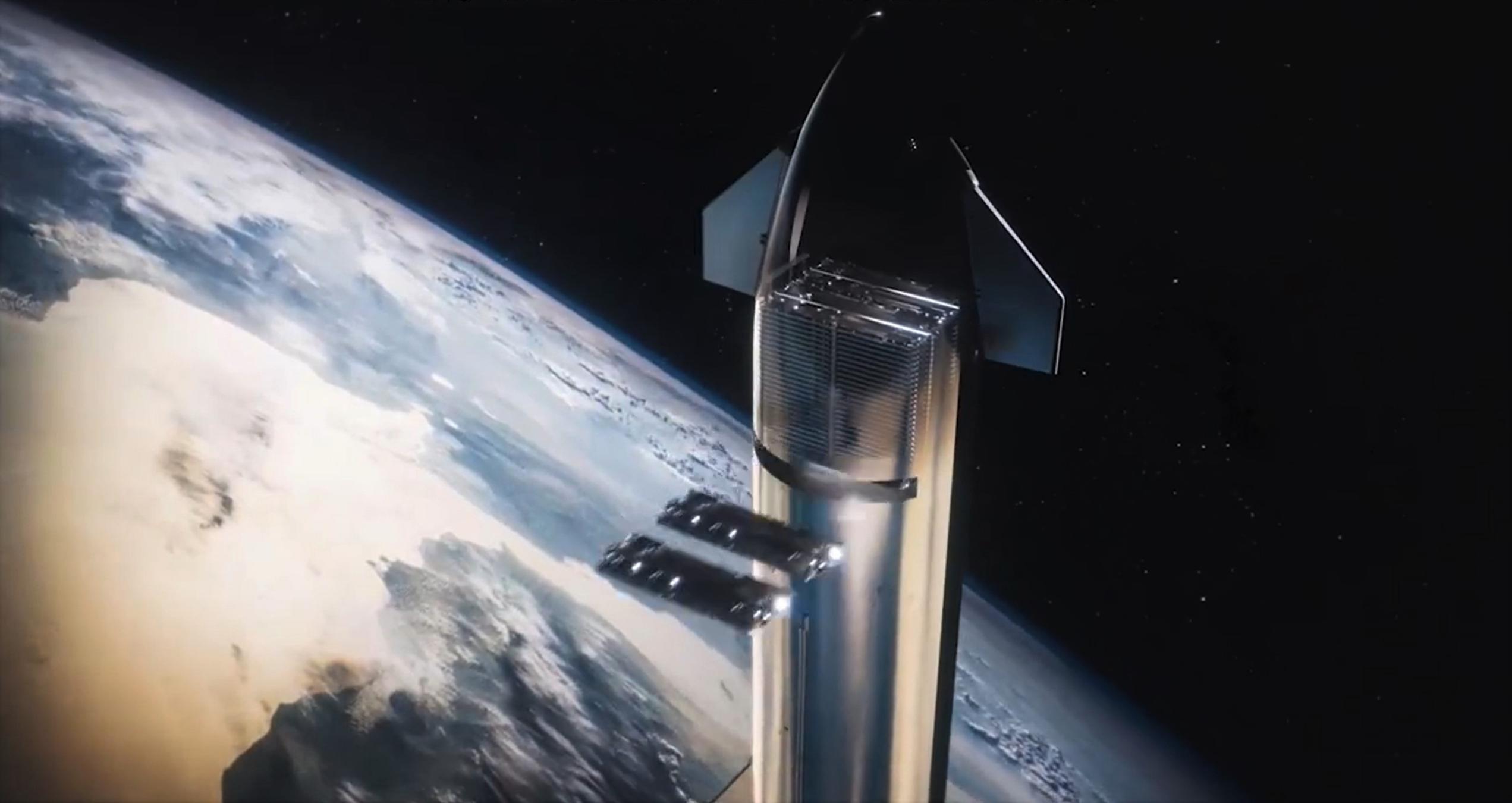
The aerospace industry is currently competing directly with Silicon Valley for experts in autonomous systems and generative AI, fields essential to the development of Starship and the Starlink satellite constellation. By offering equity in a company that has seen its valuation climb from $180 billion in late 2023 to over $210 billion by mid-2024, SpaceX creates a powerful incentive for engineers to prioritize long-term growth over immediate cash compensation. This strategy is critical for maintaining a competitive edge in a labor market where AI specialists are in high demand, as noted in recent market analysis by CNBC.
Employees generally receive stock options as part of their hiring packages, with vesting schedules that encourage long-term retention. Unlike traditional public companies where stock price volatility can lead to “underwater” options, the consistent upward trajectory of SpaceX’s valuation has turned these instruments into significant wealth generators. This model has proven particularly effective for attracting international talent, including engineers from diverse technical backgrounds who see the company’s rapid scaling as a unique opportunity for both professional impact and personal financial gain.
Market Dynamics and Future Projections
The financial scale of SpaceX has led to ongoing speculation regarding a potential Initial Public Offering (IPO). However, company leadership, including CEO Elon Musk, has historically maintained that the firm’s long-term objectives, such as the colonization of Mars, are better served outside the quarterly reporting requirements of public markets. Despite this, the secondary market for SpaceX shares has become a barometer for investor confidence in the private space sector, with the $210 billion figure serving as a benchmark for other aerospace startups.

The “wealth effect” generated by these valuations is not limited to executive leadership. Because the company employs thousands of workers across its Starbase in Texas and its headquarters in California, the distribution of wealth through equity is broad-based. For the average engineer or technician, the ability to sell shares during tender offers provides a level of financial flexibility rarely seen in the traditional aerospace industry, which has historically been characterized by static salary structures and limited employee-ownership opportunities.
Operational Challenges Behind the Valuation
While the financial success of SpaceX is well-documented, the company faces significant operational hurdles that keep its valuation in constant flux. The development of the Starship launch system remains the primary driver of the company’s current market value, with successful test flights directly impacting investor sentiment and subsequent tender offer pricing. According to regulatory filings from the Federal Aviation Administration (FAA), every launch requires rigorous safety and environmental compliance, which introduces inherent risks to the company’s operational timeline and, by extension, its valuation.
The reliance on a single, high-stakes project like Starship means that the financial rewards for employees are tightly coupled with the company’s engineering successes. When a flight test meets its objectives, the secondary market price for SpaceX stock typically stabilizes or increases; conversely, technical setbacks can lead to temporary stagnation in share value. This creates a high-pressure environment where the financial future of the workforce is directly linked to the technical performance of the hardware they build.
Looking Ahead: The Next Financial Milestone
The next major checkpoint for SpaceX investors and employees will be the company’s next scheduled tender offer, which typically occurs at intervals determined by the board of directors. While no specific date for the next liquidity event has been announced, market observers continue to monitor regulatory updates and launch successes as indicators of when a new valuation assessment might occur. Interested parties can follow official updates via the SpaceX news portal, which provides the most accurate information regarding mission progress and company developments.

As the aerospace sector continues to evolve, the case of SpaceX serves as a notable example of how private equity can be used to align the interests of technical staff with those of the company’s long-term mission. Whether this model remains sustainable as the company matures will be a key point of interest for labor economists and market analysts in the coming years. Readers are encouraged to share their perspectives on the role of equity compensation in the modern space industry in the comments section below.
Keep reading
- Ukraine’s Strategic Battle to Win Over Trump and the MAGA Movement
- Delta Air Lines Permanently Cancels Three Direct JFK Routes to Key US Destinations
- France and Italy Tighten Borders After Massive Migrant Surge in Ceuta (time.news)
- France Megafire: Exhausted Firefighters Battle Massive Bordeaux Blaze (newsdirectory3.com)