
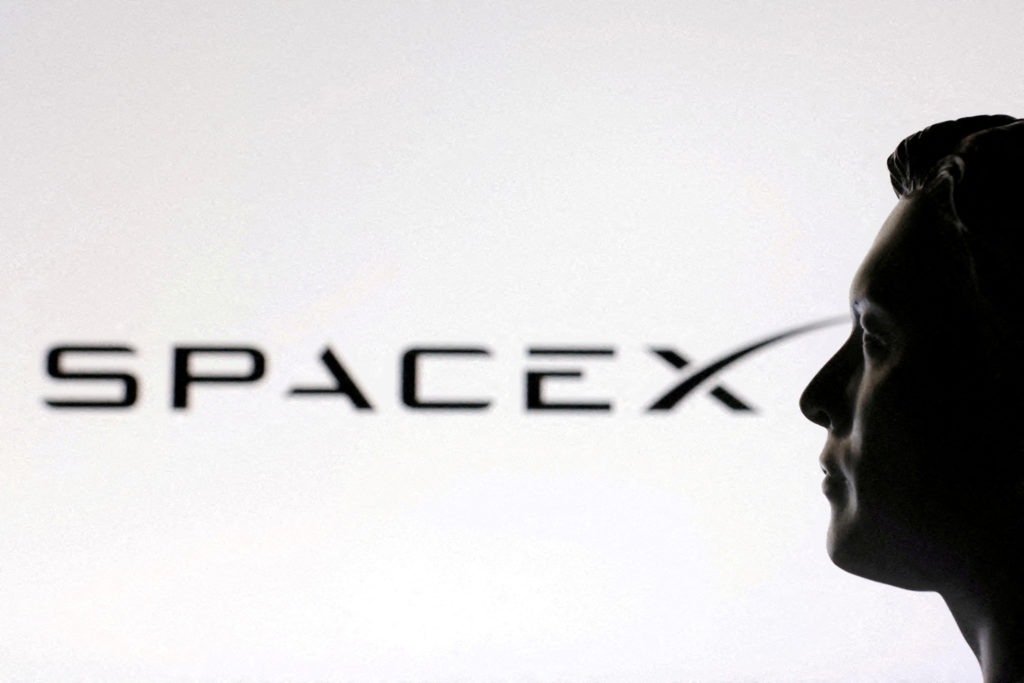
Speculation surrounding a potential SpaceX initial public offering (IPO) has intensified recently, though reports suggesting an imminent $75 billion public debut this month remain unverified by official corporate filings. While the aerospace giant led by Elon Musk continues to reach new milestones in orbital launch capability, the company has maintained a private ownership structure, leaving market analysts and investors to parse through private valuation updates rather than public stock exchange data.
The aerospace sector is closely monitoring the financial trajectory of Space Exploration Technologies Corp., commonly known as SpaceX, as it continues to dominate the commercial launch market. According to recent reports from Reuters, the company reached a valuation of approximately $210 billion following a tender offer earlier in 2024. This massive private valuation underscores the company’s significant market share in satellite deployment and government contracting, yet it differs sharply from the unverified claims regarding a $75 billion IPO figure currently circulating in some media circles.
Understanding the SpaceX Valuation Landscape
For investors and industry observers, the distinction between a private tender offer and a public stock market debut is critical. SpaceX has historically utilized private funding rounds to fuel its ambitious projects, including the development of the Starship launch vehicle. By remaining private, the company avoids the stringent quarterly reporting requirements mandated by the U.S. Securities and Exchange Commission (SEC) for publicly traded entities. Official information regarding company financials and governance can be tracked through the U.S. Securities and Exchange Commission EDGAR database, where any future registration statements would be required to be filed well in advance of a public offering.
The narrative suggesting that Elon Musk is on a direct path to becoming the world’s first trillionaire is often linked to his combined holdings in Tesla, SpaceX, and other ventures. While Musk’s net worth fluctuates based on equity valuations, Bloomberg’s Billionaires Index tracks these shifts in real-time. It is essential to note that a company’s valuation does not translate directly into personal liquidity for its founder, and any projection regarding a trillion-dollar milestone remains speculative, contingent on future market performance and regulatory environments.
Market Dynamics and Aerospace Expansion
SpaceX’s primary revenue drivers include the Falcon 9 launch vehicle, which has become the workhorse of the global satellite industry, and the rapidly expanding Starlink constellation. The success of the Starlink network—a satellite-based internet service—has been a major factor in the company’s rising valuation. As of mid-2024, Starlink has deployed thousands of satellites into low-Earth orbit, providing high-speed internet access to remote regions globally. Detailed information regarding satellite deployment permits and orbital filings can be found via the Federal Communications Commission (FCC) licensing portal.
Should the company eventually decide to pursue an IPO, it would represent a landmark event for the capital markets, potentially eclipsing historical records for technology sector debuts. However, such a move would require a significant shift in corporate strategy. Musk has previously expressed caution regarding the pressures of public markets, noting that the long-term nature of space exploration projects—such as the mission to colonize Mars—is often at odds with the short-term earnings expectations of public shareholders.
Key Considerations for the Aerospace Sector
Investors looking for exposure to the space economy currently have limited avenues, as the industry remains dominated by private firms or large, diversified aerospace conglomerates. The potential for a SpaceX IPO remains a recurring topic of conversation, but until an official S-1 filing is submitted to the SEC, any reports of specific dates or amounts should be treated with skepticism. The following table outlines the current status of key metrics often discussed in relation to the company’s growth:
| Metric | Current Status |
|---|---|
| Company Structure | Private (Space Exploration Technologies Corp.) |
| Latest Reported Valuation | ~$210 Billion (June 2024) |
| Primary Revenue Sources | Commercial Launches, Starlink, Government Contracts |
| Regulatory Oversight | FAA, FCC, SEC (for potential future filings) |
The aerospace industry continues to watch the development of the Starship rocket, which is intended to be the most powerful launch vehicle ever built. Successful test flights of this vehicle are expected to further solidify SpaceX’s position as a critical infrastructure provider for both NASA and private commercial entities. Updates on launch schedules and flight test results are routinely posted by the company on its official corporate website.
As the conversation around a potential market debut continues, it is vital for international readers to rely on verified documentation. Market rumors often circulate regarding high-profile companies, but for the global audience, the most reliable indicators of change will be formal announcements from the company’s leadership or mandatory regulatory filings. We will continue to monitor the situation and provide updates as verified information regarding the company’s financial structure becomes available.
What are your thoughts on the future of commercial space flight and its impact on global financial markets? We encourage our readers to share their analysis and join the discussion in the comments section below. Stay tuned to World Today Journal for further developments on this evolving story.