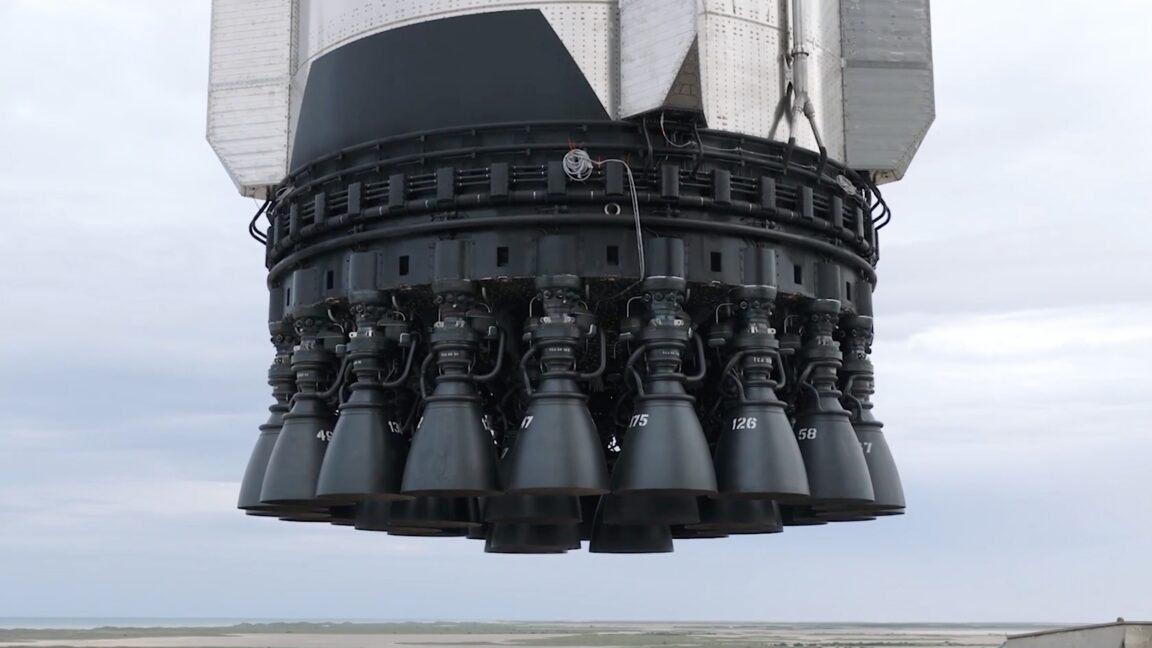
SpaceX is preparing for the next integrated flight test of its Starship launch vehicle. The company has targeted a launch window opening at 5:45 p.m. CDT (22:45 UTC) on Thursday. This upcoming mission will focus on testing the spacecraft’s payload deployment capabilities in an active environment.
Mission Objectives and Starlink Integration
The primary technical evolution for this flight involves the integration of 20 Starlink Version 3 satellites inside the Starship cargo bay. While previous flight tests utilized mass simulators to mimic the dimensions and weight of these next-generation broadband units, this mission involves functional hardware. According to company documentation, these satellites are not intended to join the operational Starlink constellation; rather, they serve as a platform for engineers to validate the mechanical deployment system.

The deployment mechanism utilizes a series of pulleys and cables designed to eject the satellites one at a time through an aperture on the side of the spacecraft. A critical objective of this test is the attempt to establish laser-based communication links between the onboard Starlink V3 units and existing satellites currently in orbit. Success in this area would demonstrate the interoperability of the new hardware with the established Starlink network.
Flight Profile and Technical Expectations
Much of the flight profile for this mission mirrors the architecture of the previous test flight conducted in May. The Super Heavy booster and the Starship upper stage will follow a trajectory. The mission duration is expected to last approximately one hour.
Regulatory and Safety Protocols
As with all experimental flight hardware, the schedule remains subject to change based on weather conditions at the launch site or potential technical holds identified during the final countdown sequence.
As the aerospace industry watches the development of the Starship program, the focus remains on the transition from experimental testing to operational capability. Further updates regarding the outcome of this flight will be provided as the mission concludes and post-flight data analysis is performed by SpaceX engineering teams.