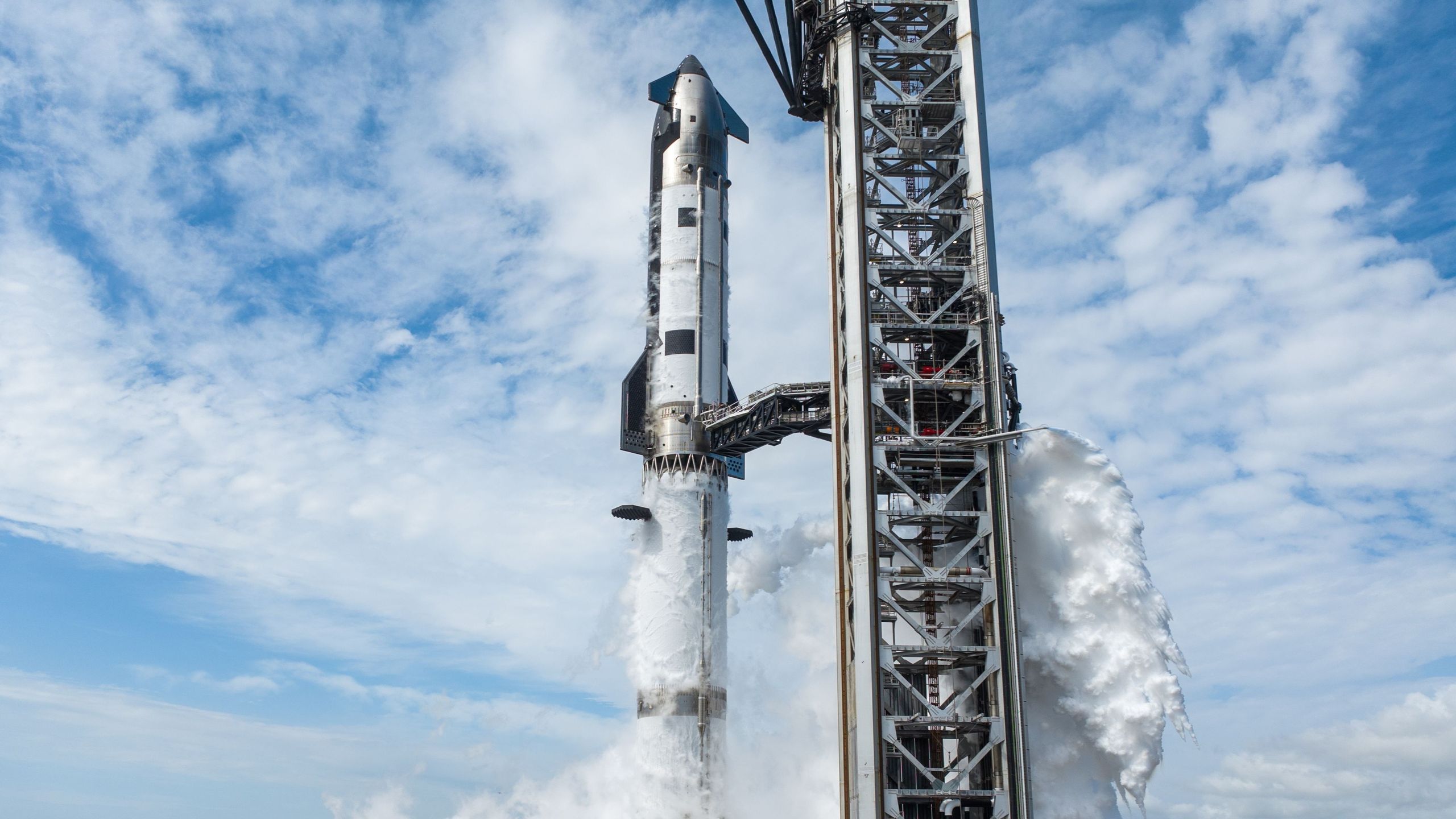
SpaceX is preparing for a pivotal moment in aerospace history as the company targets the maiden spaceflight of its next-generation Starship V3. Scheduled for May 19, 2026, this launch represents a significant evolution of the biggest and most powerful rocket ever built, aimed at advancing humanity’s capacity for deep-space exploration.
The debut of the Version 3 (V3) vehicle is not merely a routine flight but a strategic leap in design. According to an announcement made by SpaceX on May 12, the rocket is intended to help humanity take its first steps on the moon and Mars. This upcoming mission will mark the 12th overall flight for the Starship program, but it will be the first to test the specific enhancements integrated into the V3 architecture.
The mission will lift off from the SpaceX Starbase site in South Texas. The company has established a 90-minute launch window that opens at 6:30 p.m. EDT (2230 GMT; 5:30 p.m. Local Texas time) on May 19. A launch rehearsal for the first Starship V3 megarocket was successfully conducted at the Starbase facility on May 11, 2026.
Technical Evolution: What Changes in Starship V3
The Starship V3 introduces several critical modifications to the Super Heavy first stage, focusing on recovery, durability, and efficiency. One of the most visible changes is the reconfiguration of the grid fins—the lattice-like structures used to steer the booster during its descent back to Earth for recovery and reuse.
While previous iterations utilized four grid fins, the V3 Super Heavy now features only three. Despite the reduction in number, SpaceX reports that each individual fin is now 50% larger and significantly stronger. These modifications are designed to optimize the vehicle’s return and recovery process.
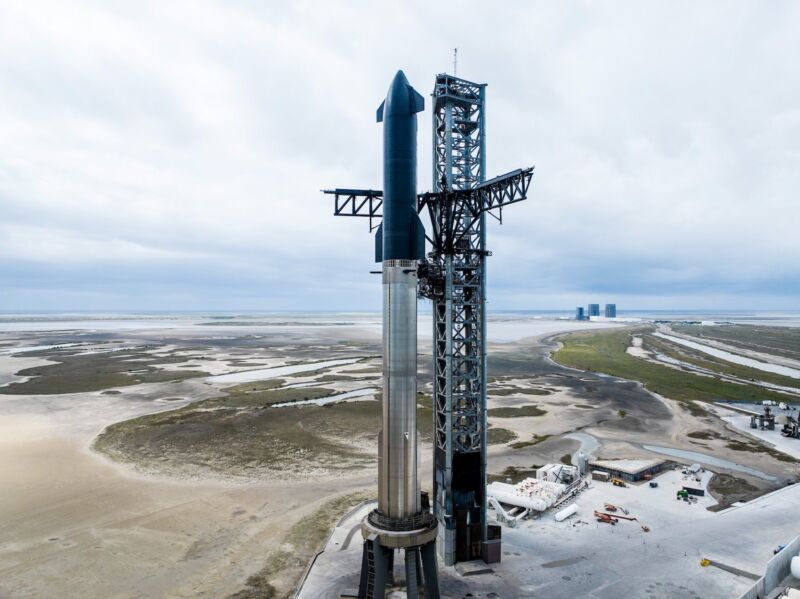
“These fins include a new catch point and have been re-clocked on the booster to support vehicle lift and catch operations,” SpaceX stated in a recent update. “They have also been lowered to reduce heat exposure from Starship’s engines during hot-staging.”
Beyond the steering fins, SpaceX has overhauled the “hot stage”—the critical junction where the Super Heavy booster separates from the Ship upper stage. In the V3 design, the hot stage is now integrated directly into the Super Heavy booster and will no longer be discarded during flight. This integration is a key part of the company’s push toward full and rapid reusability.
Launch Logistics and Mission Objectives
The Starship V3 launch is a high-stakes test of the company’s ability to scale its hardware. By increasing the size and strength of the steering components and integrating the staging hardware, SpaceX is refining the “catch” mechanism, where the booster is returned to the launch tower for immediate refurbishment.
The logistics for the May 19 event are tightly controlled, with the 90-minute window providing the necessary buffer for weather and technical readiness. The flight will be monitored from the Starbase site, which serves as both the manufacturing hub and the launch point for these massive vehicles.
The overarching goal of the Starship program, led by CEO Elon Musk and President Gwynne Shotwell, remains the establishment of a sustainable human presence on other planetary bodies. The V3’s increased capabilities are essential for the heavy-lift requirements of lunar and Martian colonization.
Starship V3 Design Comparison
| Feature | Previous Versions | Starship V3 |
|---|---|---|
| Grid Fin Count | 4 Fins | 3 Fins |
| Fin Size | Standard | 50% Larger |
| Hot Stage | Discarded during flight | Integrated into Super Heavy |
| Recovery Focus | Standard descent | Optimized for lift and catch operations |
The Strategic Path Forward
As SpaceX moves toward its 12th Starship flight, the V3 variant serves as a bridge between experimental prototypes and an operational interplanetary transport system. The reduction in grid fin count combined with an increase in their size suggests a move toward a more streamlined, robust aerodynamic profile that can withstand the extreme pressures of atmospheric reentry while remaining maneuverable enough for precision catching.
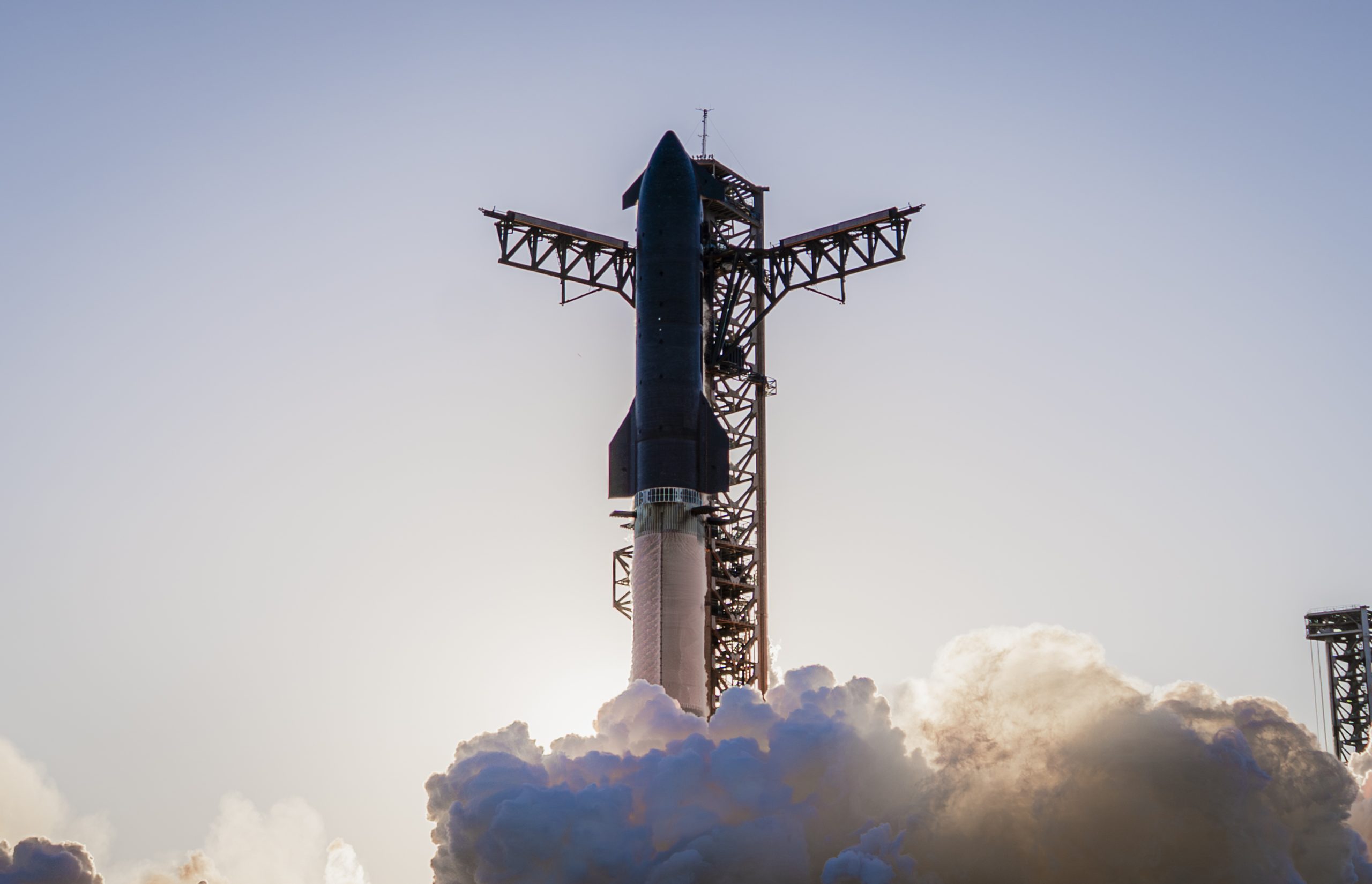
The integration of the hot stage is perhaps the most significant engineering shift. By eliminating the need to discard this hardware, SpaceX reduces debris and simplifies the refurbishment cycle, bringing the company closer to its vision of spaceflight operating similarly to commercial aviation.
For those following the mission, the primary checkpoint is the launch window opening at 6:30 p.m. EDT on May 19, 2026. Success in this flight will validate the V3’s structural improvements and set the stage for future crewed missions to the moon.
World Today Journal will continue to monitor the Starbase site for updates. We invite our readers to share their thoughts on the future of Martian colonization in the comments below.
Related reading
- Implementing Dental Health Rooms in Elementary and Special Education Schools: Legal Basis and Staffing
- Rocky’s Ace Hardware “Fill the Bucket” Fundraiser Supports Children’s Miracle Network
- Win Tickets to Diva’s Paris Concert with New Product Launch (world-today-news.com)
- WestJet reaches tentative deal with flight attendants after strike (archyde.com)