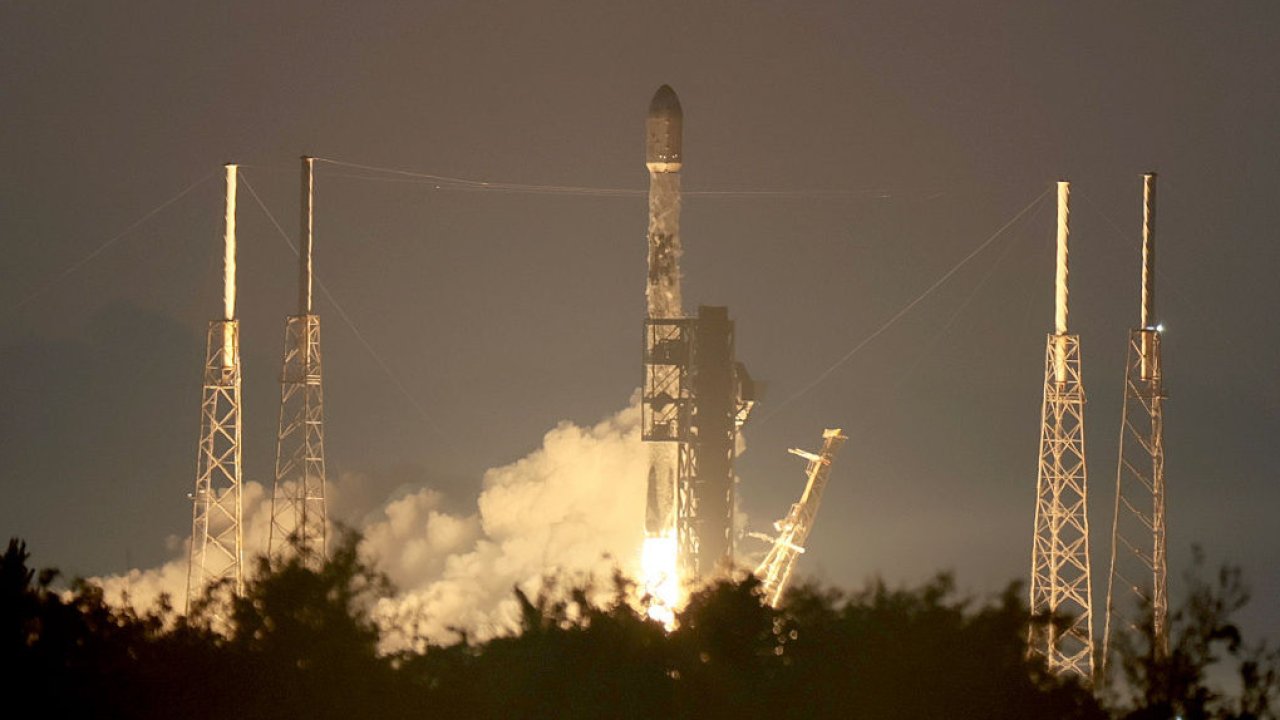
SpaceX, the aerospace manufacturer led by Elon Musk, has established a profitable commercial model through its dominance in the global satellite launch market and the expansion of its Starlink telecommunications network. While the company remains a private entity, its financial performance and valuation have drawn significant attention from institutional investors, particularly as the firm continues to secure multi-billion dollar contracts with government agencies and private clients, according to data from Reuters.
The company’s ability to generate consistent cash flow distinguishes it from many early-stage space ventures. By utilizing its reusable Falcon 9 rocket technology, SpaceX has significantly lowered the cost of orbital transport, allowing it to maintain a high cadence of launches for its own Starlink constellation and external customers. As of mid-2024, reports indicate that SpaceX reached a valuation of approximately $210 billion, reflecting investor confidence in its long-term revenue potential, as noted by Bloomberg.
Commercial Drivers and Market Position
SpaceX operates primarily through two revenue streams: launch services and satellite internet. The Falcon 9 vehicle has become the workhorse of the industry, carrying commercial satellites, cargo for the International Space Station, and crewed missions for NASA. According to the National Aeronautics and Space Administration (NASA), SpaceX has fulfilled multiple crew rotation missions under the Commercial Crew Program, providing a stable, recurring revenue base. This operational efficiency is a central factor in the company’s transition to consistent profitability, a rarity in the aerospace sector.
The Starlink satellite internet service represents the second pillar of the company’s business strategy. By deploying thousands of low-Earth orbit (LEO) satellites, SpaceX provides high-speed connectivity to underserved regions globally. Financial reports have shown that Starlink reached a “break-even” cash flow point in late 2023, as stated by Elon Musk in a post on the social media platform X. This milestone was viewed by analysts as a key indicator that the capital-intensive deployment phase of the constellation is beginning to yield measurable returns.
Capital Structure and Employee Equity
Unlike publicly traded companies that are subject to quarterly earnings disclosures, SpaceX maintains its private status, which allows for a different approach to capital management. The company periodically conducts tender offers, allowing employees and early investors to sell their shares to institutional buyers. This mechanism provides liquidity for staff without the regulatory requirements of a public listing on the New York Stock Exchange or Nasdaq, as documented by CNBC.

The equity structure has been a notable feature of the company’s compensation strategy. By granting stock options to a broad base of employees, SpaceX has aligned the workforce’s financial success with the company’s valuation growth. While media reports have occasionally speculated about a potential initial public offering (IPO) for Starlink specifically, the company has not filed registration statements with the U.S. Securities and Exchange Commission (SEC) to take any part of its business public at this time. Investors seeking information on the company’s financial health are generally limited to data disclosed through these private tender offers and industry-standard market analysis.
Operational Challenges and Future Outlook
Despite its commercial success, SpaceX faces significant technical and regulatory hurdles. The development of Starship, the company’s next-generation heavy-lift launch vehicle, remains a primary focus. The success of the Starship program is essential for the future of the Starlink network, as the rocket’s increased capacity is required to launch larger, more advanced satellite versions at a lower cost per kilogram. The Federal Aviation Administration (FAA) oversees the licensing of these test flights, and regulatory approvals remain a critical path item for the company’s launch schedule.

Looking ahead, the competitive landscape is shifting as other aerospace firms attempt to replicate the reusability model pioneered by SpaceX. However, the company’s current lead in launch frequency and its established infrastructure provide a substantial “moat” in the market. The next major checkpoint for the company involves ongoing Starship test flights and the continued expansion of Starlink’s subscriber base, which currently numbers in the millions globally. Interested parties can monitor updates regarding the company’s flight manifests and federal regulatory filings through the official SpaceX website and the Federal Aviation Administration’s commercial space transportation dashboard.
The trajectory of SpaceX remains a focal point for those tracking the intersection of private capital and space exploration. As the company continues to scale its operations, the primary question for investors will be whether its growth rate can be sustained against increasing international competition and the inherent risks of orbital flight operations. We invite readers to share their analysis of the evolving space economy in the comments section below.
Worth a look