.jpeg)
SpaceX, the aerospace manufacturer led by Elon Musk, has seen its valuation surpass the $2 trillion threshold following a significant public offering on the Nasdaq exchange. The move marks a historic milestone in the commercial space industry, as the company’s market debut drew substantial investor interest, with reports indicating a total capital raise of approximately $12 trillion in yen-denominated equivalents as part of the broader global offering. According to market data from the Nasdaq Stock Market, the listing has contributed to a notable shift in the net worth of its founder, with various financial analysts projecting Musk’s personal wealth to reach unprecedented levels, potentially positioning him as the first individual to reach a $1 trillion net worth.
The transition from a private enterprise to a publicly traded entity represents a major shift for the Hawthorne-based firm. While SpaceX has long been a dominant force in satellite deployment and government contracting, its entry into the public equity markets provides a new mechanism for capital acquisition. Investors from across the globe, including significant participation from the Japanese market, have sought access to the company’s stock, reflecting broad confidence in the long-term viability of the commercial space sector. The U.S. Securities and Exchange Commission (SEC) continues to oversee the regulatory compliance of such large-scale public listings, ensuring that disclosures regarding the company’s financial health and operational risks remain transparent for public market participants.
Market Response and Initial Valuation
Upon its debut, SpaceX shares experienced immediate upward momentum. Trading data indicates that the stock opened at a premium, with initial public offering (IPO) pricing set at $135 per share. By the close of the first day of trading, the stock had climbed approximately 19%, signaling strong institutional and retail demand. The valuation of $2 trillion places SpaceX among the most valuable companies globally, rivaling the market capitalization of traditional technology and energy giants. This surge in market value is largely attributed to the company’s consistent performance in its Falcon 9 launch program and the ongoing development of the Starship vehicle, which remains central to its long-term goals of lunar and interplanetary exploration.
Financial analysts note that the scale of this offering is unprecedented in the aerospace sector. The total capital raised, estimated at 12 trillion yen, underscores the massive appetite for private-sector space infrastructure. According to filings reviewed by financial regulators, the company intends to allocate a significant portion of these proceeds toward the expansion of its Starlink satellite constellation and the acceleration of its heavy-lift launch capabilities. The historical trading data for the first day of the listing confirms that the high volume of shares traded contributed to the company’s rapid ascent in market capitalization shortly after the opening bell.
Impact on Elon Musk’s Financial Standing
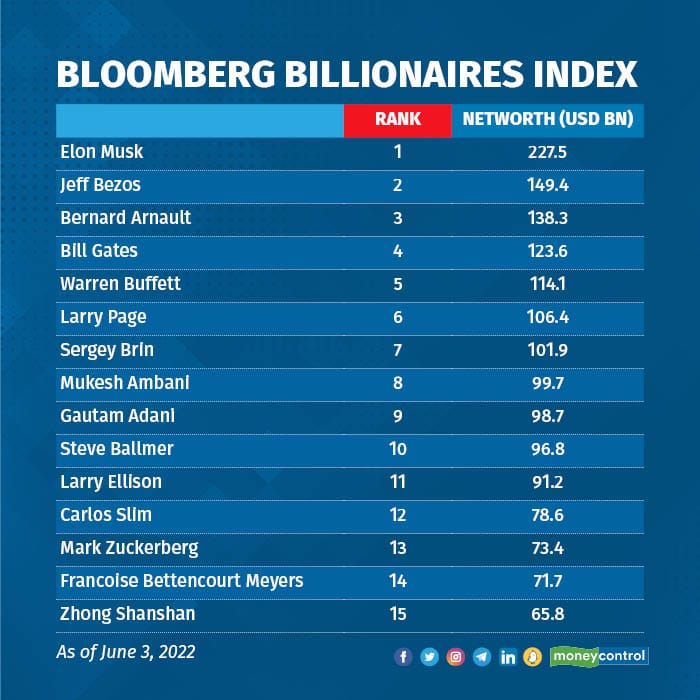
The public listing has had an immediate impact on Elon Musk’s status in the Bloomberg Billionaires Index and other wealth tracking metrics. As the primary stakeholder in SpaceX, the increase in the company’s share price has significantly bolstered his personal balance sheet. While Musk’s wealth is heavily tied to his equity in Tesla, Inc. and other ventures, the addition of a publicly valued SpaceX stake has accelerated projections regarding his total net worth. Some analysts suggest that if the current market valuation holds, Musk could become the first “trillionaire” in history, a figure that exceeds the total annual gross domestic product of several nations.
The concentration of wealth in the hands of a single entrepreneur has drawn attention from economic policy experts. According to the International Monetary Fund (IMF), the rise of individual wealth on this scale relative to global economic indicators represents a shift in the concentration of capital within the technology and aerospace industries. Despite these figures, Musk has publicly maintained that his focus remains on the operational success of his companies, specifically the mission to make multi-planetary life possible. The company has not provided a formal comment on the specific projections regarding the CEO’s net worth, consistent with its standard policy of focusing on technical milestones rather than market speculation.
Future Outlook for the Commercial Space Sector
The public listing is expected to accelerate competition within the orbital launch and satellite communication sectors. With access to public capital, SpaceX is positioned to increase the cadence of its launch schedule and invest further in reusable launch technology. This development poses a challenge to both legacy aerospace contractors and emerging competitors who are also seeking to capitalize on the growing demand for low-Earth orbit services. The Federal Aviation Administration (FAA), which regulates commercial space transportation in the United States, continues to monitor the safety and frequency of these launches, ensuring that the increased operational tempo aligns with federal safety standards.

Investors looking for further updates on the company’s performance should monitor upcoming quarterly earnings reports, which will provide a more detailed look at the firm’s revenue streams and operational expenditures. As a newly public company, SpaceX is now subject to the standard reporting requirements for entities listed on the Nasdaq, including the filing of 10-Q and 10-K documents. These filings, which will be available through the EDGAR database, will serve as the primary source of truth for the company’s financial trajectory moving forward. The next scheduled update will occur during the company’s first quarterly earnings call, the date of which has yet to be finalized by the board of directors.
We welcome your thoughts and analysis on the implications of this market event. Please share your perspectives in the comments section below.