
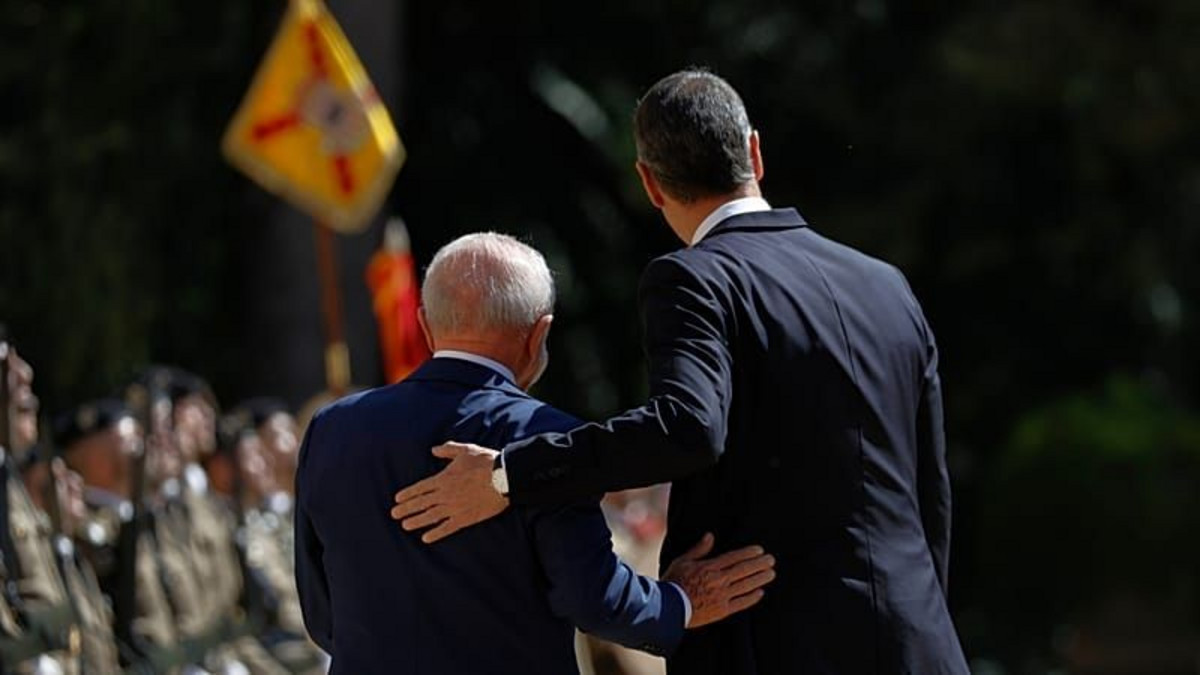
Spanish Prime Minister Pedro Sánchez and Brazilian President Luiz Inácio Lula da Silva opened the first-ever bilateral summit between their nations in Barcelona on April 18, 2026, marking a significant step in strengthening diplomatic and economic ties between Europe and Latin America. The meeting, held at the Palau de Pedralbes, brought together delegations from both governments, with approximately ten ministers from each side participating in discussions covering trade, technology, gender equality, and multilateral cooperation.
During the summit, Sánchez and Lula signed more than ten agreements, including a Memorandum of Understanding on the social and solidarity economy, as well as pacts on consular cooperation, science and technology innovation, gender equality, the fight against gender-based violence, critical raw materials, and cultural collaboration. The leaders emphasized their shared commitment to multilateralism and democratic values amid rising global tensions.
In a joint appearance, Sánchez stated that the summit sent a message of cooperation, openness, mutual trust, and shared prosperity in the face of confrontation and war. He underscored that both nations share a worldview centered on the defense of democracy, respect for international law, human rights, and peace — values he said are “under attack by a reactionary wave” and authoritarian regimes.
Lula, speaking directly to Sánchez, said: “I understand you when you say ‘no to war’.” The Brazilian president affirmed his counterpart’s stance, highlighting their joint belief in dialogue and peaceful conflict resolution as essential pillars of international relations. The remark was widely noted as a symbolic affirmation of their aligned foreign policy outlook.
The summit reflects broader efforts by Spain and Brazil to deepen strategic partnerships beyond traditional trade links, particularly in areas such as sustainable development, technological innovation, and South-South-North cooperation. Both countries have previously collaborated within multilateral forums like the United Nations, the G20, and the Community of Portuguese-Speaking Countries (CPLP), where Brazil holds observer status and Spain maintains special relations.
Analysts view the Barcelona meeting as part of a renewed push by the European Union and its member states to engage more meaningfully with Latin America, especially amid shifting global alliances and the need for resilient supply chains. Brazil, as Latin America’s largest economy and a key player in global agriculture, energy, and biodiversity, remains a central partner for European nations seeking diversification and sustainability in international cooperation.
Officials from both delegations indicated that follow-up working groups would be established to monitor the implementation of the agreements signed during the summit. No specific timeline for the next bilateral summit was announced, though both sides expressed intent to institutionalize the dialogue through regular high-level engagements.
For ongoing updates on Spain-Brazil relations and official documents from the summit, readers can refer to the websites of the Spanish Government and the Brazilian Presidency.
As global challenges from climate change to geopolitical instability continue to test international cooperation, the Spain-Brazil summit stands as a testament to the enduring value of dialogue between nations committed to peace, equity, and shared progress. The outcomes of this inaugural meeting may help shape future EU-Latin America strategies in the years ahead.
We invite our readers to share their thoughts on this developing partnership in the comments below and to spread the word by sharing this article with others interested in global diplomacy and international cooperation.