
Spain Begins Rollout of EU’s New Entry/Exit System (EES): What Travelers Need to Know
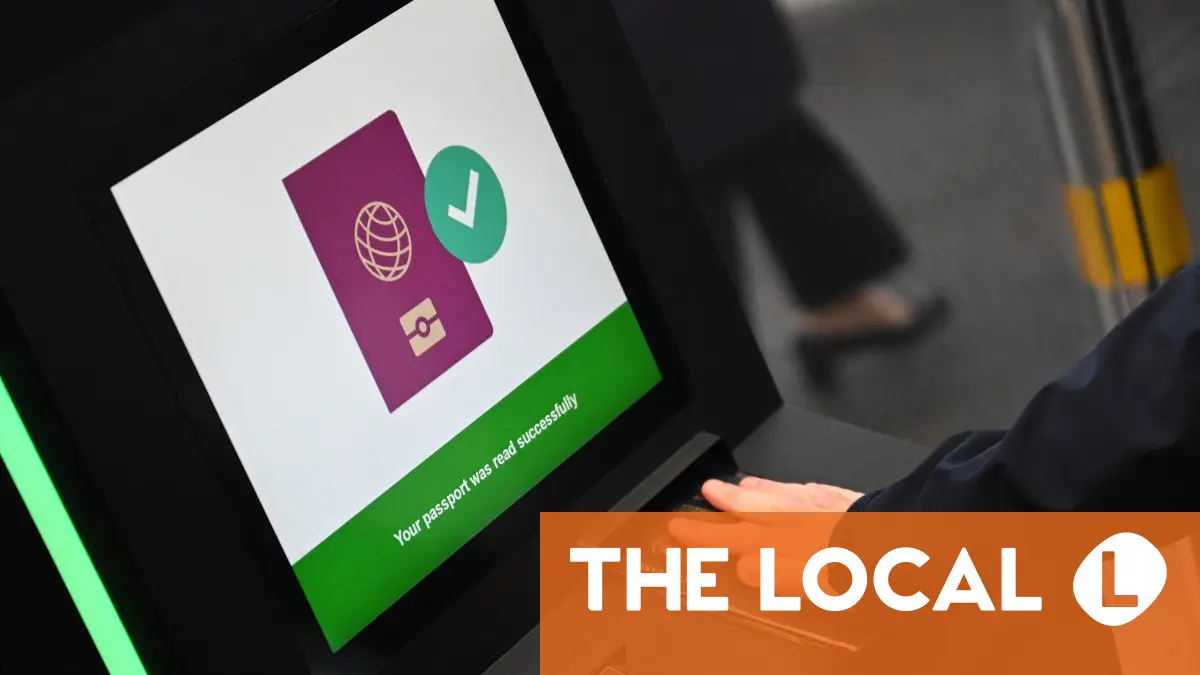
Spain is leading the way in implementing the European Union’s new Entry/Exit system (EES),a significant upgrade to border control for non-EU citizens. Madrid-Barajas Airport was the first spanish hub to activate the system on Sunday, and several other airports have quickly followed suit. Here’s what you need to know about the changes and how they’ll affect your travel to Spain and the Schengen Area.
What is the EES?
the EES represents a shift towards “intelligent border checks.” It’s designed to enhance security and streamline travel for those entering the Schengen Area - which includes most EU countries, plus Iceland, Norway, Switzerland, and Liechtenstein. Importantly,the EES doesn’t change visa requirements or your travel rights. Instead, it modernizes how borders are policed, moving from manual passport stamps to an automated, electronic system.
Which Airports are Using the New System?
The rollout is being phased in across Spain and the wider EU, with a full implementation deadline of April 2026. Currently, the following Spanish airports are operational with the EES:
* Madrid-Barajas: The initial launch site.
* Tenerife North: Added this week.
* Seville: now utilizing the system.
* Burgos: Also live with the new procedures.
Spain is taking a deliberate approach, starting with airports handling varying levels of non-EU traffic. seville Airport, with direct flights to the UK, Morocco, and Turkey, sees the most international arrivals of the newly added locations. Tenerife North primarily handles domestic flights, while Burgos Airport currently has no commercial flights.
How Does the EES Work?
The core of the EES is the collection of biometric data. When you enter the Schengen Area, your information will be recorded, including:
* Photograph
* Fingerprints
This data is securely stored and used to track your entry and exit, replacing the traditional passport stamp. The system registers details like your immigration status, providing a more accurate record of your time within the Schengen Area.
Initial Results: A Smooth Transition
Early reports indicate a triumphant implementation. A trial run at Madrid-Barajas on Sunday processed 1,833 passengers arriving from Canada, the US, China, Argentina, Morocco, and the UK without significant issues.
According to Spain’s Interior Minister, Fernando Grande-Marlaska, the system demonstrated “stability and efficiency,” with no delays or backlogs. In fact, processing times were reportedly faster than usual. The minister highlighted the “satisfactory start” and “absence of incidents” at the additional airports as well.
What Does This Mean for you?
The EES aims to make border crossings more fluid and secure. Here’s what you can expect:
* Automated Registration: The process will be largely automated, reducing manual checks.
* Faster Processing: Expect quicker passage through border control.
* No Change to Travel Documents: your existing visa or travel authorization requirements remain the same.
* Enhanced Security: The system provides a more robust and accurate record of entries and exits.
For more information and answers to frequently asked questions, see these resources:
* Travel to Spain - Your questions answered about EES and ETIAS
* Europe rolls out automated border checks
The EES is a significant step towards modernizing border management in Europe. By understanding the changes, you can ensure a smooth and efficient travel experience to Spain and the Schengen Area.


![Master Lock Comanche: Race Time, Weather & How to Watch | [Year] Update](https://static.ffx.io/images/$zoom_0.5516%2C$multiply_0.7554%2C$ratio_1.777778%2C$width_1059%2C$x_0%2C$y_55/t_crop_custom/q_86%2Cf_jpg/t_metro_live_no_age_social_wm/53c85f551a91ff2c094f35fc9f3bff31abb136bca8acaf39f79f098dd87f56e5 "Master Lock Comanche: Race Time, Weather & How to Watch | [Year] Update")


