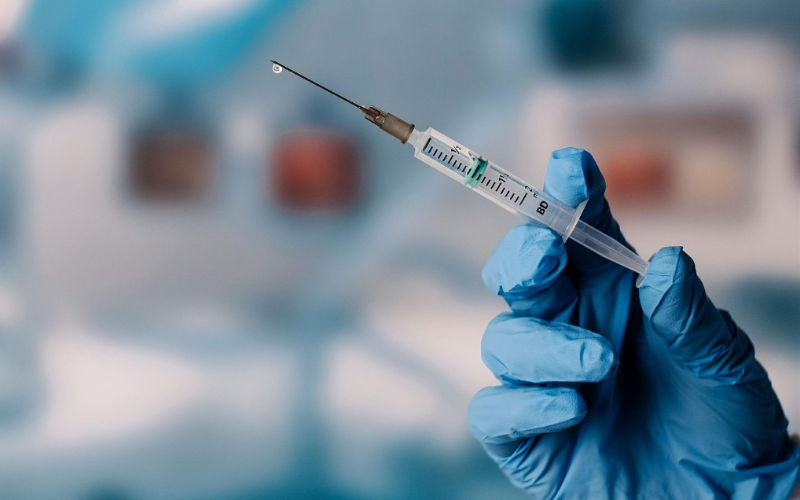
Madrid – In a landmark decision hailed as a major step forward in the fight against HIV, Spain has become the first country in the European Union to publicly fund injectable pre-exposure prophylaxis (PrEP). The move, announced on February 26, 2026, provides access to Apretude (cabotegravir extended-release injection) through the National Health System, offering a new preventative option particularly suited for individuals at high risk of infection and for whom daily oral PrEP may not be feasible.
The decision by the Interministerial Commission on Drug Prices (CIPM) to finance Apretude marks a significant advancement in combined HIV prevention strategies. Currently, PrEP typically involves taking a daily oral pill. This new injectable form, administered every two months, eliminates that daily requirement, potentially improving adherence among certain populations. This development aligns with recommendations from the World Health Organization (WHO) and UNAIDS, which advocate for expanded access to effective prevention strategies to move closer to eliminating HIV as a public health concern.
What is PrEP and Why is Injectable PrEP a Game Changer?
PrEP, or pre-exposure prophylaxis, involves taking medication to prevent HIV infection in people who are HIV-negative but at risk. Oral PrEP has been available for years and has proven highly effective when taken consistently. However, adherence can be a challenge for some individuals. The new injectable formulation of PrEP, utilizing cabotegravir, offers a long-acting alternative. Clinical trials have demonstrated that cabotegravir extended-release injection provides a high level of efficacy in preventing HIV infection, particularly in situations where consistent daily oral medication may be tricky to maintain. The Spanish Ministry of Health provides detailed information on PrEP programs within Spain.
According to the Ministry of Health, Apretude is indicated for HIV-negative individuals with a high risk of acquiring the infection through sexual transmission. This includes individuals with multiple sexual partners, those who do not consistently use condoms, and those with a partner who is HIV-positive. The injectable PrEP is not intended to replace existing prevention methods, such as condoms, but rather to provide an additional layer of protection.
Spain Leads the Way in HIV Prevention
Spain’s decision to fund injectable PrEP places it at the forefront of HIV prevention in Europe. As the Ministry of Health announced, this makes Spain the first EU country to include this therapeutic innovation in its national health system’s portfolio of services. The move underscores Spain’s commitment to combating the HIV epidemic and protecting the health of its citizens.
The authorization for the commercialization of cabotegravir was granted by the European Medicines Agency (EMA), paving the way for its availability across EU member states. However, Spain is the first to make it publicly funded, ensuring equitable access for those who need it. This decision is expected to have a significant impact on reducing new HIV infections in Spain, particularly among populations where adherence to daily oral PrEP has been a barrier.
How Does Apretude Work?
Apretude delivers cabotegravir, an integrase strand transfer inhibitor (INSTI), directly into the bloodstream via intramuscular injection. INSTIs work by blocking the viral enzyme integrase, which HIV uses to insert its genetic material into the DNA of host cells. By preventing this integration, the virus cannot replicate, effectively preventing infection. The extended-release formulation allows for sustained drug levels over a two-month period, eliminating the need for daily dosing. The efficacy of cabotegravir in preventing HIV has been demonstrated in several clinical trials, including the HPTN 083 and HPTN 084 studies.
Implementation and Access to Apretude in Spain
The Spanish National Health System (SNS) will incorporate Apretude as a covered pharmaceutical benefit, ensuring access in a fair and universal manner. The Ministry of Health has not yet released detailed guidelines on how the program will be implemented, including specific criteria for eligibility and the process for accessing the medication. However, it is anticipated that healthcare providers will assess individual risk factors to determine whether injectable PrEP is the most appropriate prevention method.
The SIPrEP (Sistema de Información de los programas de PrEP en España), the Spanish Information System for PrEP programs, will likely play a crucial role in monitoring the implementation and effectiveness of the injectable PrEP program. SIPrEP is a platform designed to collect data on PrEP use across Spain, allowing for ongoing evaluation and improvement of prevention efforts.
Who Will Benefit Most from Injectable PrEP?
While oral PrEP remains a valuable option, injectable PrEP is expected to be particularly beneficial for individuals who struggle with daily adherence. This includes people who may forget to take their pills, those who prefer not to take a daily medication, and those who experience stigma associated with taking medication for HIV prevention. It is also expected to be a valuable tool for reaching populations that are less likely to engage with traditional healthcare services.
The Broader Context of HIV Prevention
Spain’s commitment to funding injectable PrEP is part of a broader effort to reduce the incidence of HIV and ultimately eliminate the epidemic. Other prevention strategies include condom promotion, HIV testing, and treatment as prevention (TasP), which involves providing antiretroviral therapy to people living with HIV to suppress the virus to undetectable levels, preventing transmission to others.
The UNAIDS 95-95-95 targets aim to end the AIDS epidemic by 2030. These targets call for 95% of people living with HIV to be diagnosed, 95% of those diagnosed to be on antiretroviral therapy, and 95% of those on treatment to achieve viral suppression. Expanding access to PrEP, including the new injectable formulation, is crucial for achieving these goals.
The decision to fund Apretude also reflects a growing recognition of the importance of individualized HIV prevention strategies. There is no one-size-fits-all approach to HIV prevention, and individuals should have access to a range of options that meet their specific needs and preferences.
Looking ahead, the Spanish Ministry of Health will continue to monitor the implementation of the injectable PrEP program and evaluate its impact on HIV incidence. Further updates and guidelines are expected to be released in the coming months. The success of this initiative could serve as a model for other European countries considering similar measures to enhance their HIV prevention efforts.
Key Takeaways:
- Spain is the first EU country to publicly fund injectable PrEP (Apretude).
- Apretude, containing cabotegravir, is administered every two months, improving adherence.
- The decision aligns with WHO and UNAIDS recommendations for expanded HIV prevention.
- Injectable PrEP is indicated for HIV-negative individuals at high risk of infection.
The implementation of this program represents a significant advancement in HIV prevention and offers renewed hope for achieving the global goal of ending the AIDS epidemic. Readers are encouraged to share this information and engage in discussions about HIV prevention within their communities. For more information on PrEP and HIV prevention, please consult your healthcare provider or visit the websites of the Spanish Ministry of Health and UNAIDS.