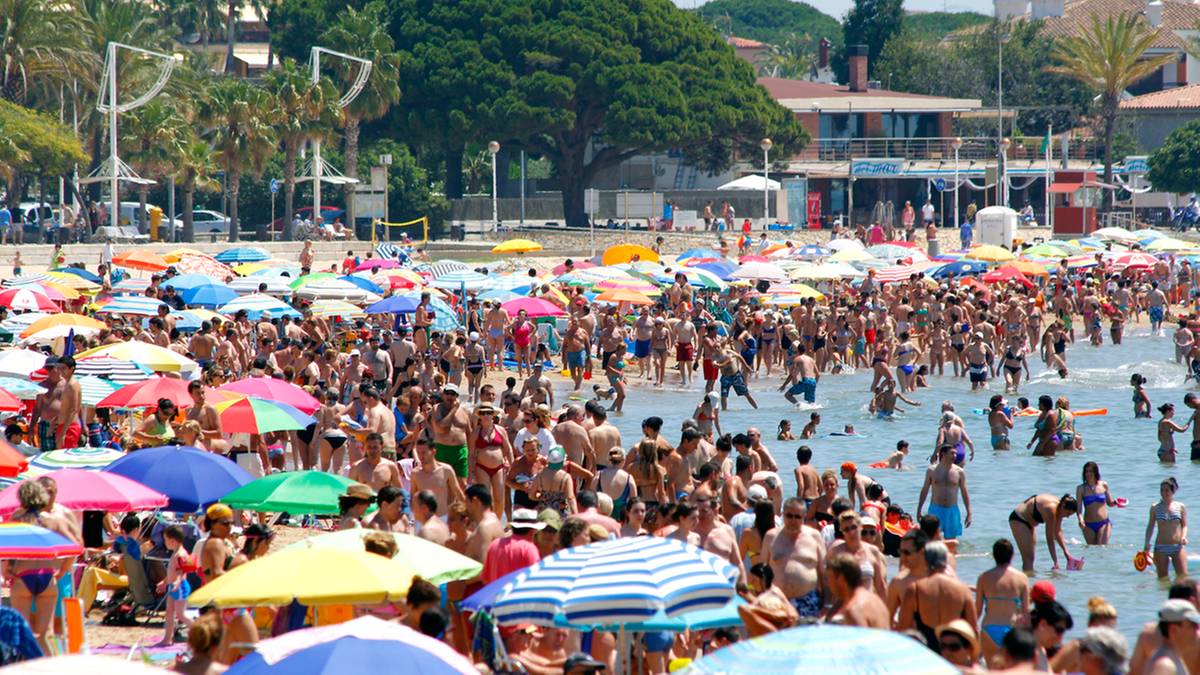
Spanish municipal and regional governments are implementing stricter regulations and fines reaching thousands of euros to combat the effects of overtourism, as local authorities in cities like Barcelona and regions such as the Canary Islands attempt to mitigate housing shortages and environmental degradation. These measures target illegal short-term rentals, public disturbances, and the breach of environmental protections in high-traffic zones.
The shift toward restrictive tourism management comes amid a surge of resident protests across the country. Local governments are increasingly prioritizing the “right to the city” for residents over the economic gains of mass tourism, which has historically driven a significant portion of Spain’s GDP. The new penalties are designed to deter behaviors that degrade local quality of life and to curb the proliferation of unregulated tourist apartments.
In Barcelona, the administration has moved toward a total phase-out of short-term tourist rentals. Mayor Jaume Collboni announced a plan to eliminate all licenses for tourist apartments by November 2028, according to reports from Reuters. This policy aims to return thousands of homes to the permanent rental market to lower costs for local residents.
Why is Spain introducing overtourism fines and restrictions?
The primary driver for the new penalties is a systemic housing crisis exacerbated by the rise of platforms like Airbnb. In many Spanish cities, the conversion of residential apartments into tourist rentals has reduced the available housing stock, driving rents to levels that are unaffordable for many locals. This has led to “touristification,” where traditional neighborhoods are replaced by souvenir shops and short-term lodgings.
Environmental pressure is another critical factor. In the Balearic Islands and the Canary Islands, the sheer volume of visitors has strained water supplies, waste management systems, and fragile ecosystems. According to the BBC, residents in the Canary Islands have held large-scale protests, citing “tourism saturation” as a cause for the collapse of local services and the inflation of basic living costs.
Furthermore, municipal authorities are targeting “disrespectful tourism.” This includes noise complaints in residential areas, public nudity in non-designated zones, and the degradation of historic monuments. Fines for these infractions vary by municipality but can reach several thousand euros for repeat offenders or severe violations of local ordinances.
Which regions are implementing the strictest penalties?
The crackdown is most visible in the “hotspots” where the ratio of tourists to residents is highest. Barcelona remains the epicenter of the regulatory shift, with the city intensifying inspections of illegal rentals. Properties operating without a valid license face heavy fines and the potential for permanent closure.
In the Canary Islands, particularly on Tenerife and Gran Canaria, the government is facing intense pressure to limit the number of visitors. While specific “entry fees” have been debated, the focus has remained on restricting the growth of new hotel developments and cracking down on illegal villas that bypass zoning laws. Protesters in these regions have specifically called for a limit on the number of cruise ships allowed to dock, arguing that the sudden influx of thousands of passengers overwhelms local infrastructure.
Mallorca and the wider Balearic archipelago have implemented strict environmental laws. Fines are imposed on tourists who swim in protected marine reserves or damage coastal dunes. These environmental penalties are often higher than standard administrative fines, reflecting the high cost of restoring damaged Mediterranean ecosystems. Local authorities have also increased monitoring of “party tourism” in areas like Magaluf to reduce noise pollution and public disorder.
How do the new tourist rental laws work?
The regulatory framework for short-term rentals in Spain is becoming increasingly fragmented, as different regions implement their own rules. In Barcelona, the 2028 deadline creates a countdown for property owners to transition their rentals back to long-term leases. The city is using digital tracking and data sharing with rental platforms to identify unlicensed listings.
In other regions, the “tourist license” system is being tightened. To obtain a license, owners must often prove that the property meets specific safety and health standards and does not conflict with the community’s housing needs. Failure to display a valid license number on listing sites can result in immediate fines from municipal inspectors.
The impact of these laws is twofold: they aim to reduce the number of short-term units and increase the cost of operating them, thereby making long-term rentals more financially attractive for landlords. This strategy is part of a broader European trend, with cities like Venice and Amsterdam implementing similar restrictions to maintain urban livability.
What are the specific fines for tourists?
While many of the largest fines target property owners, tourists are increasingly subject to “civic coexistence” ordinances. These laws penalize behaviors that disrupt the peace of residential neighborhoods. Common infractions include:

- Excessive Noise: In cities like Madrid and Barcelona, loud parties in rental apartments can lead to fines starting at several hundred euros and escalating based on the time of day and frequency of the offense.
- Environmental Violations: In the Balearic Islands, entering restricted natural areas or littering on protected beaches can trigger fines that reach into the thousands of euros.
- Public Nudity and Indecency: Local ordinances in various municipalities penalize public nudity outside of designated beaches, with fines intended to maintain “public decorum.”
- Vandalism of Monuments: Defacing historic sites or ignoring “no entry” signs at cultural landmarks can result in heavy administrative penalties and, in some cases, criminal charges.
These fines are typically issued by the Policía Local (local police) and are processed through administrative channels. Tourists are advised to carry identification and be aware that municipal laws can differ significantly from one city to another.
The economic impact of restricting tourism
Spain faces a complex economic paradox. Tourism is a pillar of the national economy, contributing roughly 12% to 13% of the country’s GDP. Restricting visitor numbers or imposing heavy fines could, in theory, reduce total revenue. However, the Spanish government and local mayors are shifting their focus toward “value over volume.”
The strategy of “sustainable tourism” aims to attract visitors who stay longer and spend more per day, rather than “day-trippers” or mass-market cruise passengers who provide lower economic yields while placing higher stress on infrastructure. By limiting the number of low-cost short-term rentals, cities hope to attract a demographic of travelers who are more respectful of local customs and more likely to support local businesses over international chains.
This transition is not without friction. The hospitality industry, including hotel associations, generally supports the crackdown on illegal rentals as it levels the playing field. However, small-scale property owners argue that these measures infringe on their property rights and remove a vital source of supplemental income.
Practical guidance for travelers to Spain
To avoid penalties and ensure a compliant visit, travelers should adhere to the following guidelines:

Verify Rental Legality: When booking an apartment, ensure the listing displays a valid municipal tourist license number. In cities like Barcelona, rentals without this number are illegal and may be subject to sudden closure or police inspection.
Respect Local Noise Ordinances: Be mindful of “quiet hours,” typically between 10:00 PM and 8:00 AM. In dense residential areas, noise complaints are taken seriously and can result in immediate fines for the occupants of a rental property.
Follow Environmental Signage: In the Balearic and Canary Islands, strictly follow all signage regarding protected dunes, marine reserves, and hiking trails. Environmental police frequently patrol these areas and issue steep fines for trespassing in restricted zones.
Adhere to Dress Codes: While Spain is generally relaxed, certain historic sites and religious buildings require modest dress. Additionally, be aware that public nudity is strictly limited to designated “nudist beaches.”
For the most current regulations, travelers can consult the official tourism portals of the respective autonomous communities, such as the Generalitat de Catalunya for Barcelona or the Gobierno de Canarias for the Canary Islands.
What happens next?
The trend toward stricter tourism management is expected to accelerate. The next major milestone will be the ongoing implementation of the Barcelona rental ban as the 2028 deadline approaches, which will likely serve as a blueprint for other Spanish cities facing similar pressures. Additionally, regional governments in the Canary Islands are expected to review their tourism capacity limits following the recent wave of social unrest.
As Spain navigates this transition, the global travel industry is watching closely. The outcome will likely determine whether a major tourism economy can successfully pivot from a growth-at-all-costs model to one centered on sustainability and resident well-being.
Do you think these measures will save Spanish cities or hurt their economies? Share your thoughts in the comments below.