Navigating the Complex Relationship Between Spain and Morocco: A deep Dive into Western Sahara & Beyond
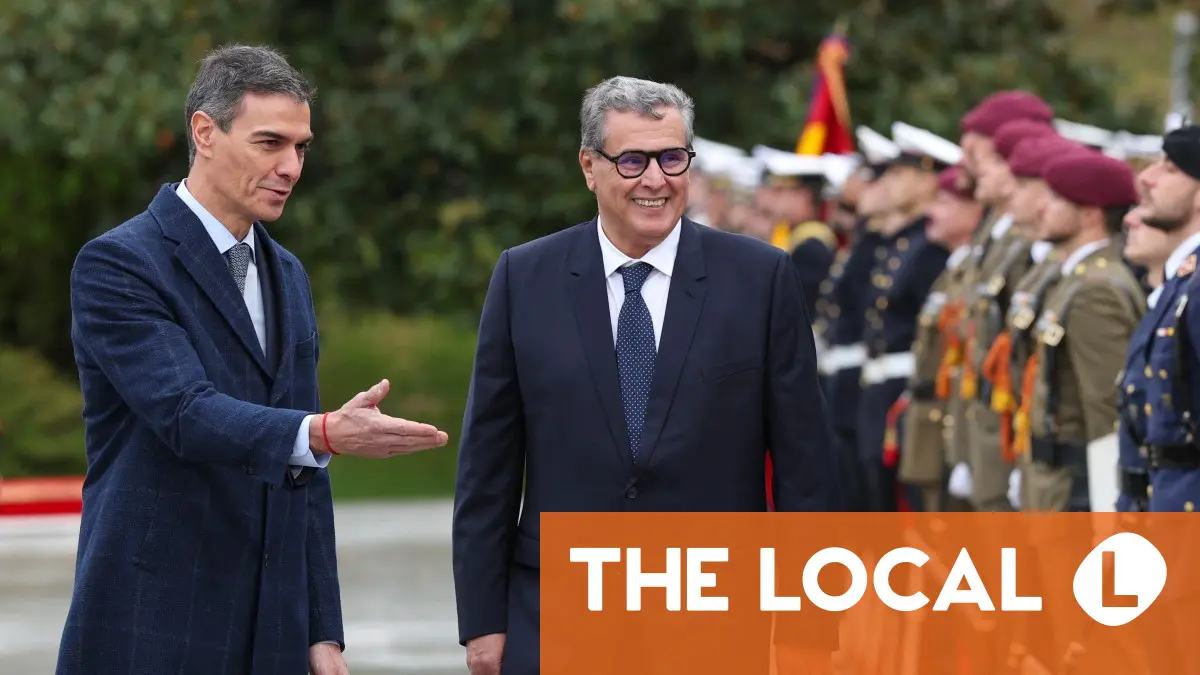
The dynamic between Spain and Morocco is undergoing a significant shift, marked by recent high-level talks and a renewed focus on strategic cooperation. Spanish Prime Minister Pedro Sánchez recently hosted his Moroccan counterpart, Aziz Akhannouch, in Madrid, with the contentious issue of western Sahara taking center stage. This meeting isn’t simply a bilateral discussion; it reflects a broader realignment of interests within the European Union and its relationship with a crucial north African partner. But what exactly is at the heart of this complex relationship, and what does it mean for the future of the region?
The Ancient Weight of Western Sahara
The roots of the current situation lie in the legacy of Spanish colonialism. Western Sahara, a vast and resource-rich territory, was a Spanish colony until 1975. Following Spain’s withdrawal, Morocco claimed sovereignty, leading to a decades-long conflict with the Polisario Front, a Sahrawi independence movement backed by Algeria. This dispute has consistently complicated relations between Morocco and both Spain and the EU.
Spain’s 2022 shift in policy – supporting Rabat’s proposal for autonomy under Moroccan sovereignty – was a pivotal moment. This stance,echoed by the United States and France,signaled a willingness to prioritize stability and cooperation over strict adherence to self-determination principles. Though, it remains a deeply divisive issue, with Algeria vehemently opposing any recognition of Moroccan control.
Key Areas of Cooperation and Contention
The recent talks between Sánchez and Akhannouch covered a range of critical areas, extending far beyond the Western Sahara dispute. These include:
* Airspace Control: Morocco is seeking greater control over the airspace above Western Sahara, currently managed by Spain from the Canary Islands. As Moroccan Trade Minister Ryad Mezzour stated, “When there is a territory under a contry’s sovereignty, it is better that the country takes charge of managing all air, land or maritime matters.” This request highlights Morocco’s desire for full administrative control.
* Agricultural and Fishing Agreements: New agreements in these sectors are expected to strengthen economic ties. These deals are vital for both countries, providing Morocco with access to European markets and Spain with a reliable supply of resources.
* Migration Management: Morocco plays a crucial role in stemming the flow of irregular migration to Europe, especially through the Spanish enclaves of Ceuta and Melilla – the EU’s only land borders with Africa. Morocco’s cooperation is considered essential by the EU in addressing this ongoing challenge.
* Economic Partnership: Beyond specific agreements, the broader goal is to foster a stronger economic partnership, including investments and trade facilitation.
Understanding the Shifting Dynamics: A Regional Perspective
The Spain-Morocco relationship isn’t occurring in a vacuum. Several factors are influencing the current trajectory:
* algeria’s Role: Algeria remains a key player,supporting the Polisario Front and viewing Morocco’s growing influence with suspicion. The strained relationship between Algeria and Morocco considerably impacts regional stability.
* EU Strategic Interests: The EU recognizes Morocco as a vital partner in addressing migration, counter-terrorism, and energy security. this has led to a pragmatic approach, prioritizing cooperation even in the face of the Western Sahara dispute.
* Geopolitical Realities: The ongoing geopolitical instability, including the war in Ukraine, has underscored the importance of diversifying energy sources and strengthening partnerships with North African nations.
Recent data from the European Commission (November 2023) shows a 15% increase in EU-Morocco trade over the past year, demonstrating the growing economic interdependence. Moreover, a report by the International Crisis Group (October 2023) highlights the increasing risk of escalation in the Western Sahara conflict if a lasting political solution isn’t found.
Actionable Insights & Practical Advice
For businesses operating in or considering expansion into the region, understanding these dynamics is crucial. Here’s what you need to know:
- Due Diligence is Paramount: Thoroughly research the political and legal landscape before making any investment decisions.
- Risk Assessment: Factor in the potential for political instability and policy changes.
- Local Partnerships: Cultivate strong relationships with local partners to navigate the complexities of the business environment.
- Stay Informed: Continuously monitor developments in the region and adapt your strategies accordingly.
Evergreen Insights: The Enduring importance of Diplomacy
The Spain-Mor
Keep reading