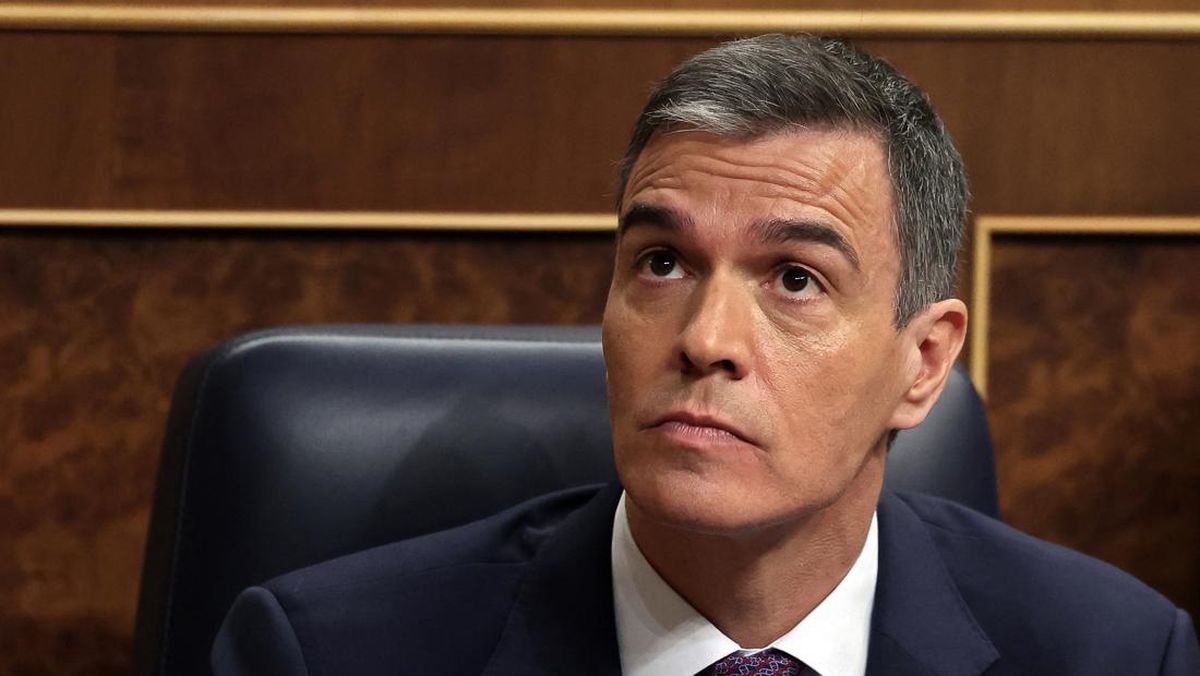
Madrid, Spain – In a significant escalation of diplomatic tensions, the Spanish government has permanently recalled its ambassador from Israel, effective Tuesday, March 11, 2026. The move comes amid growing international concern over the recent joint military actions undertaken by the United States and Israel in Iran and reflects a deepening rift between Madrid and Jerusalem. The decision underscores Spain’s firm stance against the ongoing conflict and its commitment to a peaceful resolution in the region.
The Spanish Ministry of Foreign Affairs announced the withdrawal, stating that the embassy in Tel Aviv will now be led by a chargé d’affaires. This formal step follows a period of increasing strain in relations, beginning in September 2023 when Spain initially recalled its ambassador in protest against Israel’s military operations in Gaza. At that time, Madrid also implemented a ban on the transit of arms shipments to Israel through its ports and airspace, a measure that drew sharp criticism from Israeli officials. Suara.com reports that Israeli Foreign Minister Gideon Sa’ar condemned the policy as antisemitic.
A History of Disagreement and Growing Tensions
Spain’s decision to permanently withdraw its ambassador is the latest development in a series of disagreements with Israel. The relationship has been particularly fraught since Spain’s recognition of the State of Palestine, a move that further angered Israeli authorities. The recent joint military actions by the US and Israel against Iran served as the final catalyst for this latest diplomatic action. The Spanish government, under Prime Minister Pedro Sánchez, has consistently voiced strong opposition to the employ of military force and has advocated for diplomatic solutions to regional conflicts. This position aligns with a broader European sentiment, though not all nations have taken such a definitive stance.
The escalating tensions are not limited to diplomatic measures. In September 2025, Spain prohibited vessels and aircraft carrying weapons destined for Israel from utilizing its ports and airspace, a decision that prompted a strong rebuke from Israel. According to reports, Gideon Sa’ar accused Spain of siding with “tyrants” for its opposition to the military actions. This rhetoric highlights the deep ideological divide between the two countries.
Spain’s Stance on Regional Conflicts
Prime Minister Sánchez has repeatedly emphasized Spain’s commitment to peace and its rejection of military intervention. In a recent video posted on X (formerly Twitter), Sánchez succinctly summarized the government’s position: “No war.” This statement echoes Spain’s previous stance against aggression in both the Gaza Strip and Ukraine, demonstrating a consistent foreign policy approach centered on de-escalation and diplomatic engagement. The Spanish government declined a request from the United States to allow the use of its bases in a potential military campaign against Iran, further solidifying its independent position on the issue.
Spain’s foreign policy decisions are rooted in a broader commitment to international law and human rights. The country has been a vocal critic of Israel’s actions in the Palestinian territories and has consistently called for a two-state solution based on internationally recognized borders. This commitment extends to advocating for the protection of civilians and upholding humanitarian principles in conflict zones. The decision to withdraw the ambassador is therefore seen as a logical extension of these long-held principles.
International Reactions and Potential Implications
The Spanish government’s move is likely to further isolate Israel diplomatically, particularly within Europe. Even as the United States remains a staunch ally of Israel, several European nations have expressed growing concerns about the escalating violence and the humanitarian consequences of the conflict. The withdrawal of the Spanish ambassador could encourage other countries to reconsider their relationships with Israel and to adopt a more critical stance.
Israel has already responded to Spain’s actions by recalling its own ambassador from Madrid in May 2025, leaving its embassy also under the leadership of a chargé d’affaires. This reciprocal action underscores the severity of the diplomatic breakdown and the lack of immediate prospects for reconciliation. The situation is further complicated by the ongoing military tensions in the Middle East and the potential for further escalation. The withdrawal of ambassadors is often a symbolic gesture, but it can significantly hinder communication and cooperation between governments, making it more difficult to resolve conflicts through diplomatic channels.
Greenpeace Protest in Spain Condemns Military Action
Adding to the international outcry, activists from Greenpeace Spain staged a protest in Madrid on Tuesday, March 10, 2026, condemning the military actions of the United States and Israel in Iran. Liputan6.com reports that activists unfurled a large banner at Puerta del Sol square with the message “No to War.” This demonstration reflects a growing wave of global opposition to military intervention and a desire for peaceful resolutions to international disputes.
Looking Ahead
The situation remains fluid and unpredictable. The Spanish government has indicated that it will continue to monitor developments closely and to advocate for a peaceful resolution to the conflict. The next key development to watch will be the response from other European nations and the potential for further diplomatic initiatives aimed at de-escalating tensions. The ongoing military actions in the Middle East and the broader geopolitical landscape will undoubtedly shape the future of Spain’s relationship with Israel.
The withdrawal of the Spanish ambassador represents a significant moment in the evolving dynamics of international relations. It underscores the growing divergence in perspectives on the use of force and the importance of diplomatic engagement in resolving complex conflicts. As the situation continues to unfold, the world will be watching closely to see how Spain’s actions influence the broader international response.
The Spanish government is expected to provide further updates on its foreign policy strategy in the coming weeks. Readers are encouraged to follow World Today Journal for continued coverage of this developing story and its implications for global peace and security.
Related reading