
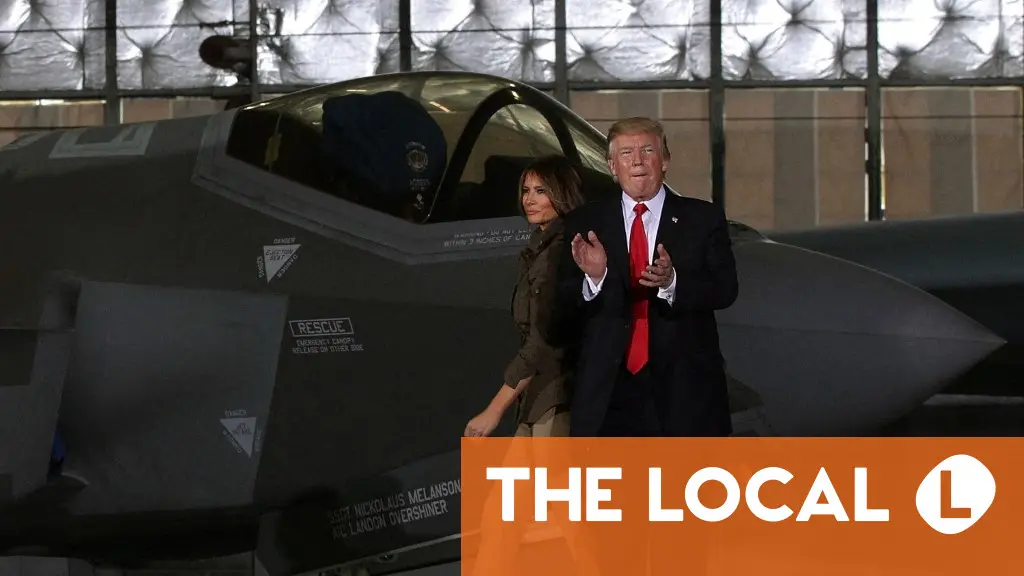
Spain Shifts Gears: Why the F-35 is Out and European Jets are In
Are you following the evolving landscape of European defense strategies? Spain recently made a notable decision, opting to prioritize European-made fighter jets over the US-built F-35. This move isn’t just about aircraft; it’s a complex interplay of geopolitical tensions, economic considerations, and a push for European defense independence. Let’s dive into the details of this pivotal shift and what it means for the future of Spain’s air force and international relations.
The Decision: A European Focus
The Spanish Defense Ministry confirmed on Wednesday that it will forgo the purchase of F-35 fighter jets from Lockheed Martin. Instead, Madrid will focus on bolstering its fleet with aircraft developed within Europe. This includes the Eurofighter – a multinational project – and jets stemming from the ambitious Future Combat Air System (FCAS) program, spearheaded by Dassault Aviation and Airbus.This decision follows mounting pressure from the United States, specifically former President Donald Trump, who demanded that NATO members increase defense spending to 5% of their GDP.Spain, while committed to meeting the existing NATO target of 2% by 2024, resisted the higher benchmark, leading to threats of tariffs from Washington.
The Financial Landscape & Initial Plans
Spain had initially allocated approximately €6.25 billion ($7.25 billion) in its 2023 budget for new fighter jets. Reports from Janes, a respected defense publication, suggested Spain was considering acquiring up to 50 F-35 units. Though, the government’s broader plan to invest an additional €10.5 billion in defense this year effectively ruled out the F-35 due to budgetary constraints and strategic realignment.The shift reflects a deliberate choice to channel funds into european defense initiatives, fostering self-reliance and strengthening the continent’s aerospace industry.
The Trump Factor & geopolitical Implications
The tension between Spain and the US escalated when Prime Minister Pedro Sánchez refused to commit to the 5% defense spending target. Trump responded with threats of increased tariffs on Spanish goods, adding a layer of economic pressure to the situation.
This standoff highlights a broader trend: a growing desire within Europe to reduce reliance on US military hardware and develop autonomous defense capabilities. As geopolitical uncertainties rise, the need for a strong, autonomous European defense posture is becoming increasingly apparent.Learn more about the Trump-Sánchez NATO standoff here.
What Does This mean for Spain’s Air Force?
This decision has significant implications for the modernization of the Spanish Air and Space Force.
Eurofighter: This multi-role combat aircraft, already in service with the Spanish Air Force, will likely receive further upgrades and perhaps increased orders. It offers a proven track record and interoperability with other European forces.
FCAS: The Future Combat Air System represents a long-term investment in next-generation fighter technology. This collaborative project between France, Germany, and Spain aims to develop a cutting-edge aircraft to replace existing platforms by the 2040s. Explore the FCAS program in detail.
* Strategic Autonomy: By prioritizing European solutions, Spain is actively contributing to the EU’s goal of achieving greater strategic autonomy in defense.
A Broader European Trend
Spain isn’t alone in seeking greater independence in defense procurement. Several European nations are re-evaluating their reliance on US military equipment, driven by concerns about supply chain vulnerabilities, political alignment, and the desire to support domestic industries. This trend is fueling investment in collaborative projects like FCAS and the development of indigenous defense capabilities.
Looking Ahead
The Spanish decision marks a turning point in its defense strategy. It signals a commitment to European cooperation, a desire for strategic autonomy, and a willingness to navigate complex geopolitical challenges. As the global security landscape continues to evolve, expect to see further shifts in defense priorities across Europe, with a growing emphasis on self-reliance and collaborative innovation.
Evergreen Insights: The Future of European Defense
The move by Spain is symptomatic of a


