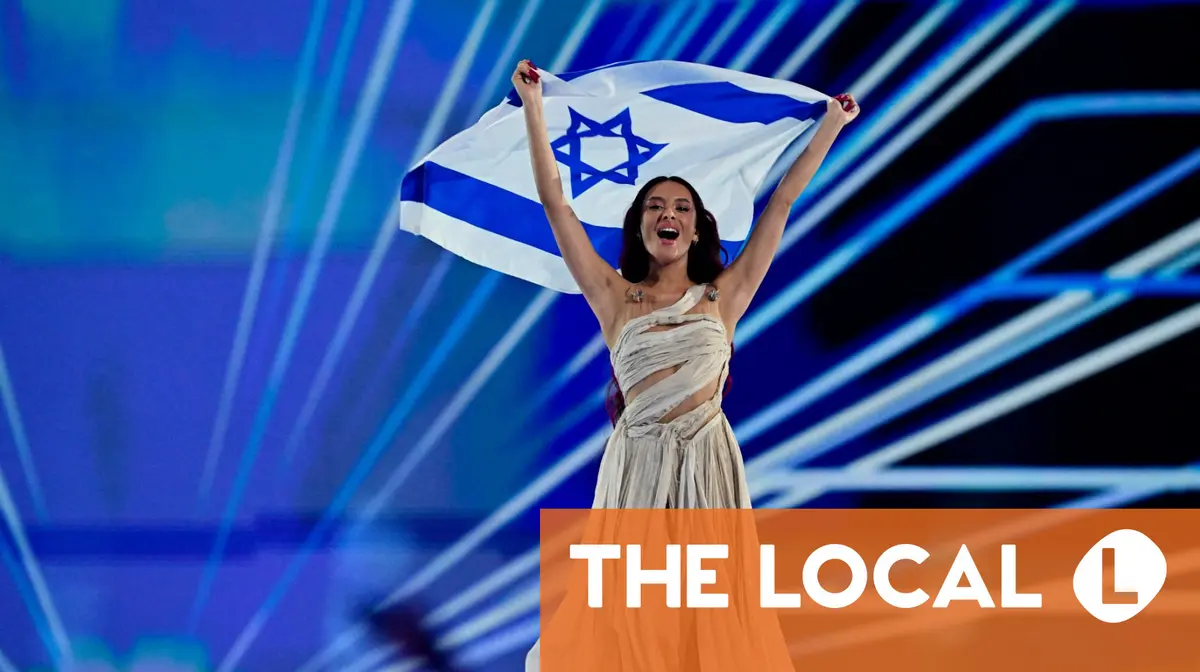
Eurovision Faces Crisis: Spain Leads Boycott Threat Over Israel‘s Participation
The 2026 Eurovision Song Contest is already embroiled in controversy, with Spain taking a firm stance that could reshape the future of the beloved competition. Public broadcaster RTVE has announced it will boycott the event if Israel is permitted to participate, marking the first time a “big five” nation – those providing the most funding – has issued such a direct threat. This decision isn’t happening in a vacuum; it’s the culmination of growing international pressure surrounding Israel’s actions in Gaza and a broader debate about the intersection of politics and entertainment.
The Growing Momentum for a Boycott
Spain isn’t alone in its concerns. Several other european nations are considering withdrawing from the contest if Israel remains a participant. Thes include Ireland, Slovenia, Iceland, and the Netherlands. This escalating tension places the European Broadcasting union (EBU), the contest’s organizer, in a tough position.
The pressure on the EBU is meaningful. It’s facing calls to uphold principles of inclusivity and fairness while navigating complex geopolitical realities.The EBU is scheduled to decide on Israel’s participation at its general assembly in December. RTVE has stated it will follow through on its threat if Israeli public broadcaster KAN is allowed to compete.
Why Spain’s Position Matters
Spain’s decision carries considerable weight. As one of the ”big five” – alongside the UK, France, Germany, and italy – Spain automatically qualifies for the Eurovision final, contributing substantial financial support to the event. A withdrawal from Spain would not only be a symbolic blow but also a significant financial loss for the EBU.
This isn’t a sudden advancement. Spanish Culture Minister Ernest Urtasun publicly advocated for a boycott just days before RTVE’s announcement, citing the devastating military offensive in Gaza. Prime Minister Pedro Sánchez echoed these sentiments back in May, suggesting Israel should be excluded, mirroring the exclusion of Russia following its 2022 invasion of Ukraine. He argued against “double standards in culture,” a sentiment resonating with many across europe.
The broader Context: politics and Eurovision
The debate extends beyond the contest itself. Recent protests, like the disruption of the Vuelta a España cycling race in Madrid over the participation of the Israel-Premier Tech team, demonstrate a growing public desire to hold Israel accountable. These incidents highlight the increasing difficulty of separating sporting and cultural events from political realities.
Eurovision, with its massive global audience – 166 million viewers across 37 countries in 2024 – has always been a platform for cultural exchange. However, it’s increasingly becoming a focal point for political expression. The 2024 contest in Malmo, sweden, and the 2025 edition in Basel, Switzerland, both saw significant pro-Palestinian protests regarding Israel’s participation.
What’s Next for Eurovision?
The EBU acknowledges the gravity of the situation. In July, it initiated a consultation with its members to discuss Israel’s participation, focusing on managing geopolitical tensions and drawing lessons from how other organizations have handled similar challenges.
Hear’s a breakdown of the key points to watch:
* EBU Decision: The December general assembly will be crucial. The EBU must balance its commitment to inclusivity with the growing pressure to address concerns about Israel’s actions.
* Potential Fallout: If Israel is allowed to participate, expect further withdrawals and possibly widespread protests.
* Long-Term Implications: This crisis could fundamentally alter Eurovision’s identity and its role as a politically neutral cultural event.
Understanding the ”Big Five” and EBU Funding
It’s important to understand the structure that gives these nations such influence.The “big five” nations - Britain, France, germany, Italy, and spain – automatically qualify for the Eurovision final due to their significant financial contributions to the EBU. This funding model grants them a privileged position within the organization.
Ultimately, the future of Eurovision hangs in the balance. The EBU’s decision will not only determine Israel’s participation but also shape the contest’s identity and its ability to navigate the increasingly complex intersection of politics and entertainment. You, as a Eurovision fan, will want to stay informed as this situation unfolds.
Related reading