Spain’s Agricultural Power Faces a Looming Crisis: An Aging Workforce and Regulatory Pressures
Spain stands as a major agricultural powerhouse within the European Union, contributing significantly to both employment and economic output. The sector’s importance extends beyond mere statistics, playing a vital role in maintaining population levels and fostering economic activity in rural areas often lacking alternative opportunities. However, this strength is increasingly threatened by a confluence of challenges, including an aging workforce and a growing burden of regulatory requirements. These pressures are raising concerns about the long-term sustainability of Spanish agriculture and its ability to maintain its competitive edge in a global market.
The resilience of Spanish agriculture, which accounts for 11.5% of national employment and 8.6% of the country’s Gross Domestic Product (GDP), is now being tested by what experts describe as a “perfect storm” of difficulties. Beyond the economic contributions, the agricultural sector is crucial for ensuring food security – a concern amplified by the current complex geopolitical landscape. Maintaining this vital role requires addressing the emerging challenges head-on, ensuring the sector can adapt and thrive in a rapidly changing world. The ability to provide for its citizens and maintain a degree of independence from global supply chain disruptions is paramount for Spain, and a robust agricultural sector is central to achieving this.
The Demographic Challenge: An Aging Agricultural Workforce
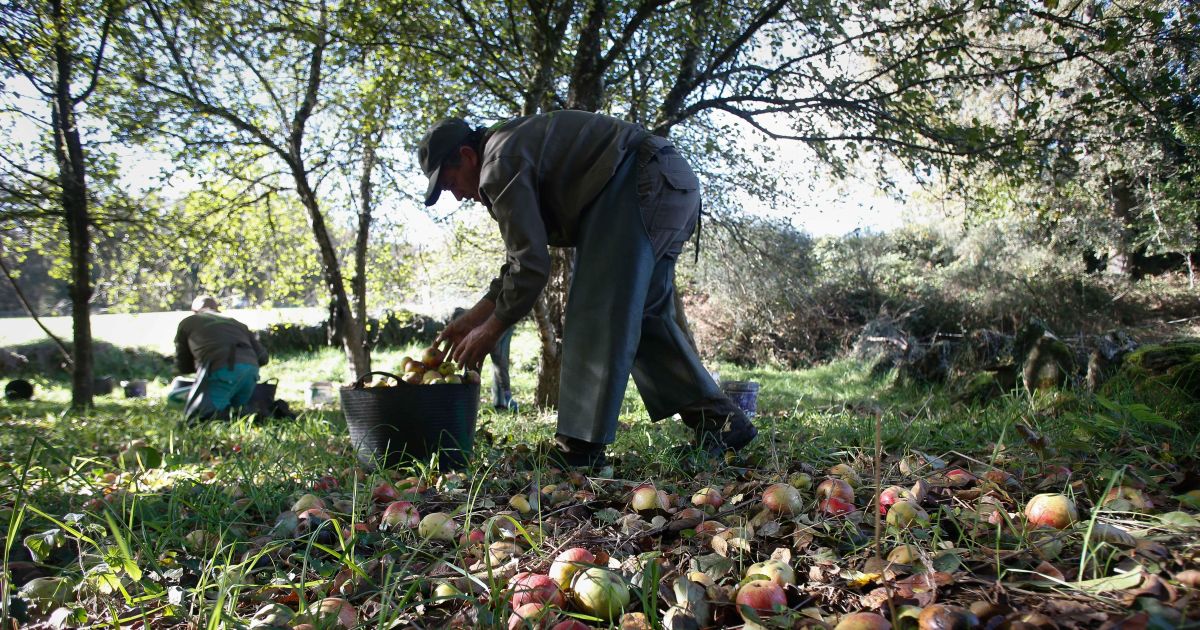
A central concern highlighted by a recent report, Desafíos del Sector Agroalimentario en España (Challenges for the Spanish Agri-Food Sector), published by Instituto MESIAS – Inteligencia de Marca España in collaboration with the Universidad CEU San Pablo, is the aging demographic within the agricultural workforce. The report emphasizes that this demographic shift isn’t merely a production issue; it also hinders the adoption of innovative technologies crucial for future competitiveness. According to the study, 37.6% of those employed in the agricultural sector are over the age of 50, creating an urgent need to attract younger talent to revitalize the industry. This aging trend is not unique to Spain; many developed nations are grappling with similar demographic shifts in their agricultural sectors, but the implications for a nation so reliant on its agricultural output are particularly acute.
The lack of younger workers presents a significant obstacle to modernization. New technologies, such as precision agriculture, automated systems, and data analytics, require a workforce skilled in their operation and maintenance. Without an influx of younger, tech-savvy individuals, Spanish agriculture risks falling behind international competitors who are actively embracing these advancements. This isn’t simply about adopting new tools; it’s about fostering a culture of innovation and continuous improvement within the sector. Attracting younger generations to agriculture requires addressing perceptions of the industry as physically demanding and lacking career progression opportunities.
Regulatory Burden and Innovation Fragmentation
Compounding the demographic challenge is a growing regulatory burden that is stifling innovation and hindering the sector’s ability to adapt. The report points to an increasing complexity of regulations and bureaucratic processes that are adding costs and administrative hurdles for farmers and agricultural businesses. This increased pressure coincides with a fragmentation of innovation efforts, making it difficult to coordinate research and development initiatives and translate them into practical applications on the ground. The European Union’s Common Agricultural Policy (CAP) plays a significant role in shaping the regulatory landscape for Spanish agriculture. The CAP, while aiming to support farmers and ensure food security, is often criticized for its complexity and administrative burden. The European Commission provides detailed information on the CAP, outlining its objectives and implementation.
This fragmentation of innovation is particularly concerning. Instead of a coordinated national strategy, research and development efforts are often scattered across various institutions and regions, leading to duplication of effort and a lack of synergy. Strengthening collaboration between universities, research centers, and private companies is essential to accelerate the development and adoption of new technologies. Streamlining regulatory processes and reducing administrative burdens would free up resources for investment in innovation and allow farmers to focus on improving productivity and sustainability.
Spain’s Position in the Global Market and the Need for Competitiveness
Despite these challenges, Spain remains a significant player in the global agri-food market. The country boasts exports exceeding €75 billion – representing 19.5% of Spain’s total exports – and ranks among the top five global producers of key agricultural commodities, including olive oil, wine, olives, truffles, and almonds. However, maintaining this position requires a proactive approach to address the emerging threats. The report emphasizes that Spain is now competing with markets that operate with lower costs and more aggressive branding strategies, necessitating a coordinated and strategic national response.
The success of Spanish agricultural exports relies heavily on the perception of quality and origin. Strengthening the “Marca España” (Brand Spain) initiative, which promotes the country’s products and reputation internationally, is crucial for maintaining a competitive edge. This involves not only highlighting the quality of Spanish agricultural products but also emphasizing their sustainability and adherence to high environmental standards. Investing in traceability systems and certifications can further enhance consumer confidence and differentiate Spanish products in the global marketplace.
The Path Forward: Collaboration and Investment
The report underscores the need for a collaborative approach involving both the public and private sectors to drive competitiveness and ensure the long-term sustainability of Spanish agriculture. This includes increased investment in research and development, the strengthening of territorial ecosystems, and the promotion of innovation. A key element of this strategy is recognizing that product quality alone is no longer sufficient for success in the international arena.
Marta García Outón, codirector of the MESIAS Chair of Innovation, Technology and Digital Transformation, emphasizes the importance of leveraging scientific and technical capabilities and capitalizing on the value of national origin. José María Cubillo, director of the Instituto MESIAS, adds that reinforcing the country’s brand strategy is essential for improving the perception of quality and differentiation. He argues that a unified national vision is needed to consolidate the reputation and international strategy into a common project, safeguarding the resilience of a sector vital to the Spanish economy.
the future of Spanish agriculture hinges on its ability to adapt to a changing world. Addressing the demographic challenge, streamlining regulations, fostering innovation, and strengthening the country’s brand are all critical steps towards ensuring the sector’s continued success. If Spain can effectively integrate these strategies, it can protect its export leadership and reinforce the resilience of a key pillar of the national economy, preventing global competition from eroding its position.
The Spanish government is currently reviewing the National Strategic Plan for the Common Agricultural Policy (CAP) 2023-2027, which outlines the country’s priorities for agricultural development over the next five years. The Ministry of Agriculture, Fisheries and Food provides details on the plan, including its objectives and funding allocations. This plan represents a crucial opportunity to address the challenges facing the sector and lay the foundation for a more sustainable and competitive future.
Key Takeaways:
- Spain’s agricultural sector is facing a demographic crisis with a rapidly aging workforce.
- Increasing regulatory burdens and fragmented innovation efforts are hindering the sector’s competitiveness.
- Despite these challenges, Spain remains a major global exporter of agricultural products.
- Collaboration between the public and private sectors is essential to drive innovation and ensure sustainability.
- Strengthening the “Marca España” brand is crucial for maintaining a competitive edge in the international market.
The ongoing evolution of the agricultural landscape in Spain demands continued monitoring and adaptation. Stay informed about the latest developments in agricultural policy and innovation by visiting the website of the Spanish Ministry of Agriculture, Fisheries and Food. What steps do you reckon are most crucial for securing the future of Spanish agriculture? Share your thoughts in the comments below.
Related reading