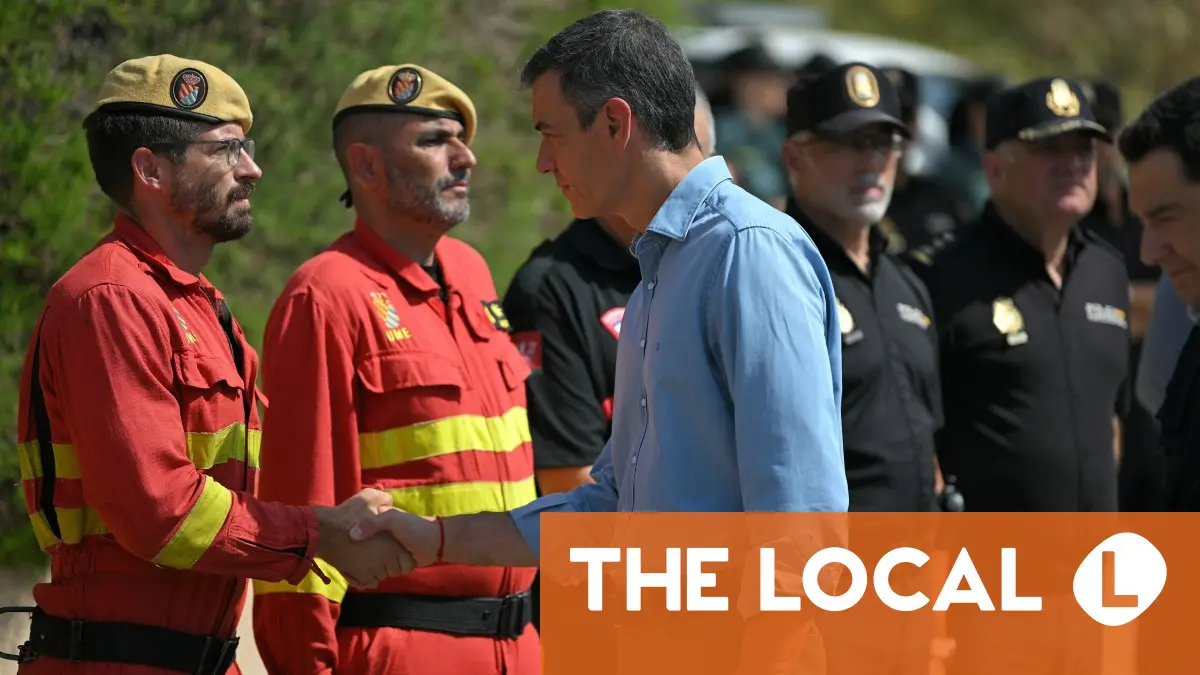
Spanish Prime Minister Pedro Sánchez traveled to the province of Almería on Monday to survey the damage and coordinate recovery efforts following a series of devastating wildfires that have swept through the region. The fires, which have claimed 13 lives and caused extensive environmental destruction, represent one of the most severe wildfire emergencies in recent Spanish history, according to reports from government officials and regional emergency services.
The Prime Minister’s visit focused on assessing the immediate needs of affected communities and overseeing the deployment of state resources to assist with containment and long-term recovery. As Spain faces an increasingly volatile climate, the scale of the destruction in Almería has reignited national discussions regarding fire prevention policies, land management, and the adequacy of emergency response infrastructure in rural, high-risk zones.
Emergency Response and Current Status
The wildfire emergency, which resulted in 13 confirmed fatalities, has prompted a significant mobilization of both regional and national assets. According to the Spanish Ministry of the Interior, the government has integrated military units with forest fire brigades to manage the blaze and secure hazardous areas. The sheer intensity of the fire, fueled by high temperatures and dry vegetation, forced thousands of residents to evacuate their homes, causing significant disruption to local infrastructure and agriculture.
The Ministry for the Ecological Transition and the Demographic Challenge has reported that extreme meteorological conditions—characterized by heatwaves and shifting winds—have hampered traditional containment strategies. Officials noted that the fire’s rapid expansion through the rugged, mountainous terrain of Almería made it one of the most challenging suppression efforts in recent years. While containment lines have been established, authorities remain on high alert for potential flare-ups as weather conditions continue to fluctuate.
Government Support for Affected Communities
During his visit, Prime Minister Sánchez met with regional leaders and first responders to discuss the implementation of a state-funded recovery plan. The government has pledged to provide direct financial assistance to families who lost their homes, as well as support for the agricultural sector, which has suffered heavy losses in livestock and crop production.
The Office of the Prime Minister confirmed that the cabinet is currently drafting a decree to expedite the distribution of emergency funds. This initiative is designed to bypass standard bureaucratic delays, ensuring that local municipalities have the capital necessary to restore essential services such as water, electricity, and road access. For many in the province, this support is viewed as a critical lifeline to prevent total economic collapse in the wake of the disaster.
The Broader Context of Wildfire Risks in Spain
The tragedy in Almería is part of a broader trend of extreme wildfire activity across the Mediterranean basin. Scientific data from the European Forest Fire Information System (EFFIS) indicates that the duration of the fire season in southern Europe has extended significantly over the past two decades. This shift is largely attributed to prolonged drought periods and record-breaking summer temperatures, which create ideal conditions for rapid fire ignition and spread.
Environmental experts have pointed to the importance of “preventative silviculture,” a practice involving the clearing of brush and management of forest density, as a primary defense against catastrophic fires. However, implementing these measures across Spain’s vast and rugged landscape remains a complex logistical and financial challenge. The government is now under pressure to update its national fire prevention strategy, with many calling for increased investment in early-warning satellite technology and more robust training for civil protection teams.
Looking Ahead to Recovery and Oversight
The next phase of the recovery process involves a comprehensive assessment of the environmental damage, as well as an investigation into the specific ignition points of the fires. Judicial authorities have opened inquiries into the causes of the blaze, though officials have cautioned that the process will be lengthy and complex due to the scale of the affected area.
The State Meteorological Agency (AEMET) is expected to release a detailed report on the climatic variables that contributed to the fire’s intensity, which will likely serve as a basis for future policy revisions. For the residents of Almería, the focus remains on stabilization and the long road to reconstruction. Further updates from the government are expected following the next session of the Council of Ministers, where the allocation of specific recovery budgets will be finalized.
We will continue to provide updates on this developing story as more information becomes available. If you have any insights or local perspectives on the ongoing recovery efforts, please feel free to share them in the comments section below.
Worth a look