
The district of Spandau in Berlin is modernizing how it communicates critical safety information to its residents. In a move to bridge the gap between traditional government alerts and the digital habits of the modern citizen, the Spandau district office (Bezirksamt Spandau) has launched a dedicated WhatsApp channel focused on civil protection (Bevölkerungsschutz).
This initiative represents a strategic pivot toward “meeting citizens where they are,” leveraging one of the world’s most ubiquitous messaging platforms to disseminate timely, official information regarding public safety, disaster preparedness and emergency management. By integrating civil protection updates into a mobile-first ecosystem, the district aims to increase the speed and reach of its communications, ensuring that vital safety warnings are not buried in email inboxes or missed on official websites.
The adoption of this technology follows a broader trend within German local governance to digitize public services and emergency notifications. As urban centers face evolving threats—ranging from extreme weather events to large-scale infrastructure failures—the ability to push real-time, verified information directly to a smartphone is becoming a cornerstone of urban resilience. For the residents of Spandau, this means a more direct line of communication with the authorities responsible for their safety.
A Digital Shift in Public Safety Communication
For decades, civil protection agencies have relied on a combination of sirens, radio broadcasts, and official gazettes to warn the public. While these systems remain essential for immediate, life-threatening emergencies, they often lack the nuance and frequency required for general civil protection education and non-critical updates. The Spandau civil protection WhatsApp channel is designed to fill this gap, providing a steady stream of information that keeps the population informed and prepared.
The primary goal of the channel is to provide regular updates on topics related to civil protection. This includes guidance on how to prepare for emergencies, information on local safety drills, and alerts regarding potential hazards that may not reach the threshold of a city-wide siren but still require resident awareness. By diversifying its communication channels, the Spandau district office is creating a redundant system of information delivery, ensuring that if one medium fails or is overlooked, others are available.
This shift is particularly relevant given the demographic diversity of Berlin. While older populations may still rely on traditional media, younger residents are significantly more likely to engage with information delivered via instant messaging. By establishing an official presence on WhatsApp, the Bezirksamt Spandau is effectively expanding its reach to a segment of the population that might otherwise ignore official government portals.
How the Spandau Civil Protection Channel Operates
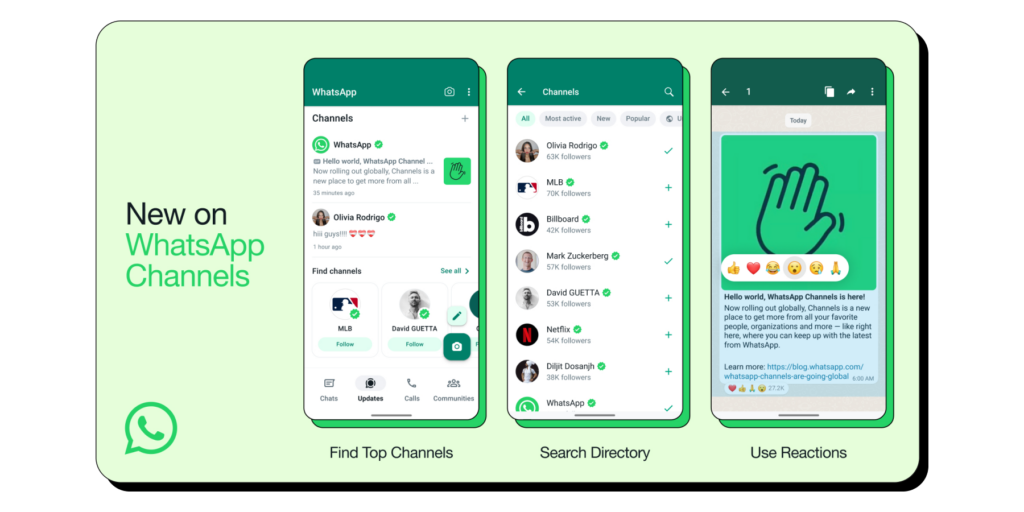
Unlike traditional WhatsApp groups, which allow multi-way communication and expose the phone numbers of participants to one another, the Spandau initiative utilizes the “Channels” feature. Here’s a critical technical distinction that addresses both administrative efficiency and user privacy.
WhatsApp Channels are one-way broadcast tools. This means that only the administrators—in this case, the civil protection officials of the Spandau district office—can send messages. Residents who follow the channel receive updates as they are posted, but they cannot reply directly to the broadcast or see the identities and phone numbers of other followers. This architecture prevents the channel from devolving into a chat forum and ensures that the official voice of the government remains the sole source of information.
From a technical standpoint, this broadcast model is ideal for government use for several reasons:
- Privacy Preservation: Followers’ phone numbers are not visible to the administrator or other followers, reducing the risk of data leaks or harassment.
- Information Integrity: Because users cannot post in the channel, there is no risk of misinformation or “noise” drowning out critical safety instructions.
- Scalability: Channels can support an unlimited number of followers, making them far more scalable than traditional WhatsApp groups, which have strict member limits.
- Low Friction: Residents do not need to provide their personal contact details to the government to receive updates; they simply “follow” the public channel.
The Strategic Importance of Digital Resilience
The move by the Spandau district office is part of a larger conversation regarding digital resilience in Germany. The federal and state governments have previously emphasized the need for a “modular warning system” (Modulares Warnsystem – MoWaS), which integrates various channels including apps like NINA and KATWARN. However, the adoption of commercial platforms like WhatsApp recognizes a fundamental truth of human behavior: people are more likely to check an app they use daily than a specialized emergency app they only download once.

By integrating official alerts into a daily-use app, Spandau is reducing the “activation energy” required for a citizen to stay informed. This is especially vital during the early stages of a crisis, where the first few minutes of accurate information can significantly impact the outcome of emergency responses. When a resident receives a notification in their primary messaging app, the likelihood of immediate engagement is substantially higher.
the use of a WhatsApp channel allows the district to share rich media. Rather than relying on text-only alerts, officials can send infographics on evacuation routes, short videos demonstrating safety procedures, or PDF guides on home emergency kits. This multimodal approach to communication helps ensure that the information is accessible to people with different learning styles and language proficiencies.
Privacy and Security in Government Messaging
The decision to use a platform owned by Meta (the parent company of WhatsApp) is not without its complexities. Germany has some of the strictest data protection laws in the world, governed by the General Data Protection Regulation (GDPR). The use of WhatsApp Channels helps the Bezirksamt Spandau navigate these regulations because the “Channel” feature is designed to be more privacy-centric than “Groups.”
Because the communication is one-way and the identities of the followers are shielded, the district office is not collecting a database of phone numbers in the way a traditional SMS alert system would. This minimizes the government’s data footprint and reduces the liability associated with storing sensitive personal information. However, users are still subject to WhatsApp’s own privacy policy, a factor that the district office generally leaves to the individual user’s discretion when choosing to follow the channel.

Security experts often point out that while commercial platforms offer reach, they also introduce a dependency on third-party infrastructure. If WhatsApp were to experience a global outage, the district’s primary digital communication line would be severed. This is why the Spandau WhatsApp channel is positioned as a supplement to, rather than a replacement for, official government websites and the established MoWaS alert systems. The goal is a diversified communication strategy where no single point of failure can leave the population uninformed.
Comparing Spandau’s Approach to Global Trends
Spandau is not alone in this approach. Governments worldwide are increasingly experimenting with “GovTech” solutions to improve citizen engagement. In various parts of the world, municipal governments have used Telegram, Signal, or custom-built apps to provide everything from trash collection schedules to severe weather warnings. The common thread is a shift away from the “push” model (where citizens must seek out information) to a “pull” or “broadcast” model (where information finds the citizen).
The effectiveness of these channels often depends on the quality and frequency of the content. To avoid “notification fatigue,” where users mute or unfollow a channel due to excessive or irrelevant posts, the Spandau civil protection office must balance the need for regularity with the need for relevance. The most successful government channels are those that provide high-value, actionable information without overwhelming the user.
Key Benefits of the Spandau WhatsApp Channel
| Feature | Traditional Sirens/Radio | Official Website | WhatsApp Channel |
|---|---|---|---|
| Speed of Delivery | Instant (Local) | Unhurried (Requires Visit) | Near-Instant (Push) |
| Detail Level | Very Low | Very High | Medium to High |
| Privacy | High (Anonymous) | High (Anonymous) | High (Shielded) |
| User Effort | Zero | High | Low (One-time follow) |
| Interactivity | None | Limited | One-way Broadcast |
Practical Guidance for Residents
For residents of Spandau and those interested in the district’s safety updates, accessing the channel is a straightforward process. Typically, these channels can be found via a direct link provided on the official Berlin.de Spandau district page or by searching for official government channels within the WhatsApp “Updates” tab.

Once joined, users are encouraged to enable notifications for the channel to ensure they receive alerts in real-time. Because the channel is a broadcast tool, users do not need to worry about their phone number being shared with other residents of the district, making it a safe option for those who are cautious about their digital footprint.
Beyond the WhatsApp channel, the district office recommends that citizens maintain a comprehensive approach to emergency preparedness. This includes:
- Downloading the NINA App: The federal emergency information and news app (Notfall-Informations- und Nachrichten-App) provides high-level alerts for the entire country.
- Monitoring Local News: Continuing to follow reputable local news outlets for detailed reporting during crises.
- Creating a Home Emergency Plan: Using the tips provided in the WhatsApp channel to build a family safety plan and emergency supply kit.
Looking Forward: The Future of Urban Alerts
The launch of the WhatsApp channel in Spandau is likely a precursor to more integrated digital safety ecosystems. As artificial intelligence and automated alerting systems evolve, we may see these channels become even more personalized, providing alerts based on a user’s specific neighborhood or vulnerability (such as alerts specifically for those with mobility issues during an evacuation).
The ultimate success of this initiative will be measured by its ability to save lives and reduce panic during a real-world emergency. By establishing trust and a reliable habit of communication during “peace time,” the Bezirksamt Spandau is ensuring that when a crisis does occur, the lines of communication are already open, tested, and trusted.
The next confirmed step for the district’s digital outreach involves the continued integration of these social channels with the broader Berlin state emergency framework. Official updates regarding the expansion of these services or the addition of new platforms are typically posted on the district’s official administrative portals.
Do you think government agencies should use commercial messaging apps for emergency alerts, or should they stick to dedicated, state-run apps? Share your thoughts in the comments below.