
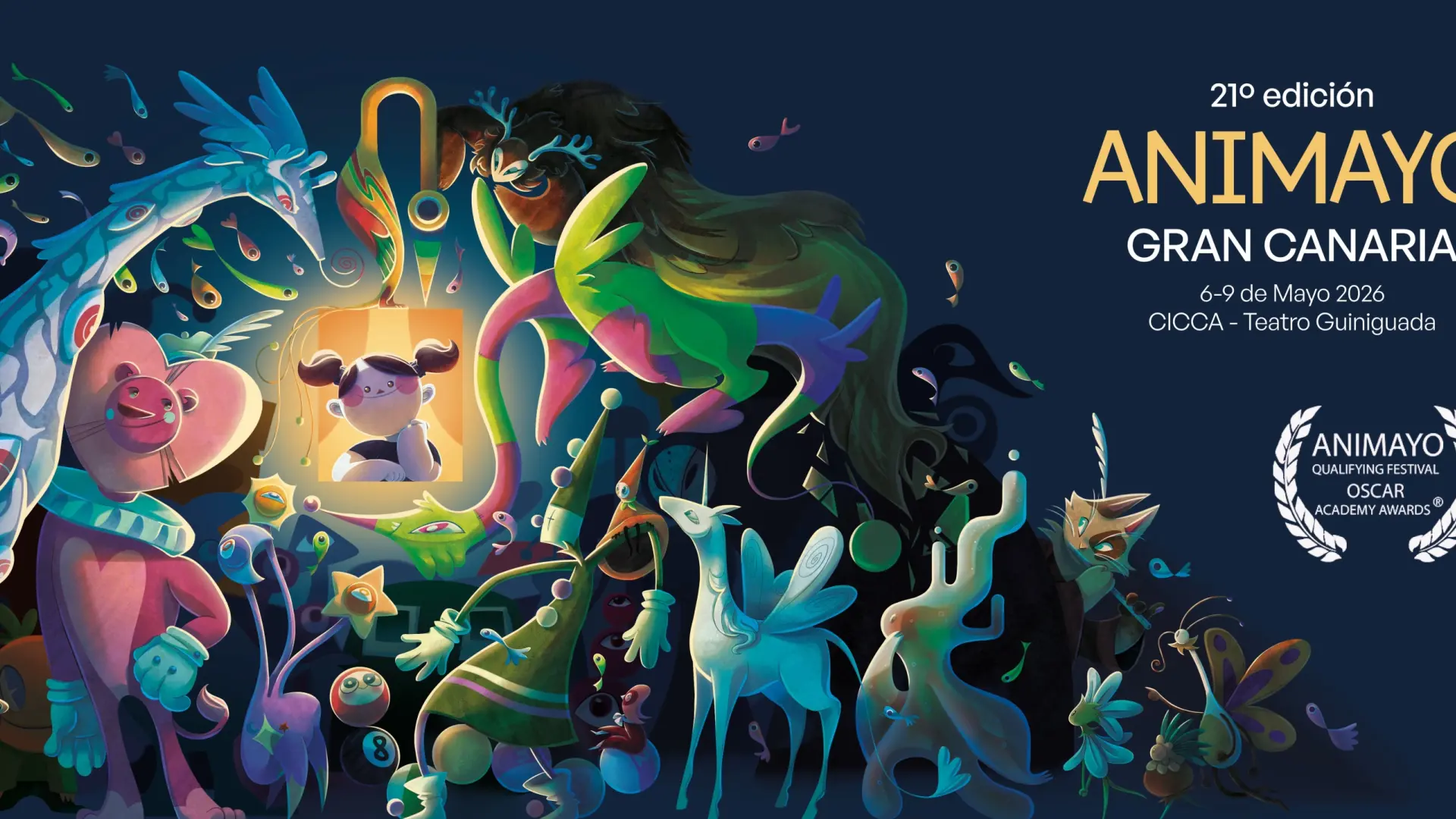
The intersection of artistic vision and technical precision is where the magic of modern cinema is born. For the 21st edition of Animayo Gran Canaria, this synergy takes center stage once again as the festival prepares to serve as a vital bridge between emerging Spanish talent and the international animation and visual effects (VFX) industry.
As an editor who has spent over 15 years covering the evolution of storytelling in Los Angeles and beyond, I have witnessed firsthand how the boundaries between the physical and the digital have blurred. Festivals like Animayo Gran Canaria are more than just celebrations of art; they are strategic nexus points where the next generation of creators meets the global infrastructure of the audiovisual sector.
This year’s event emphasizes the critical role of animation and visual effects in transforming conceptual ideas into immersive realities. By uniting local artists with international professionals, the festival facilitates the exchange of knowledge and the opening of professional doors in a highly competitive global market.
Bridging Spanish Talent and the Global Industry
The core mission of the 21st edition of Animayo Gran Canaria is to act as a conduit for Spanish creators. In an era where animation and VFX are no longer confined to massive-budget blockbusters but are integrated into advertising, documentaries and corporate content, the need for a professional link to the international sector is paramount.

By positioning itself as a nexus, the festival allows Spanish artists to align their skills with international standards, ensuring that the local talent pool remains competitive in a field that demands constant adaptation to new software and techniques. This connection is essential for moving beyond local production and entering the global pipeline of high-end entertainment.
Demystifying the Magic: What are Visual Effects (VFX)?
To understand the significance of the industries represented at Animayo Gran Canaria, We see essential to define what constitutes visual effects. Often used interchangeably with “special effects,” VFX specifically refers to digital techniques applied during the post-production phase of a project. These techniques are used to create or modify images that would be impossible, dangerous, or too expensive to capture during a live shoot.
VFX allow creators to build entirely new worlds—from futuristic cities to mythical creatures like dragons—without ever leaving the studio. According to Lbox Academy, these digital tools are the “secret ingredient” that transforms films, series, and video games into immersive experiences.
The process of creating VFX is a multidisciplinary effort. It involves a combination of graphic design, 3D modeling, and animation. Even as these elements are primarily handled in post-production, there is a growing trend where VFX references are generated during the actual filming process to give the crew a better understanding of the final shot’s composition. This integration of design and filming is a key component of modern cinematic workflows, as detailed by UC3M.
The Critical Divide: VFX vs. Special Effects (SFX)
One of the most common misconceptions in the entertainment industry is the confusion between Visual Effects (VFX) and Special Effects (SFX). For the professionals gathering at Animayo Gran Canaria, this distinction is fundamental to their craft.
Special Effects (SFX) are physical actions performed on set during the production phase. These are tangible elements that the cast and crew can interact with in real-time. Examples of SFX include:
- Controlled explosions and pyrotechnics
- Simulated rain, snow, or floods
- Physical animatronics and prosthetic makeup
- Practical gunshots and mechanical rigs
In contrast, Visual Effects (VFX) are added after the cameras have stopped rolling. While SFX manipulate reality on the set, VFX manipulate the image digitally. As noted by Lbox Academy, while SFX are about the “real” elements that can be touched, VFX are about the digital possibilities that expand the imagination beyond the physical constraints of a set.
The Expanding Reach of Digital Artistry
The demand for VFX artists has surged not only in cinema but across a wide array of digital media. The ability to create impactful, original imagery is now a requirement for brands seeking to stand out in a saturated market. This has led to the integration of VFX in several key areas:
- Advertising: Creating surreal product demonstrations or impossible environments to capture consumer attention.
- Documentaries: Using digital reconstructions to visualize historical events or scientific phenomena that cannot be filmed.
- Corporate Content: Elevating professional presentations with high-end motion graphics and 3D visualizations.
- Video Games: Developing the complex environments and character animations that drive interactive storytelling.
The tools used in these processes are diverse and essential for any artist looking to enter the industry. From sophisticated modeling software to advanced compositing tools, the mastery of these technologies is what allows a creator to move from a conceptual sketch to a photorealistic final render, as explored by The Core School.
Why This Connection Matters for the Future
The 21st edition of Animayo Gran Canaria arrives at a time when the global animation and VFX industry is undergoing rapid transformation. The ability for Spanish talent to connect with international leaders ensures that the local industry does not operate in a vacuum. By understanding the nuances between SFX and VFX and mastering the digital tools of post-production, artists can transition from being local practitioners to global contributors.
For the aspiring animator or digital artist, the festival represents an opportunity to see how their work fits into the larger machine of international production. Whether it is through learning the latest in 3D modeling or understanding the pipeline of a major studio, the goal remains the same: to make the impossible possible through a blend of creativity and technology.
As the festival continues to foster these relationships, the impact will likely be seen in the increasing presence of Spanish artists in major international credits, further cementing the region’s reputation as a hub for audiovisual innovation.
Stay tuned for further updates on the official schedule and featured guests for the 21st edition of Animayo Gran Canaria. We encourage you to share your thoughts on the evolution of VFX in the comments below.