Spain’s Generic Drug Industry: A Cornerstone of Access and Employment
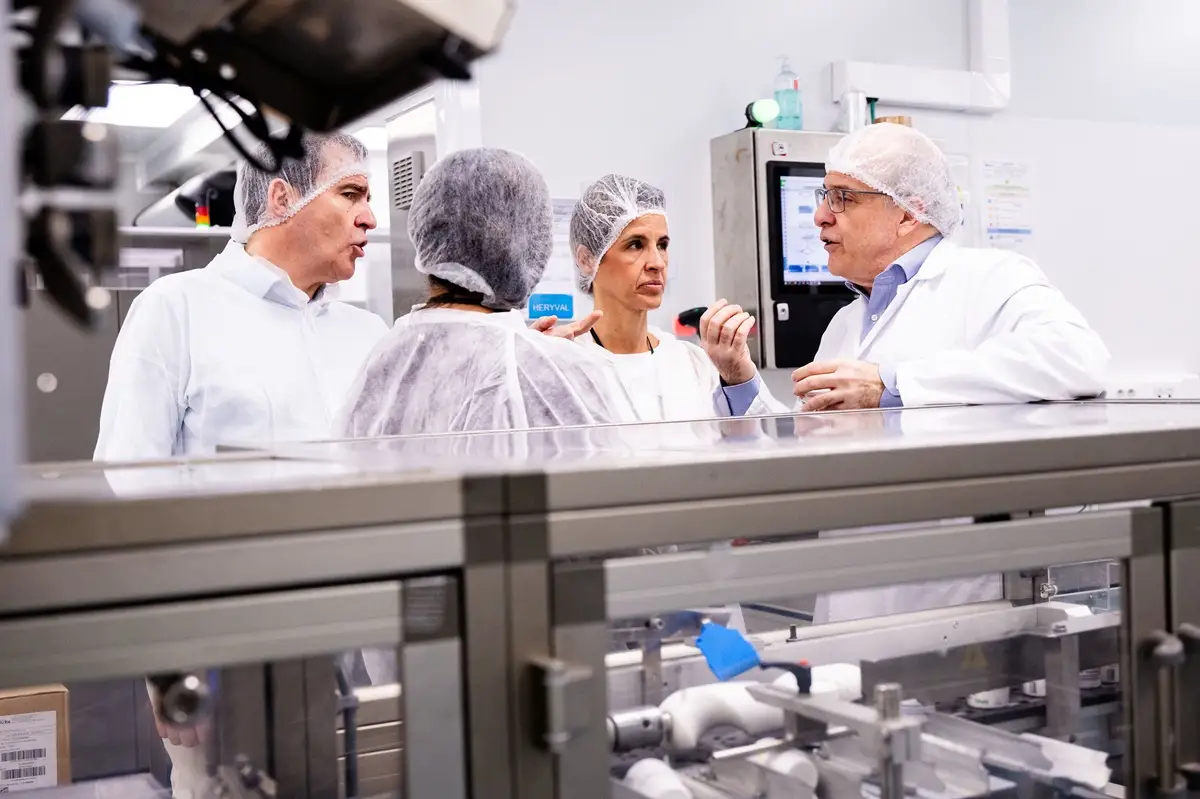
Madrid – A significant majority – seven out of ten – of the generic medications consumed in Spain are manufactured domestically, solidifying the country’s position as a key pharmaceutical production hub in Europe. This robust national manufacturing base, comprised of 27 plants according to data from the Spanish Agency of Medicines and Medical Devices (AEMPS) Labofar database, is crucial for ensuring consistent access to essential treatments and bolstering the nation’s healthcare security. The strength of this sector was recently highlighted by a visit from Elena Casaus, Secretary General of the Spanish Association of Generic Medicines (AESEG), to a Teva manufacturing and logistics facility in Zaragoza.
The domestic production of generic pharmaceuticals not only enhances treatment accessibility but also contributes significantly to Spain’s economy, providing skilled employment and driving industrial activity. Currently, the industry supports over 40,000 direct and indirect jobs and continues to invest in advanced production processes, technology, and research and development. This commitment to innovation and local manufacturing is particularly important as Europe increasingly focuses on strengthening the availability of critical medicines.
The Role of Generics in Ensuring Pharmaceutical Security
The increasing emphasis on securing the supply of essential medicines across Europe underscores the importance of a strong domestic generic pharmaceutical industry. Generics play a vital role in providing cost-effective therapeutic alternatives and contributing to the overall resilience of healthcare systems. According to the European Medicines Agency (EMA), a substantial 90% of the medications on the agency’s list of critical medicines are, in fact, generic drugs. The EMA maintains this list to proactively address potential supply shortages of essential medicines.
During her visit to the Teva facility, Elena Casaus emphasized the multifaceted benefits of Spain’s generic drug manufacturing sector, stating that it represents “a healthcare, social, and industrial contribution.” She further noted that these medications “allow us to treat more patients, generate qualified employment, and contribute to the healthcare system having a continuous supply of essential treatments.” The geographically diverse presence of the industry, spanning six autonomous communities, also promotes a more equitable distribution of economic activity throughout the country.
Teva’s Zaragoza Facility: A Model of Production Capacity
The Teva plant in Zaragoza serves as a prime example of the productive capacity within Spain’s pharmaceutical landscape. The facility manufactures over 8.3 billion doses of medication annually and packages more than 220 million units for distribution to pharmacies and international markets. Teva Pharmaceutical Industries is a global pharmaceutical company headquartered in Israel, with a significant manufacturing presence in Spain.
Employing over 600 people, the Zaragoza facility also operates a sophisticated logistics network, processing approximately 1,000 orders each day. Visits to manufacturing sites like this are a regular part of AESEG’s institutional activities, allowing the association to stay informed about the capabilities of its member companies. AESEG, representing 90% of the sector by value, actively advocates for a competitive environment that recognizes the generic pharmaceutical industry as a vital component of the Spanish National Health System.
Navigating the Regulatory Landscape: Labofar and AEMPS
The Spanish Agency of Medicines and Medical Devices (AEMPS) plays a central role in regulating and overseeing the pharmaceutical industry within Spain. The AEMPS’s Labofar platform, an electronic headquarters, serves as a key interface between the agency and pharmaceutical companies, distribution warehouses, and other relevant entities. Labofar facilitates various procedures, including authorizations for new pharmaceutical laboratories, modifications to existing authorizations, and notifications related to the export and import of medications. Access to certain procedures within Labofar requires a digital certificate.
According to the AEMPS website, procedures available through Labofar include authorization for new pharmaceutical laboratories (both manufacturers and importers), modifications to existing laboratory authorizations, exceptional authorization for third-party manufacturing, individual inspections related to Good Manufacturing Practice (GMP) and Good Distribution Practice (GDP), notifications of registered medicine exports, and authorizations for the manufacture of medicines approved in other countries but not yet registered in Spain. The platform also handles requests for Certificates of Pharmaceutical Product with World Health Organization (WHO) format for unregistered medicines and authorizations for the export of controlled substances.
Recent Regulatory Updates and Fee Structures
Recent changes to the fee structure for procedures managed through Labofar came into effect on June 28, 2023, following the implementation of Law 38/2022. This law established temporary energy taxes and taxes on financial institutions, as well as a temporary solidarity tax on large fortunes, and modified certain tax regulations. The Labofar platform now directly manages the payment of these fees following the submission of the corresponding application.
The Future of Generic Pharmaceutical Manufacturing in Spain
Spain’s commitment to fostering a strong domestic generic pharmaceutical industry is poised to play an increasingly important role in ensuring access to affordable medicines, strengthening healthcare security, and driving economic growth. The industry’s continued investment in innovation, coupled with the regulatory oversight provided by the AEMPS and the advocacy efforts of AESEG, will be crucial for navigating the evolving pharmaceutical landscape and meeting the future healthcare needs of the population. The focus on critical medicines and the ongoing efforts to streamline regulatory processes will further solidify Spain’s position as a leading manufacturer of generic pharmaceuticals in Europe.
As Europe continues to prioritize the resilience of its pharmaceutical supply chains, Spain’s established manufacturing base and skilled workforce are well-positioned to contribute to a more secure and sustainable healthcare future. The ongoing dialogue between industry stakeholders, regulatory bodies, and policymakers will be essential for addressing emerging challenges and capitalizing on new opportunities in the dynamic world of pharmaceutical manufacturing.
Key Takeaways:
- Seven out of ten generic medicines consumed in Spain are manufactured domestically.
- The Spanish generic pharmaceutical industry supports over 40,000 jobs.
- The AEMPS’s Labofar platform is central to regulating and overseeing the industry.
- Europe is increasingly focused on strengthening the availability of critical medicines, where generics play a key role.
The Spanish pharmaceutical sector continues to evolve, and staying informed about regulatory updates and industry developments is crucial. For more information on the AEMPS and Labofar, please visit their official websites. We encourage readers to share their thoughts and experiences with the Spanish healthcare system in the comments below.