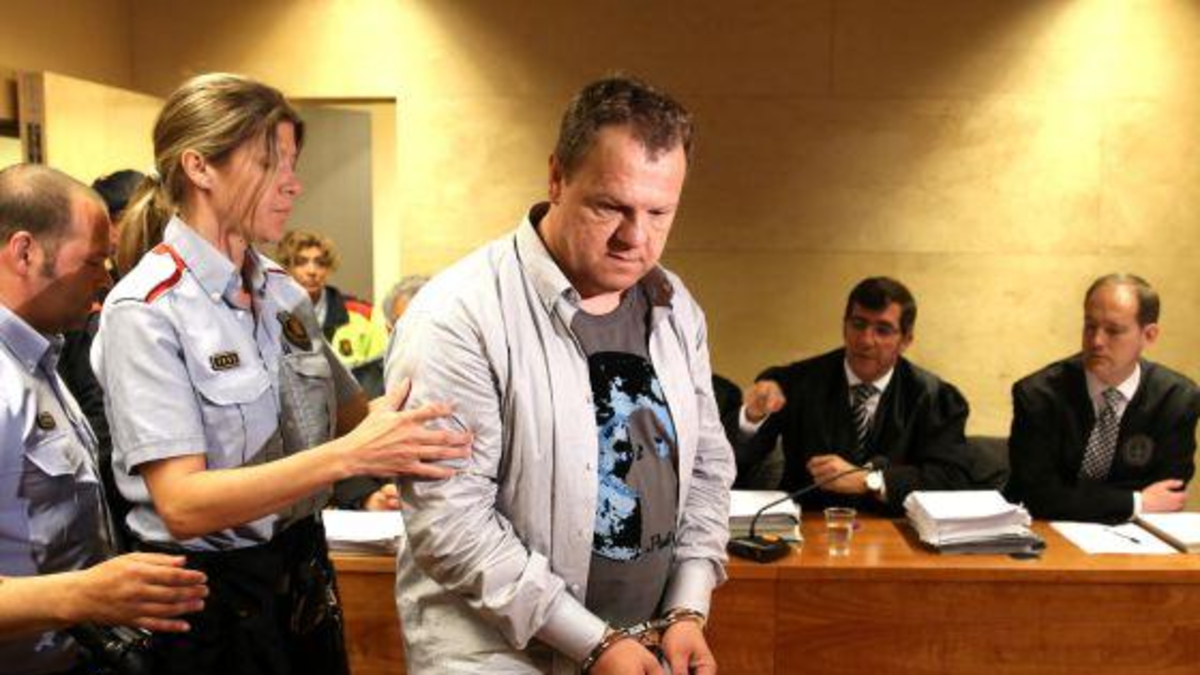
Joan Vila Dilmé, the convicted Spanish serial killer known as “The Caretaker of Olot,” has begun a gender transition while serving a sentence for the murder of 11 elderly patients. In a development that has drawn significant attention to the Spanish penitentiary system, the inmate has been transferred to the women’s module of the Puig de diseases Basses Penitentiary Center in Figueres after initiating a transition process.
The transition includes the administration of hormone treatment and a change of identity. While different reports vary on the chosen name—some citing “Aura” and others “Aida”—the move to the female department marks a significant shift in the daily management of the prisoner. Legal experts and prosecutors have clarified that this personal transition will have no bearing on the criminal penalty or the prisoner’s current legal status.
Vila Dilmé is currently serving a sentence of 127 years and six months imposed by the Supreme Court of Spain in 2014. The transition process is being managed through public health services, with plans for future surgical interventions that will require temporary transfers from the prison to a hospital facility.
The Crimes of the “Angel of Death”
Between August 2009 and October 2010, Vila Dilmé worked as a nursing assistant and caretaker at the Fundació La Caritat in Olot. During this period, he was responsible for the deaths of at least 11 patients aged between 80 and 96. The victims were elderly residents in a setting where death is often viewed as a natural occurrence, a factor that allowed Vila Dilmé to operate undetected for over a year.
Investigations revealed a cold and systematic pattern of execution. Vila Dilmé utilized chemical substances to end the lives of the patients through a silent method that left no visible signs of violence. This method made the deaths appear to be part of the natural course of aging until the frequency of fatalities began to trigger alarms among staff and health officials.
The brutality of the crimes lay not in physical violence, but in the betrayal of trust. As a caretaker, Vila Dilmé had direct access to the most fragile residents and full knowledge of their medical conditions, which he exploited to commit the murders.
Legal Implications and Prison Logistics
The transfer to the women’s module at Puig de les Basses is a logistical necessity to ensure coexistence and the prisoner’s safety during the transition. However, the Spanish justice system has remained firm regarding the punishment. Legal representatives, including prosecutors Jaume Dalmau and Jordi Coma, have stated that the gender transition is a personal matter that does not modify the fulfillment of the sentence nor alter the court’s original valuation of the convict.
Crucially, the transition does not grant the prisoner any new penitentiary benefits. It has been confirmed that the transition cannot be used to claim early release or a change in prison grade; in fact, Vila Dilmé had previously been denied access to the “third degree” regime and associated permits prior to this development.
Key Case Details
Psychological Background and Early Life
Following the arrest and subsequent trial, details emerged regarding Vila Dilmé’s early life that provide context to the current transition. Born in 1965 in Castellfollit de la Roca, Catalonia, Vila Dilmé was raised in a working-class family of embutido makers . He was described as an asocial and insecure individual throughout his youth, struggling with anxiety related to his appearance and sexuality.

After his apprehension, Vila Dilmé admitted to feeling like “a woman trapped inside a man’s body” during his childhood and youth . He noted that his homosexuality and these internal conflicts influenced his habits and social interactions. Before entering the healthcare field, Vila Dilmé had a volatile professional history, including a failed hairdressing salon in Figueres and various short-term roles in the textile, plastics, and skiing industries.
The move to the women’s module reflects the prison’s necessitate to adapt to the prisoner’s new status to maintain order and provide the necessary medical care for the transition, including post-operative recovery for the planned gender-affirming surgery.
The next scheduled milestones for the case involve the coordination of the prisoner’s transfer to a public hospital for the completion of the surgical transition process. There are currently no pending appeals or hearings that would alter the 127.5-year sentence.
World Today Journal encourages readers to share their perspectives on the intersection of human rights and criminal justice in the comments below.
Keep reading