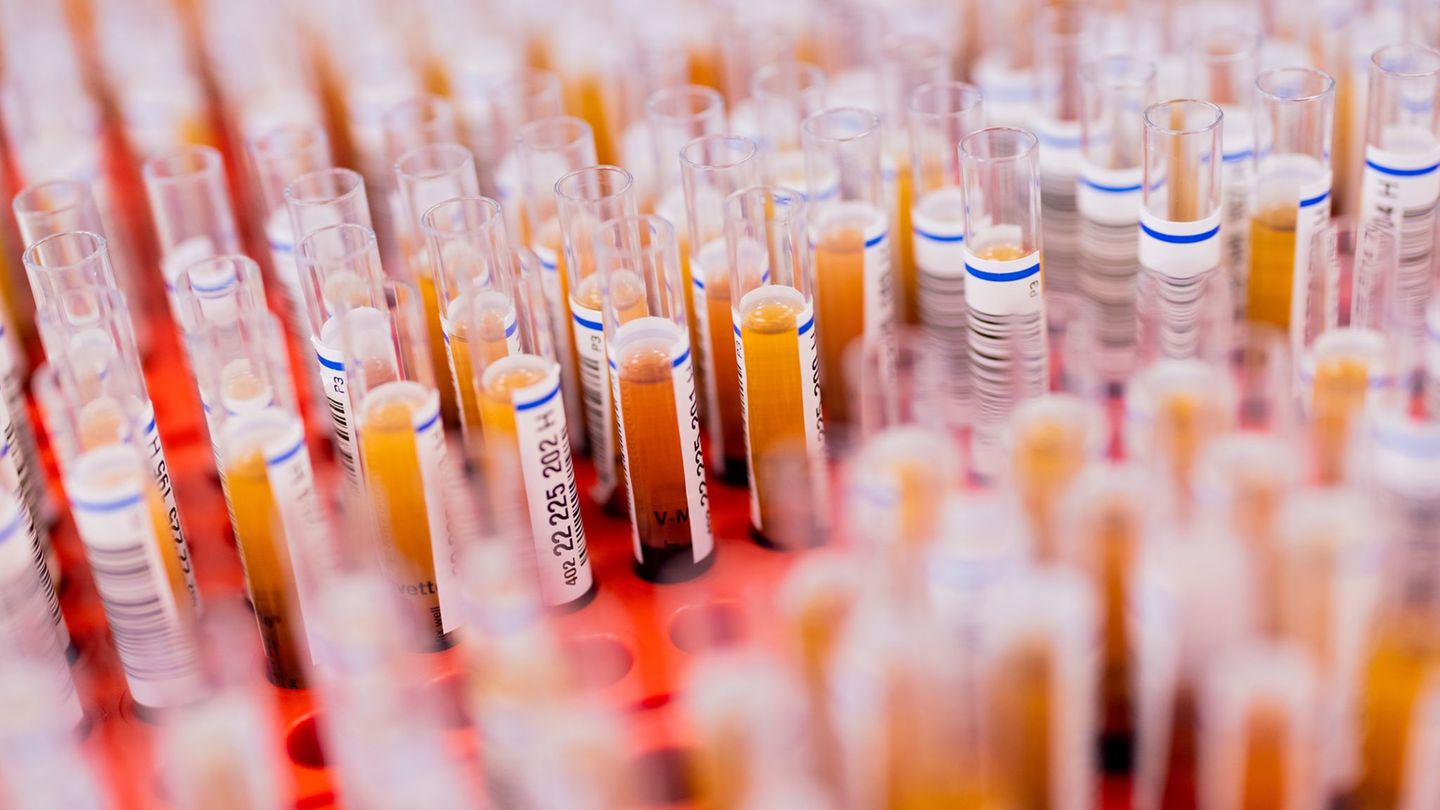
A routine transport of medical diagnostic specimens took an unexpected and concerning turn on the A20 motorway in Germany, triggering a large-scale emergency response. The incident, which involved a courier vehicle overturning, serves as a stark reminder of the complex safety protocols required when transporting biological substances—materials that, while essential for patient care, pose unique hazards when containment is breached.
For those of us in the medical field, the rapid mobilization of specialized emergency services in such scenarios is not merely a precaution but a standard regulatory requirement under the European Agreement concerning the International Carriage of Dangerous Goods by Road (ADR). When a vehicle carrying human biological samples—such as blood or stool—is involved in a high-impact crash, the primary concern for first responders is the prevention of environmental contamination and the protection of public health.
Understanding the Risks of Biological Specimen Transport
The transport of clinical samples is a highly regulated industry. Medical couriers are tasked with maintaining the integrity of samples while ensuring that in the event of an accident, the biological material remains isolated from the environment. According to World Health Organization (WHO) guidelines on the safe transport of infectious substances, these materials are categorized based on their potential to cause disease. Even routine diagnostic samples are treated with strict adherence to triple-packaging systems designed to withstand pressure changes and physical impact.
When a vehicle overturns, as occurred on the A20, the physical damage to the shipping containers can compromise these safety layers. In this specific incident, the damage to the containers necessitated the arrival of specialized hazardous materials units (often referred to in Germany as Gefahrgutzug). These units are specifically trained to handle spills involving biological hazards, ensuring that the scene is decontaminated before the highway is reopened to the public.
What Happens When Containment is Compromised?
When authorities are alerted to a crash involving medical samples, the response protocol is immediate and multi-faceted. First, the area is cordoned off to prevent accidental exposure to bystanders or emergency personnel. Second, specialized teams assess whether the samples are classified as “Category B” infectious substances—a common classification for diagnostic specimens—which requires specific biohazard mitigation procedures.
The primary concern for public health officials in these situations is the potential for bio-aerosolization or direct contact with contaminated surfaces. While the risk of a widespread public health crisis from a single courier accident is statistically low due to these rigorous containment standards, the psychological impact and the disruption to traffic flow on major arteries like the A20 are significant. The deployment of specialized gear, including personal protective equipment (PPE), is a mandatory step to ensure that cleanup crews do not themselves become vectors for transmission.
Logistical Challenges and Medical Continuity
Beyond the immediate emergency response, these accidents highlight the fragility of the medical supply chain. Diagnostic laboratories rely on a consistent flow of samples to provide timely results for hospital patients and clinics. When a shipment is compromised, it not only creates an environmental hazard but also delays critical medical diagnoses. Patients waiting for blood work or pathology results may face extended wait times, which can complicate clinical decision-making.
The incident on the A20 underscores the importance of the German Federal Ministry for Digital and Transport (BMDV) regulations regarding the training of drivers who handle dangerous goods. Drivers must undergo specific certifications to understand the nature of the bio-samples they carry and the correct emergency actions to take if an accident occurs. This training is essential for mitigating the severity of incidents like the one reported.
Key Takeaways for Public Safety
- Containment Protocols: Biological samples are transported in reinforced, multi-layered packaging designed to survive significant kinetic impact.
- Specialized Response: Emergency services deploy specialized hazardous materials units to manage biological spills, ensuring the safety of the general public and responders.
- Regulatory Oversight: All medical courier operations must comply with international and national safety laws (ADR) to minimize risks during transport.
- Continuity Planning: Healthcare providers often maintain redundancy plans for lost or damaged samples to ensure that patient care remains uninterrupted.
Looking Ahead: Ensuring Safer Transport
As the volume of medical testing continues to grow globally, the frequency of these transport missions is likely to increase. The incident on the A20 serves as a vital case study for logistics companies and health authorities to review their current safety measures. Improvements in tracking technology, real-time monitoring of vehicle stability, and advanced packaging materials are all areas where innovation can further reduce the risk of accidents involving biological materials.

For the public, the sight of emergency vehicles and specialized hazardous materials teams on the highway can be alarming. However, It’s important to recognize that these responses are evidence of a highly organized system designed to protect the community. As investigations into this specific crash proceed, authorities will likely focus on the structural integrity of the containers involved to ensure that future transports remain secure, even in the event of an unavoidable collision.
We will continue to monitor official reports from the local traffic authorities and health departments regarding the final assessment of the cleanup operation. For those interested in the broader implications of medical logistics, the Robert Koch Institute (RKI) provides ongoing guidance on the handling and transport of human biological materials in Germany.
Have you encountered or been affected by disruptions in medical logistics, or do you have insights into the evolving safety standards for biological transport? Share your thoughts in the comments below or join the conversation on our social channels.