
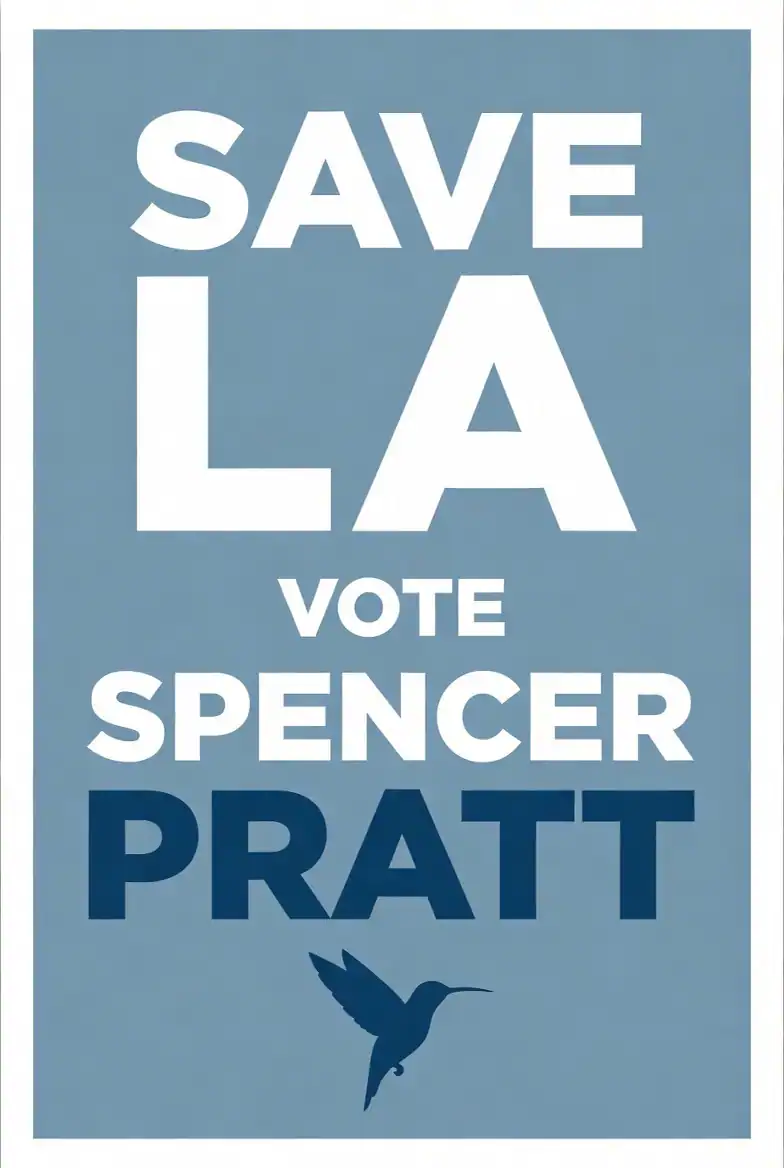
Former reality television personality Spencer Pratt has conceded his bid for a seat on the Los Angeles City Council following a decisive defeat in the recent municipal election. The campaign, which saw Pratt finish well behind frontrunners in his district, concluded with a video statement released by the candidate in which he described his transition to a “next, more interesting phase” of his career, according to reports from CBS News.
Spencer Pratt, best known for his appearances on the reality series The Hills, garnered a small fraction of the total vote in a crowded field. Official tallies from the Los Angeles County Registrar-Recorder/County Clerk confirm that incumbent council members and established local figures dominated the district-by-district results, leaving political newcomers like Pratt with little path to victory. While the candidate’s wife, Heidi Montag, has been a frequent subject of media speculation regarding the campaign’s aftermath, the focus remains on the broader implications of celebrity-led bids within the Los Angeles political landscape.
The Election Results and Voter Distribution
The Los Angeles municipal elections highlighted a clear preference among voters for established policy platforms over high-profile celebrity branding. Analysis of the district-by-district breakdown published by the Los Angeles Times shows that candidates such as Karen Bass and Nithya Raman maintained strongholds in their respective districts, effectively sidelining challengers who lacked traditional municipal experience. Pratt’s campaign failed to gain traction in key precincts, with voting data indicating that his platform did not resonate with the demographic shifts seen in the 2024 cycle.

For many observers, the election served as a referendum on the influence of reality television figures in local governance. Political analysts have pointed to the stark contrast between the disciplined, grassroots-driven campaigns of successful incumbents and the unconventional, media-heavy approach adopted by Pratt. The defeat underscores a recurring trend in urban politics: while name recognition can generate initial media coverage, it rarely translates into the coalition-building necessary to secure a seat on the Los Angeles City Council.
Concession and Rhetoric
In his concession video, Pratt adopted an aggressive tone, targeting local political structures and those he labeled as “commie animals,” a sentiment that drew widespread attention across social media platforms, as reported by KTLA. The video marked a departure from the traditional, conciliatory language typically associated with election concession speeches. By framing his loss through a lens of personal grievance rather than policy critique, Pratt positioned his departure from the race as a rejection of the system itself.
This rhetorical style has fueled ongoing debates regarding the role of inflammatory language in modern political discourse. Critics argue that such tactics diminish the dignity of the electoral process, while supporters of the candidate often view such outbursts as authentic expressions of frustration with municipal bureaucratic hurdles. Regardless of the intent, the concession video solidified the end of a campaign that struggled to gain legitimacy within the professional political sphere.
What Happens Next for Municipal Politics
With the election results certified, the Los Angeles City Council is now shifting its focus toward legislative priorities for the upcoming term. The focus will remain on pressing urban issues, including housing affordability, homelessness, and infrastructure development, as outlined in official records provided by the Office of the Los Angeles City Clerk. These institutional bodies continue to manage the day-to-day operations of the city, largely insulated from the temporary media attention generated by celebrity candidates.
For those tracking the impact of this election, the next significant milestone will be the swearing-in ceremonies for the newly elected and re-elected council members. Public records and official transcripts of these proceedings are made available through the city’s legislative portal, providing citizens with a transparent look at the transition of power. As the city moves forward, the primary takeaway for political strategists remains the resilience of traditional campaigning in the face of unconventional media-driven bids.
Readers are encouraged to share their thoughts on the evolution of local political campaigning in the comments section below. For ongoing updates regarding Los Angeles municipal governance, visit the official City Clerk website for the latest filings and public meeting agendas.
Keep reading