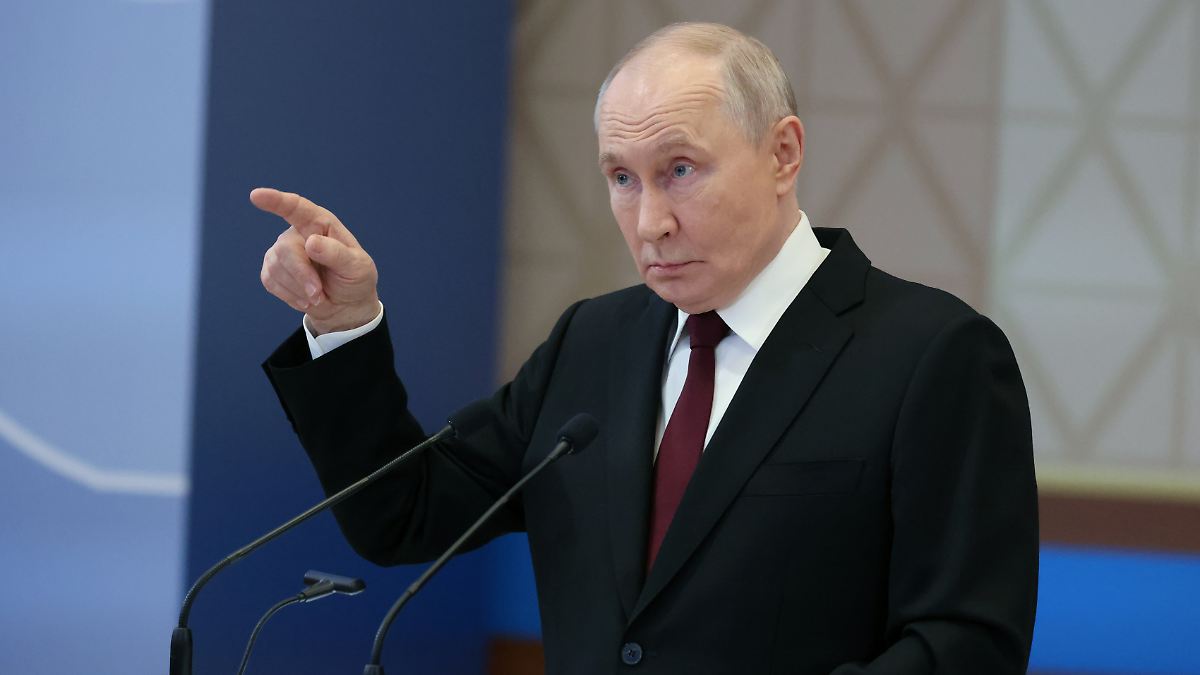
The Russian government is increasingly utilizing state-led property seizures and coerced asset transfers to stabilize the federal budget amid rising military expenditures. Recent legal actions and administrative directives have targeted the holdings of prominent business leaders, forcing a restructuring of domestic industrial and agricultural empires as the Kremlin seeks to maximize domestic revenue streams to fund the ongoing war in Ukraine. According to reports from the Reuters news agency, state prosecutors have initiated a wave of lawsuits aimed at reclaiming private assets under the pretext of correcting privatization irregularities from the 1990s.
For those tracking the intersection of Russian economic policy and geopolitical risk, this shift represents a departure from the informal “social contract” established in the early 2000s, which previously granted oligarchs autonomy in exchange for political loyalty. The current trend suggests that the state’s fiscal requirements—driven by an estimated record-high defense budget of approximately $142 billion for 2025—have superseded previous protections for private property rights.
Legal Mechanisms of Asset Reversion
The Russian Prosecutor General’s Office has utilized a specific legal strategy to facilitate these transfers: the filing of civil lawsuits to invalidate original privatization contracts. By arguing that past transactions were legally flawed or conducted without proper state oversight, the government effectively nullifies the current ownership status of private corporations. Data tracked by the Financial Times indicates that dozens of strategic enterprises, ranging from chemical plants to port facilities, have been transitioned back to state control since the escalation of the conflict in 2022.

These actions are not limited to minor firms. Major industrial players have faced sudden litigation, leading to the freezing of assets and the forced replacement of corporate management. Analysts note that these seizures often occur without the involvement of traditional bankruptcy proceedings, instead relying on high-court rulings that favor the state’s interpretation of historical administrative errors. This process, often described as “de-privatization,” serves as a direct, non-tax revenue mechanism for the Russian Treasury.
The Impact on the Russian Business Elite
The stability of the domestic business landscape has been significantly altered by these policies. While some figures remain in the Kremlin’s favor, the broader class of wealthy Russians faces increased scrutiny regarding their capital flight and foreign investments. The loss of control over core assets has led to a degradation of long-term investment strategies among major conglomerates, as companies pivot toward state-mandated production quotas rather than market-driven expansion.
Furthermore, the legal climate has created a chilling effect on capital reinvestment. According to research from the Carnegie Endowment for International Peace, the state’s growing footprint in the economy—now estimated to account for over 70% of the country’s GDP—is fundamentally changing how business is conducted in Russia. Private owners are increasingly treated as temporary custodians of state assets, subject to removal if their holdings are deemed necessary for national security or fiscal stability.
International Legal Challenges and Sovereign Debt
The state’s aggressive approach to asset management has triggered significant international legal pushback. Most notably, the long-standing legal battle involving former shareholders of the defunct oil giant Yukos continues to create complications for Moscow. A Dutch court recently rejected a Russian appeal, keeping alive a massive $50 billion claim related to the 2003 expropriation of the company, as detailed by the Reuters reporting on the Supreme Court of the Netherlands proceedings.
This case, which has spanned two decades, underscores the difficulty the Russian state faces in shielding its international assets from seizure by creditors. As the Kremlin attempts to seize domestic assets to bolster its war chest, it remains vulnerable to these international legal judgments, which allow plaintiffs to seek the attachment of Russian state property located in foreign jurisdictions. The inability to fully resolve these legacy claims continues to limit the state’s ability to operate freely in international financial markets.
What Happens Next
The next major checkpoint for these developments involves upcoming hearings in various international arbitration courts regarding the recognition of asset seizure claims. Domestically, the Russian government is expected to release its updated budget projections for the next fiscal cycle, which will likely provide further insight into the reliance on revenue generated from nationalized enterprises. Observers suggest that as long as the war in Ukraine continues, the trend of state-led asset consolidation will likely persist as a core pillar of the government’s fiscal strategy.

Readers interested in following these developments closely should monitor official filings from the Russian Arbitrazh Court system, which publishes the dockets for the majority of these privatization-related lawsuits. We invite our readers to share their analysis or insights on these shifting economic trends in the comments section below.
Worth a look