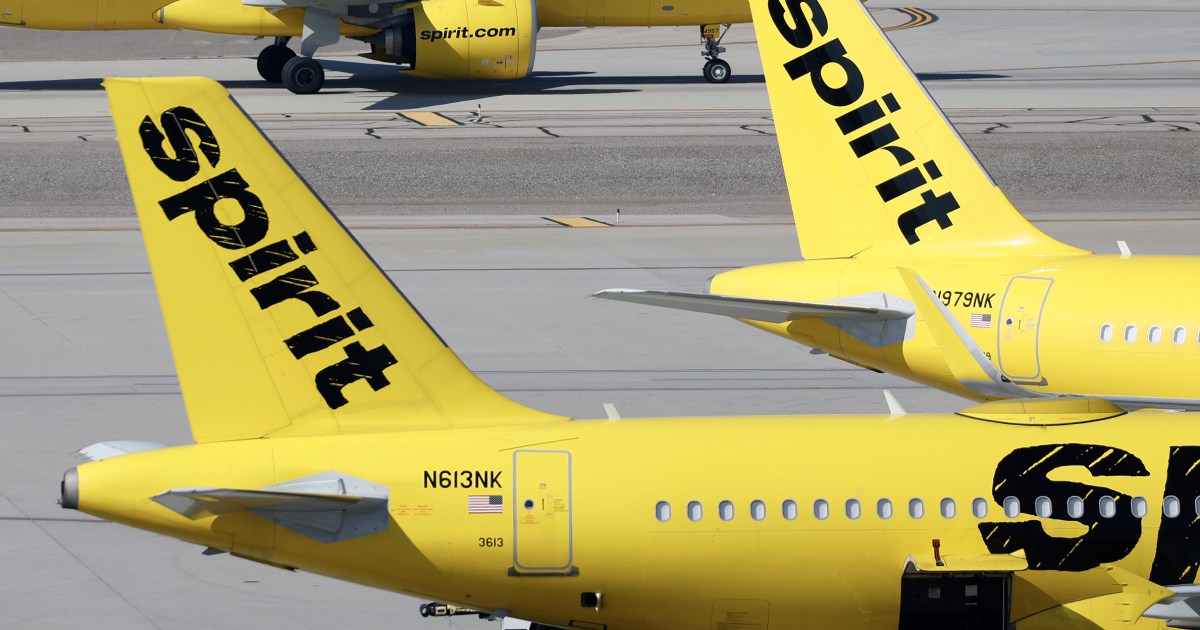
The American aviation landscape faces a seismic shift as Spirit Airlines prepares to cease operations and liquidate its holdings. After a series of failed negotiations for a federal bailout and a catastrophic surge in operating costs, the budget carrier is reportedly preparing to shut down as early as 3 a.m. ET Saturday, May 2, 2026, according to reports from CNBC and Bloomberg.
The collapse of Spirit Airlines marks a critical blow to the low-cost carrier model in the United States, leaving thousands of employees facing immediate job loss and countless travelers stranded with unusable tickets. The airline, which has struggled through two bankruptcy filings since 2024, reached a breaking point as it became unable to sustain the soaring cost of jet fuel driven by the ongoing conflict involving Iran.
The Catalyst: Geopolitical Conflict and Fuel Volatility
The primary driver behind the airline’s sudden collapse is the volatility of the global energy market. The war between the U.S., Israel, and Iran has led to severe disruptions in oil supplies, particularly near the Strait of Hormuz. According to reporting from NPR, jet fuel prices effectively doubled, creating an unsustainable financial burden for a carrier that operates on razor-thin margins.
Spirit’s financial distress was evident months before the final shutdown. In a February monthly report filed on April 16, 2026, the airline disclosed an operating loss of $28.2 million and a net loss of $133.2 million for that month alone. Analysts from J.P. Morgan warned that Spirit’s margins could plunge to approximately negative 20% if fuel prices remained elevated, a projection that appears to have materialized.
Failed Rescue Efforts and the ‘Final Proposal’
The Trump administration attempted to broker a rescue deal to prevent the carrier’s total collapse. Discussions centered on a government-backed lifeline, with reports indicating the administration weighed a deal in which the government would lend Spirit $500 million to stabilize its cash flow. However, these negotiations stalled as lenders questioned the airline’s restructuring projections and the lack of “high-fuel stress tests” in their financial planning.
On May 1, 2026, President Donald Trump stated that the White House had delivered a final proposal
to save the airline, but emphasized that the government would only proceed if the deal was favorable for the United States. Despite these efforts, sources familiar with the matter told Bloomberg Law that talks ended without an agreement, leaving liquidation as the only remaining path.
Impact on Employees and Global Travelers
The liquidation of Spirit Airlines impacts approximately 17,000 employees, ranging from flight crews and ground staff to corporate personnel. Because the company is moving toward liquidation rather than a standard restructuring, the prospect of job preservation is minimal.
For travelers, the shutdown creates immediate chaos. Passengers with upcoming bookings face the loss of their flights and the challenge of recovering funds from a company in liquidation. In bankruptcy proceedings of this nature, ticket holders often turn into unsecured creditors, meaning they may only receive a small fraction of their refund, or nothing at all, depending on the court’s priority of payments.
Key Takeaways of the Spirit Airlines Collapse
- Immediate Timeline: Operations were expected to cease around 3 a.m. ET on Saturday, May 2, 2026.
- Financial Cause: A doubling of jet fuel prices caused by the Iran war rendered the low-cost model unsustainable.
- Failed Bailout: A proposed $500 million federal loan failed to materialize after negotiations hit an impasse.
- Human Cost: Roughly 17,000 employees are impacted by the cessation of operations.
- Industry Shift: The collapse signals a precarious moment for “ultra-low-cost carriers” (ULCCs) facing geopolitical instability.
What Happens Next?
As the airline moves into the liquidation phase, a court-appointed trustee will likely oversee the sale of Spirit’s remaining assets, including its fleet of aircraft and airport slots. This process is designed to maximize the recovery of funds for the company’s creditors.
Travelers are advised to contact their credit card companies to initiate chargebacks for any unflown segments of their trips, as this is often the fastest way to recover funds when an airline enters liquidation. Official updates regarding the liquidation process will be filed in the Latest York federal court where the bankruptcy proceedings were held.
The next confirmed checkpoint is the filing of the final cessation of operations notice and the subsequent appointment of a liquidation trustee by the bankruptcy court.
We invite our readers to share their experiences or questions regarding the Spirit Airlines shutdown in the comments below. Please share this report to help other travelers stay informed.
Worth a look