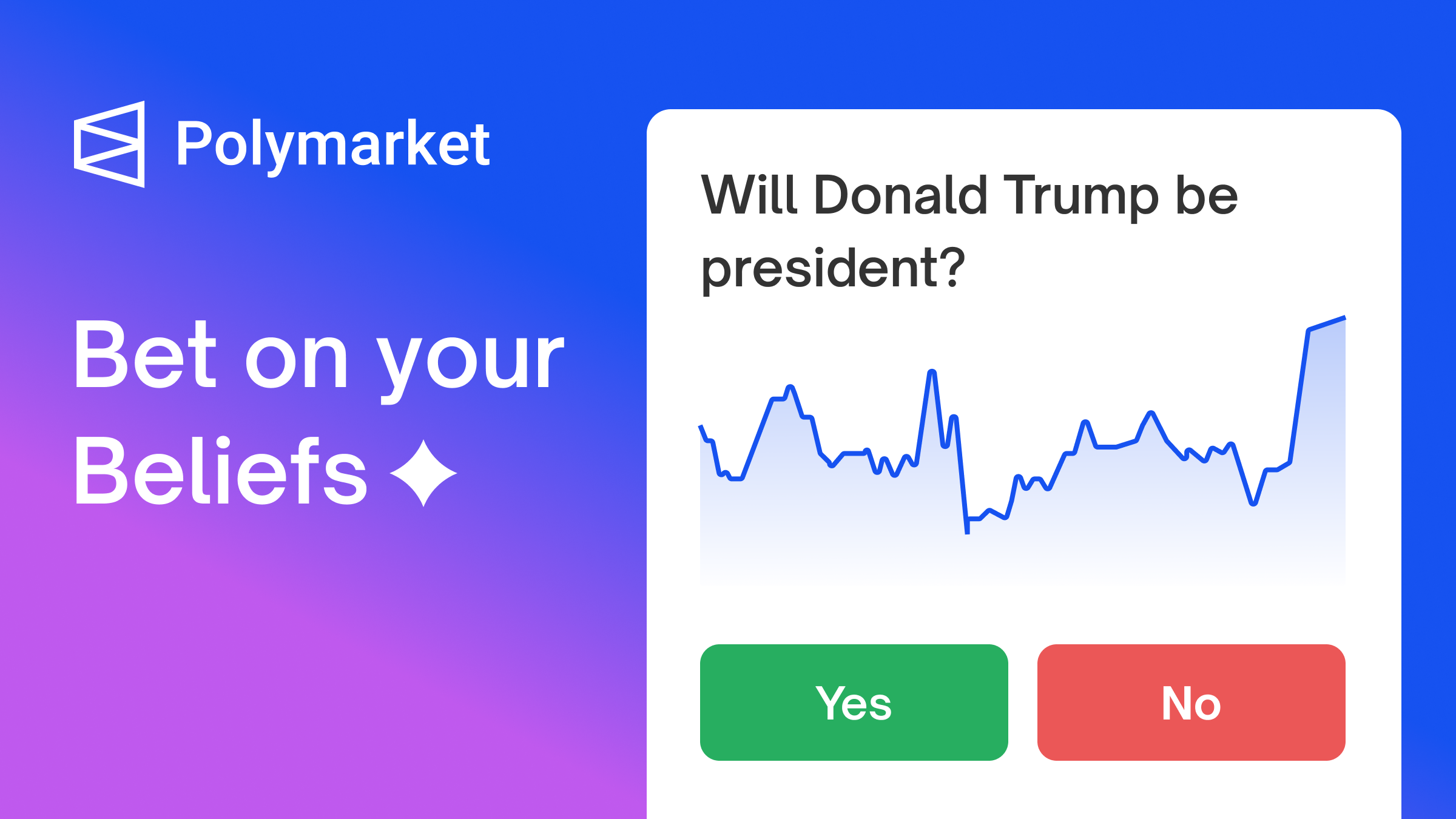
As the 2026 sports calendar takes shape, prediction markets like Polymarket are seeing increased interest in complex wagering structures, specifically multi-leg sports combos and parlays. These market instruments allow participants to trade on the outcomes of multiple events—such as Major League Baseball games—by bundling individual predictions into a single, higher-odds contract. While these platforms operate on blockchain-based decentralized finance (DeFi) protocols, they function as speculative markets where the price of a contract reflects the collective probability assigned by traders to a series of specific outcomes occurring.
For sports enthusiasts and market participants, the appeal of these “combos” lies in the potential for higher returns compared to single-event outcomes, though this is balanced by the significantly lower statistical probability of all legs in a multi-pick sequence being successful. According to data provided by the Polymarket platform, these markets are currently being utilized to track granular event details, such as whether a run is scored in the first inning of professional baseball games, or the cumulative results of multiple cross-league matchups.
How Sports Combos Function on Prediction Markets
Prediction markets differ from traditional sportsbooks by utilizing an automated market maker (AMM) model. In a standard sportsbook, the house sets the odds and limits the exposure. On Polymarket, the price of a “Yes” or “No” share is determined by the supply and demand of traders, fluctuating between $0.00 and $1.00. When a user creates or participates in a “combo” or “parlay” style market, they are essentially buying a contract that only pays out if every individual condition within that bundle is met.

For example, if a market requires a first-inning run in a game between the Philadelphia Phillies and the Detroit Tigers, combined with specific outcomes in a Cleveland Guardians versus Miami Marlins series, the contract price will remain low until the proximity of the events or the perceived likelihood of the outcomes shifts. The mathematical complexity increases with each leg added, often resulting in high-multiplier potential—sometimes exceeding 20x the initial investment—which reflects the high risk of failure for any single component of the trade.
Market Mechanics and Risk Assessment
The primary risk for participants in these markets is the “all-or-nothing” nature of the contract. Unlike traditional betting where a user might hedge positions across different platforms, prediction market combos are binary; if one leg of a four-pick combo fails, the entire contract value drops to zero at the time of resolution. The Commodity Futures Trading Commission (CFTC) has historically monitored the development of event contracts in the United States, emphasizing that these platforms exist in a distinct regulatory category compared to state-licensed sports betting operations.

Traders often use these platforms to express a view on a cluster of events that are correlated, or conversely, to create “mixed” diamonds—a term used in the community to describe diverse, unrelated event selections. Because the platform relies on UMA (Universal Market Access) or similar decentralized oracle networks to verify real-world outcomes, the integrity of the market depends on the accuracy of the data feed reporting the official scores from the governing sports bodies, such as Major League Baseball (MLB).
Regulatory and Operational Oversight
It is important for users to distinguish between regulated sports wagering and decentralized prediction markets. In most jurisdictions, sportsbooks are strictly regulated by state gaming commissions which require transparency regarding house edges, payout reserves, and consumer protection protocols. Polymarket and similar platforms operate as prediction markets, which are governed by the Securities and Exchange Commission (SEC) or CFTC guidelines depending on the nature of the contract. As of 2026, the regulatory environment remains fluid, with ongoing discussions regarding the classification of such speculative instruments.

Participants should verify the specific rules of any contract before entering a position. This includes checking the “resolution source”—the official entity or website that the market will use to determine the outcome. If a game is postponed or cancelled, the market rules will dictate whether the contract is voided or resolved based on the existing data, a process that is typically outlined in the “Market Rules” tab on the platform’s interface.
Future Outlook for Decentralized Sports Trading
The evolution of sports-based prediction markets is closely tied to the broader adoption of blockchain technology. As more users seek alternatives to centralized betting platforms, the volume in these “combo” markets is expected to grow. However, this growth also brings challenges related to liquidity and the speed of resolution. During peak sports seasons, high volume can lead to slippage, where the price of a contract changes significantly between the time an order is placed and when it is executed.

The next major checkpoint for these markets will be the MLB postseason and the release of updated regulatory guidance regarding decentralized event contracts. As the technology matures, platforms are likely to introduce more sophisticated tools to help users track their portfolio performance across multiple open markets. Readers interested in the latest developments are encouraged to monitor official announcements from the platform’s governance forums and regulatory filings for updates on market availability and compliance standards.
For those currently engaged in these markets, reviewing the specific terms of each contract remains the most effective way to manage risk. We invite our readers to share their experiences with decentralized prediction markets in the comments section below, as we continue to track how these financial technologies intersect with global sports culture.